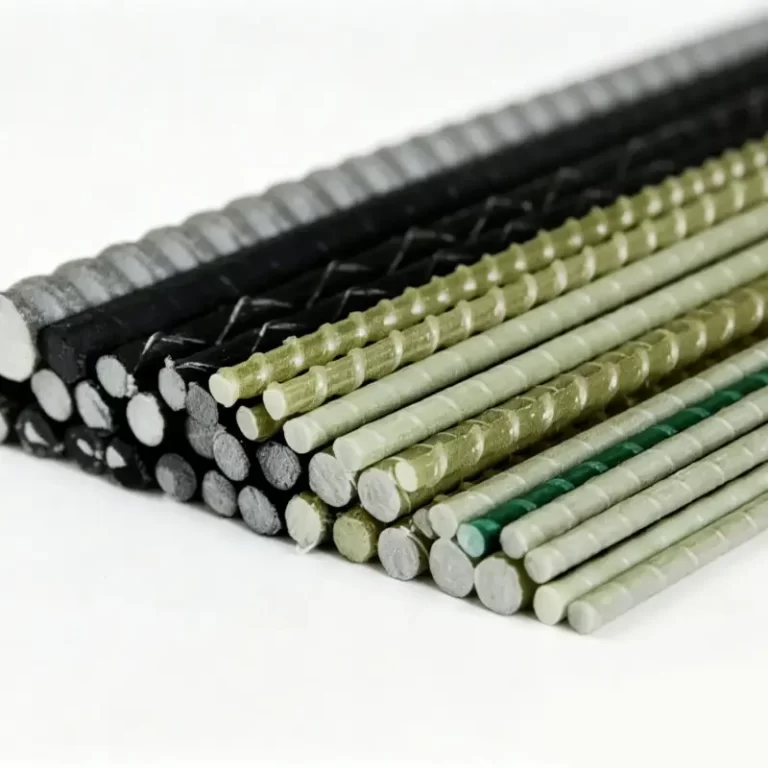

Oil and gas sites need tough materials with low daily upkeep to fight corrosion, harsh weather and long work pressure. FRP composites work well for onshore and offshore facilities, while steel and metal break down fast in these tough working zones. FRP keeps steady performance and cuts long-term repair work, and this piece shares key FRP uses and benefits for oil and gas.
Key Infrastructure Applications of FRP
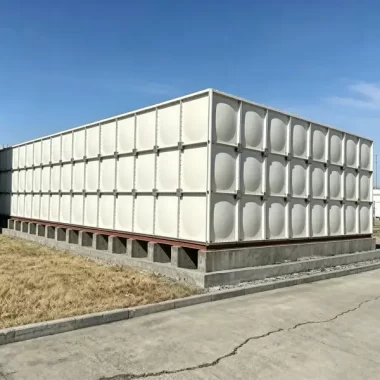
Storage Tanks
FRP tanks serve as practical, long-term containment solutions across oil and gas operations. Engineered for high corrosion resistance and lasting durability, these tanks are ideal for storing crude oil, produced water, and industrial chemicals. They resist chemical breakdown and external weather exposure, minimizing routine upkeep and preventing leaks that impact site safety and operational efficiency.
Piping Systems
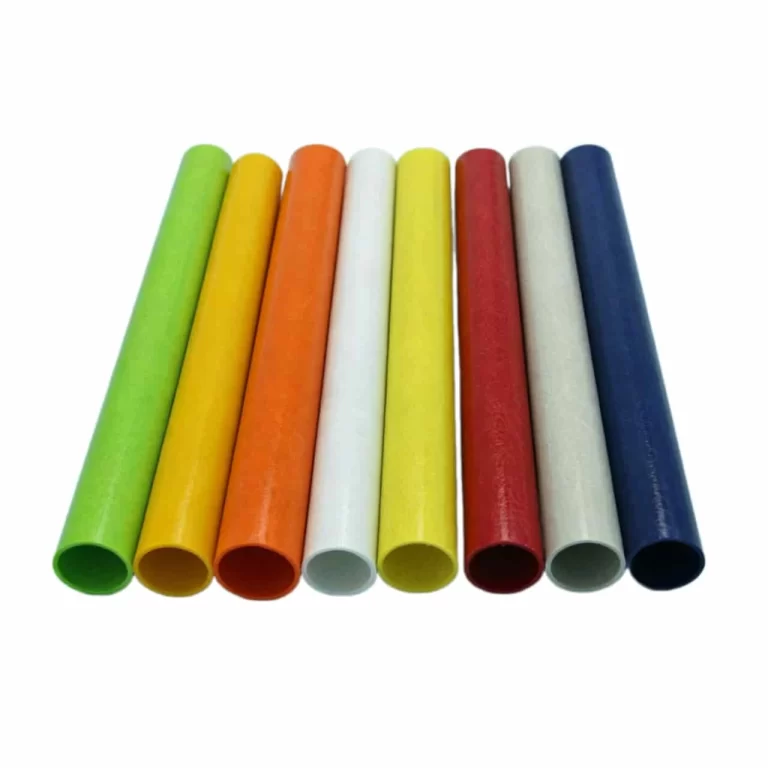
FRP piping systems serve corrosive oil and gas sites for fluid transport tasks. They carry oil, gas and industrial wastewater across harsh work zones. Metal pipes need frequent coating fixes and anti-rust treatments each year. FRP pipes hold long lifespans and steady internal flow performance instead. Their seamless build and strong chemical resistance fit refinery and underground lines. They also work great for remote field transport networks in oil and gas projects.
Strukturbauteile
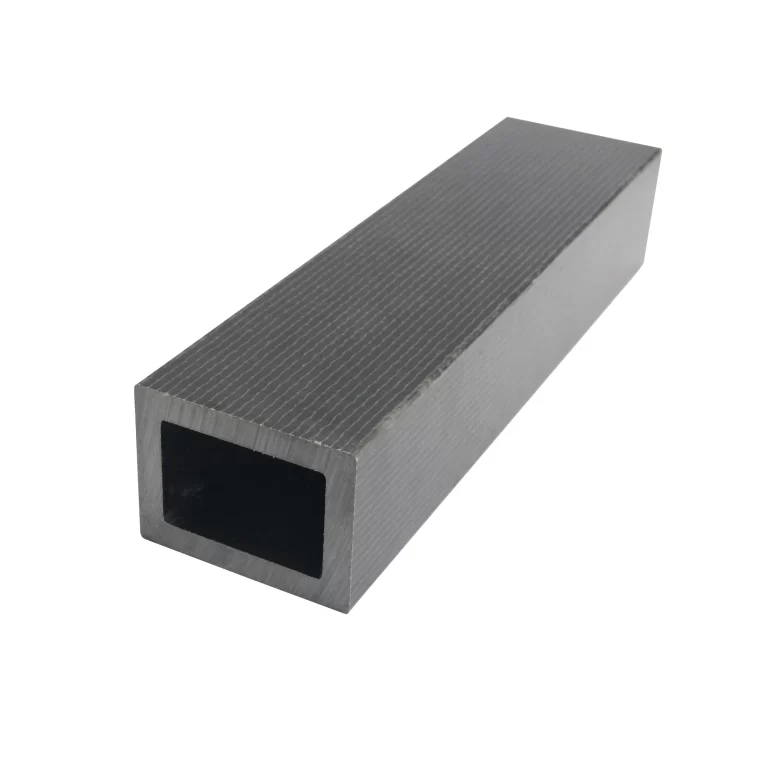
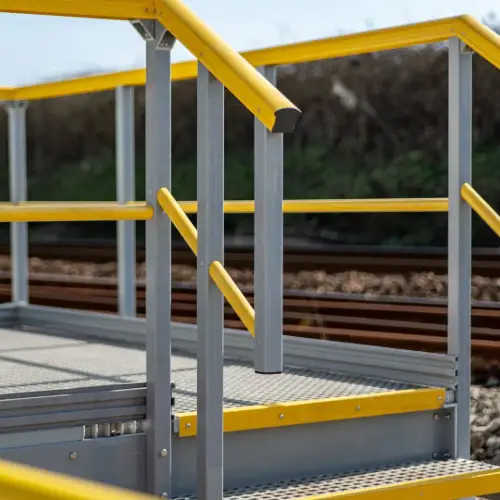
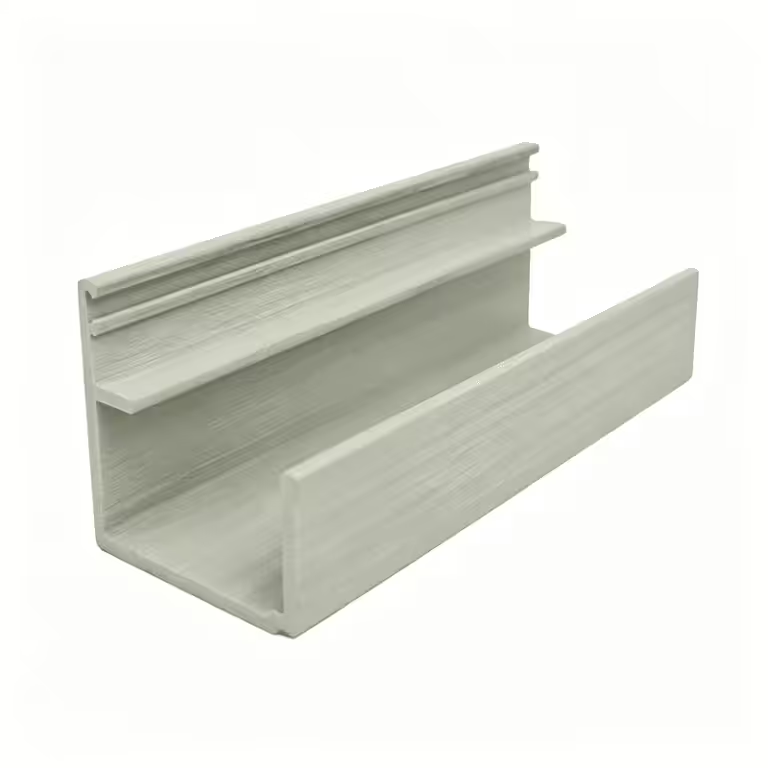
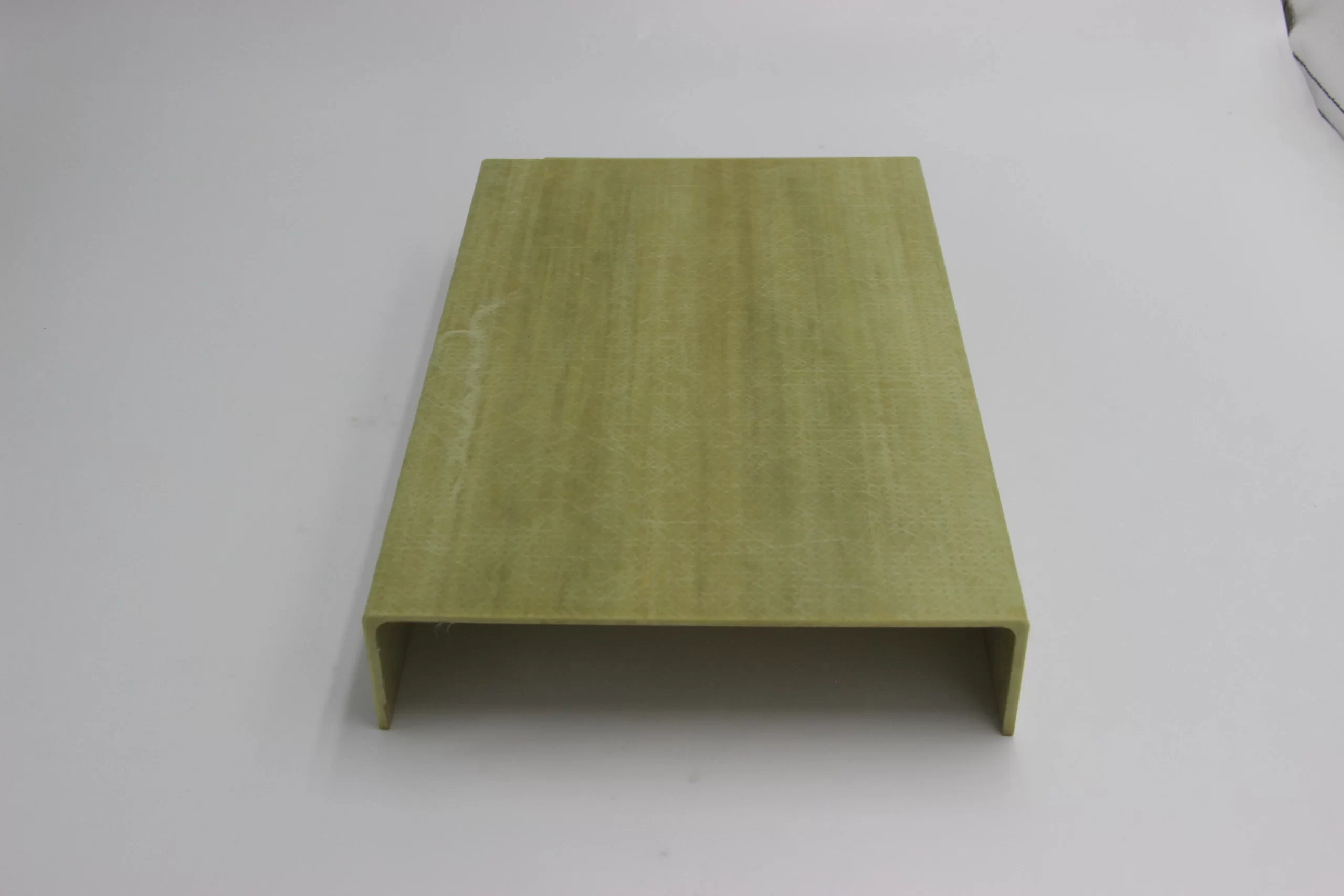
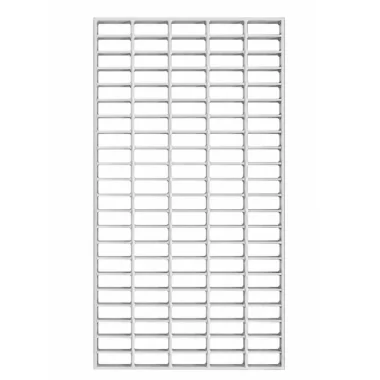
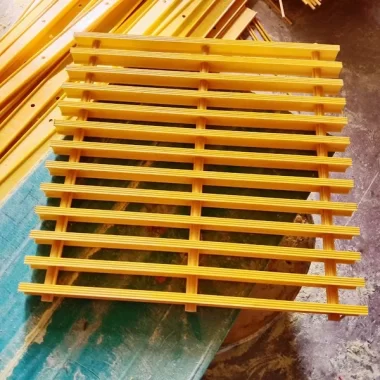
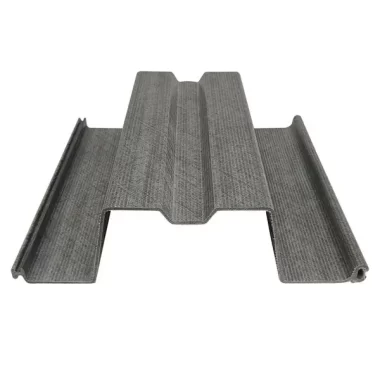
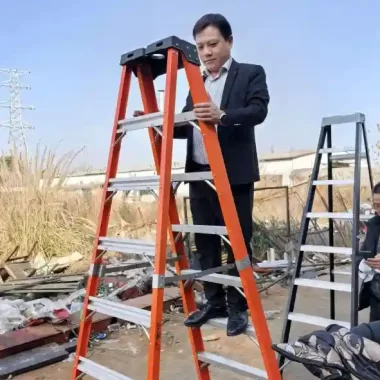
A full range of FRP structural components supports daily safety and access across offshore platforms and onshore refineries. This includes FRP grating, handrails, and ladders, which create stable, non-conductive, corrosion-free walkways and work zones. These components eliminate rust-related failures, reduce slip risks, and maintain stable structural performance in high-humidity, chemical-rich industrial settings.
Offshore Applications
Light weight stands as one of FRP’s most valuable benefits for offshore energy projects. By integrating lightweight FRP parts, operators effectively reduce the overall load on offshore platforms. This structural advantage lowers foundation stress, simplifies upgrade projects, and supports safer long-term platform operation in marine and coastal conditions.
Key Advantages of FRP in Oil & Gas
Korrosionsbeständigkeit
FRP composites exhibit strong resistance to harsh industrial chemicals, saltwater, humidity, and fluctuating outdoor conditions common in oil and gas sites. This natural corrosion resistance eliminates frequent anti-rust treatments and surface repairs required for metal infrastructure.
Cost-Effective Life Cycle
FRP delivers clear long-term economic benefits through reduced maintenance demands and simplified installation processes. Lower repair frequency, extended service lifespans, and minimal surface upkeep combine to cut overall operational spending throughout the full project life cycle.
High Strength-to-Weight Ratio
The high strength-to-weight ratio of FRP simplifies on-site transportation, lifting, and assembly. Light composite components require fewer labor resources and heavy machinery during installation, speeding up project timelines especially in remote or offshore locations.
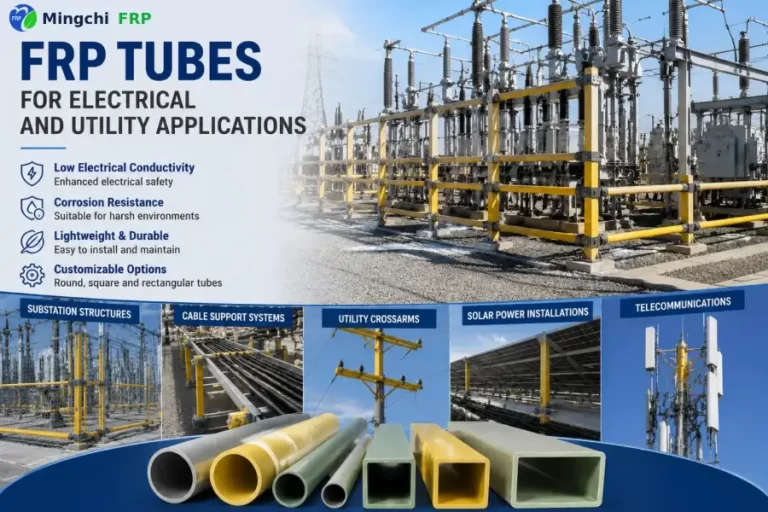
Non-Electrical Conductivity
FRP is fully non-conductive, creating critical safety advantages in high-risk oil and gas zones. Non-conductive structural parts reduce electrical hazard risks, prevent accidental current conduction, and enhance overall site safety for workers operating near power equipment and explosive environments.
Final Thoughts
FRP continues to reshape infrastructure standards within the oil and gas industry, offering reliable performance for storage tanks, piping systems, structural access parts, and offshore installations. Its unique combination of corrosion resistance, lightweight strength, safety features, and long-term cost efficiency makes it a practical alternative to conventional building materials.
For robust, industry-grade FRP solutions built for oil and gas environments, trust mingchifrp. Our engineered composite products meet strict industrial requirements, supporting stable, safe, and low-maintenance infrastructure for global energy operations.