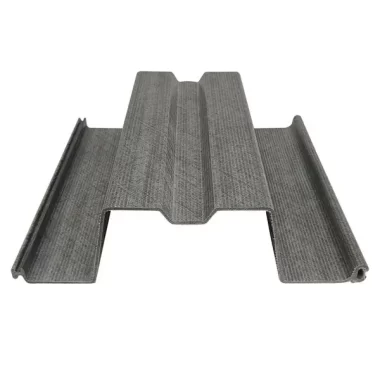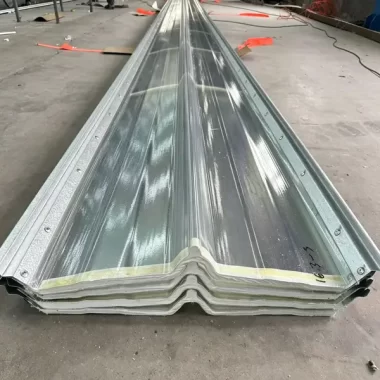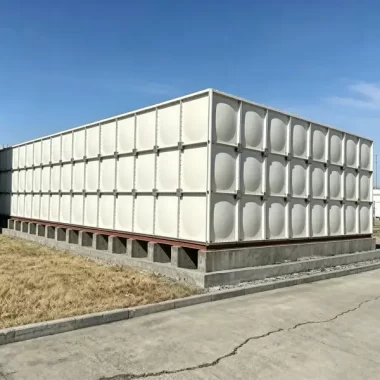

Stress distribution matters greatly for FRP structural profile design, and it shapes strength, durability and onsite safety. Traditional materials differ from FRP’s fiber-resin composite makeup, so FRP shows unique stress behavior in actual use. This guide covers core FRP stress distribution points, links them to real applications, and shares practical engineering analysis methods without complex jargon.
Key Aspects of FRP Stress Distribution
FRP’s stress behavior is defined by its composite structure, with fiber orientation, material properties, and geometric design all shaping how stress is distributed under load. Below are the core characteristics that govern FRP stress distribution:
Linear Behavior
FRP exhibits linear elastic behavior, meaning it can recover its original shape after load removal without permanent deformation. However, unlike metal, FRP does not yield; instead, it fails abruptly once the maximum stress capacity is reached. This linearity simplifies stress calculation and prediction but requires careful design to avoid sudden, catastrophic failure—critical for structural applications where reliability is non-negotiable.
Anisotropy
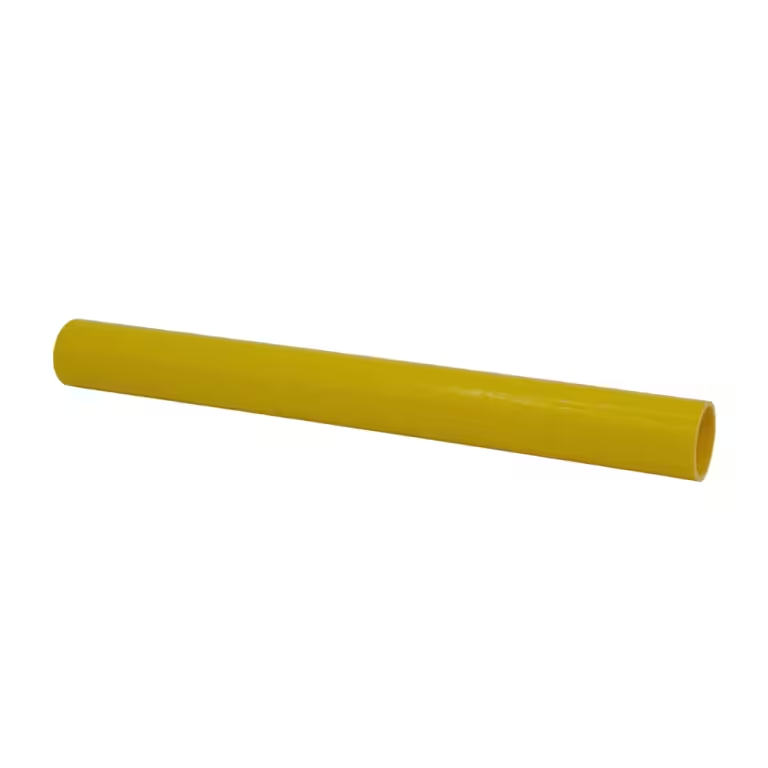
FRP is highly anisotropic, meaning its stress capacity depends heavily on fiber orientation. The direction of fibers directly dictates the profile’s strength in different axes: for example, ±55° winding delivers high hoop strength, making it ideal for FRP pipes that face circumferential pressure. In contrast, unidirectional fibers prioritize axial strength, suitable for load-bearing beams and columns. Understanding anisotropy is essential to align fiber orientation with the primary stress forces a profile will encounter.
Stress Concentration
Stress distribution becomes nonuniform in bonded connections and joints, with significant stress concentrations at loaded ends—often reaching up to 80% higher than average stress levels, as detailed in this 3D stress analysis report. These concentrated stress zones are weak points, increasing the risk of premature failure. Designing joints with smooth transitions, proper bonding, and reinforcement can mitigate these concentrations and ensure even stress distribution.
Confined Concrete Distribution
In FRP-confined concrete columns, stress distribution varies dramatically by cross-sectional shape. For circular sections, stress is distributed uniformly, maximizing the effectiveness of FRP confinement. In square sections, however, stress distribution is highly non-uniform: stress is highest at the corners (where confinement is most effective) and significantly lower along the sides, reducing overall performance. This difference guides the selection of cross-sectional shapes for FRP-confined concrete applications.
Common Applications and Analysis of FRP Stress Distribution
Understanding FRP stress distribution drives better performance in structural use, and professional analysis ensures precise design as well as safety.
Structural Strengthening
FRP wraps are widely used for structural strengthening, and their effectiveness hinges on improved stress distribution. This technical article from Horse Construction discusses how FRP wraps distribute stress evenly across weakened or damaged structures, reducing localized stress concentrations and enhancing overall load-bearing capacity. By reinforcing critical areas and spreading stress more uniformly, FRP wraps extend the lifespan of aging or compromised structures.
Bolted Connections
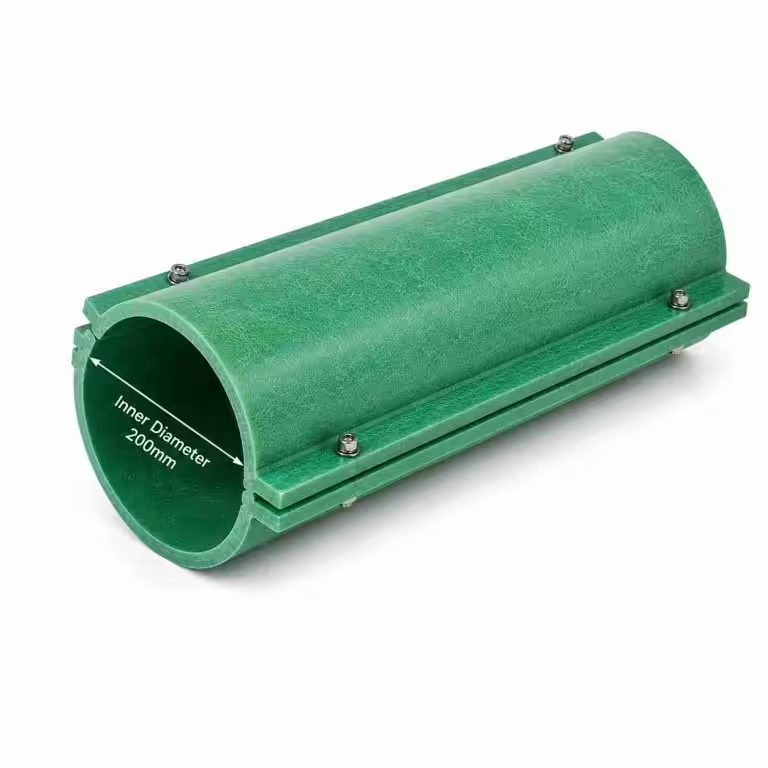
Bolted connections easily trigger stress concentration in FRP profiles, and improper hole layout weakens the overall structure. Reasonable bolt spacing and local reinforcement matter greatly, so they effectively reduce stress risks and bear standard design loads.
Stress Calculation
Accurate stress analysis depends on advanced technical methods, and FEM stands out as the most common choice. It models axial stress and spots stress concentration, so engineers can optimize fiber layout and section design to boost overall FRP structural performance.
Final Thoughts
Stress distribution supports reliable FRP structural profile design, and anisotropy plus stress concentration affect overall safety, engineers adopt FEM analysis methods, so they create FRP profiles with even stress distribution and long-term stability.
Choose mingchifrp for FRP profiles with balanced stress distribution, and we optimize fiber layout and joint structure carefully. Our products bear stable design loads in industrial and commercial scenarios, so they suit structural strengthening and bolted connection use perfectly. They also apply well to confined concrete column projects.