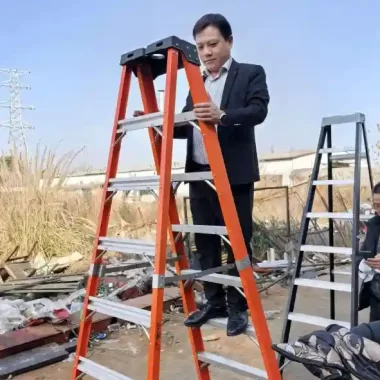

Choose the Right FRP Ladder: The core goal of this guide is simple: help you pick the exact FRP ladder that fits your application—no irrelevant FRP material explanations, no redundant details, just practical, step-by-step guidance to make the right choice. Whether you’re shopping for industrial use, electrical work, or outdoor tasks, every section below is focused on what matters most when selecting an FRP ladder.
Choosing FRP Ladders Wisely: Custom Profiles for Unique Needs and Pultruded Profiles for Durability
When choosing an FRP ladder, custom profiles are only relevant if you have unique needs. Ask yourself: Do I need a ladder that fits a tight industrial space? Extra-wide rungs for stability? A safety cage for tall tasks? If yes, prioritize FRP ladders with custom profiles—they’re tailored to your site, so you won’t waste money on a generic ladder that doesn’t fit your application.
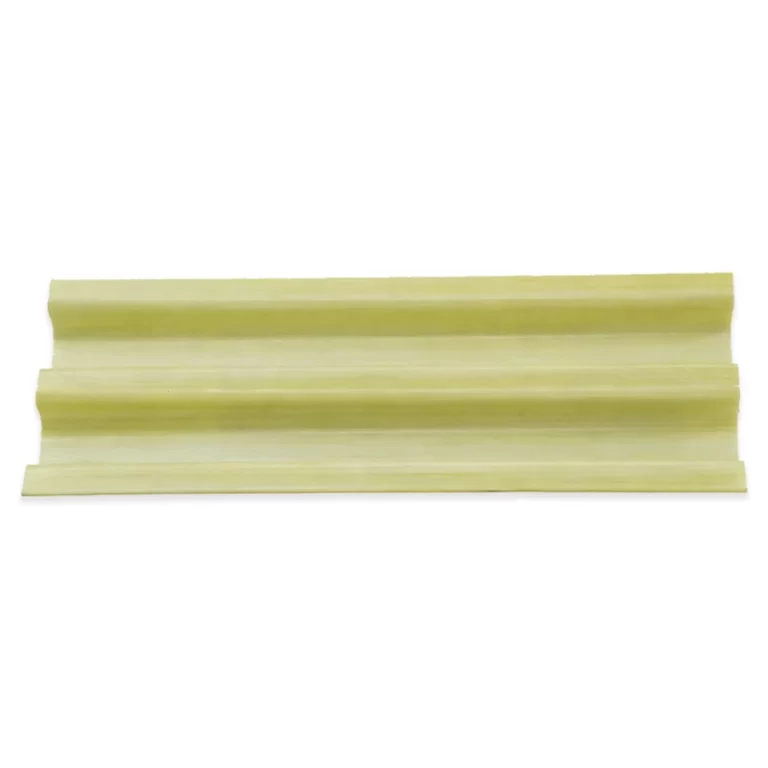
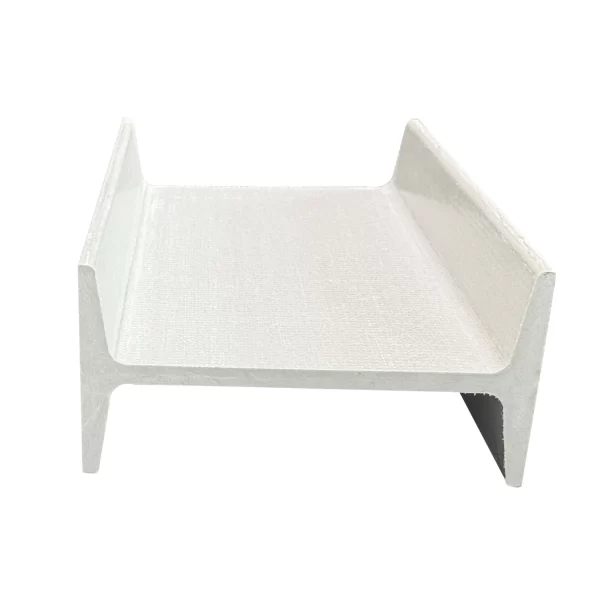
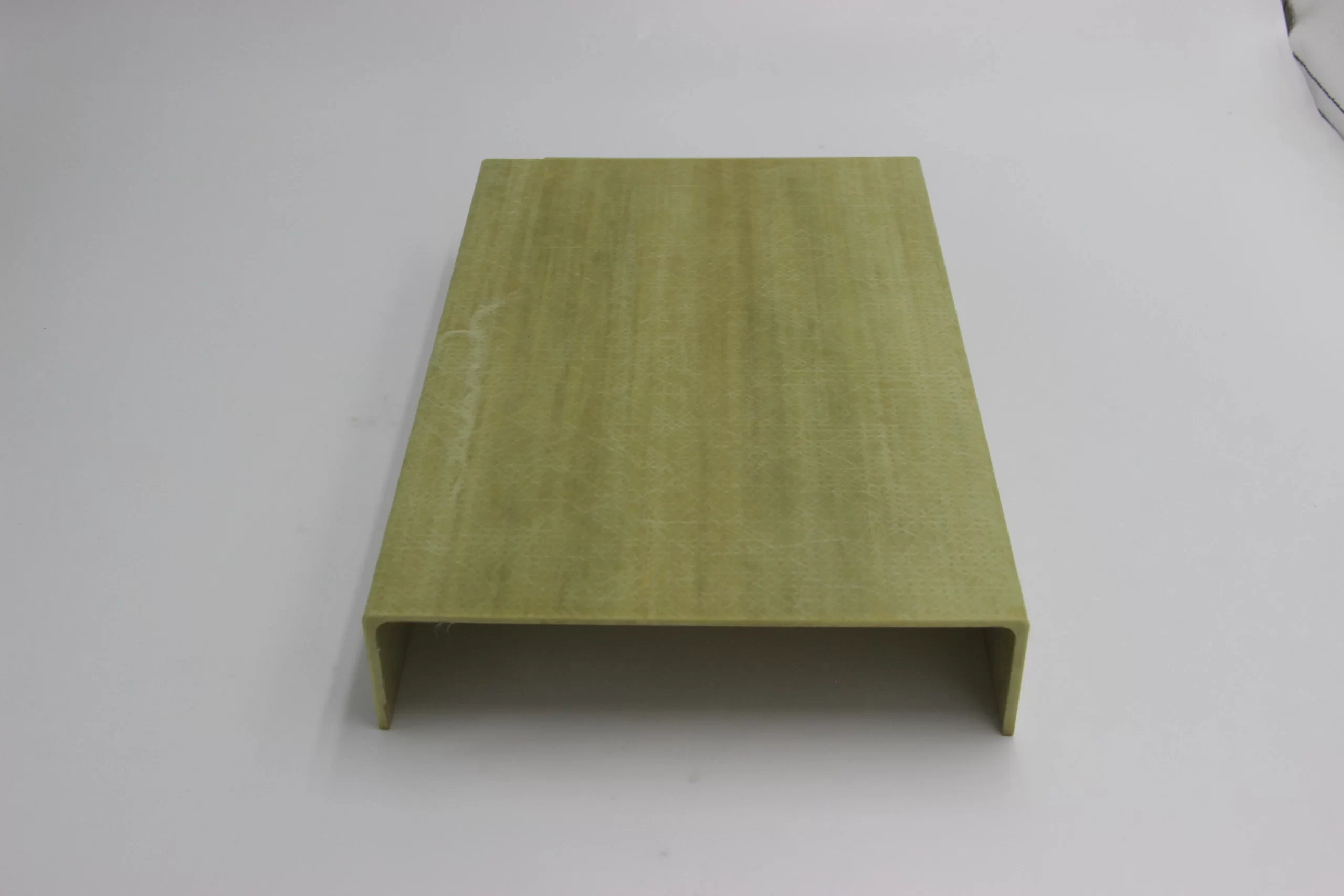
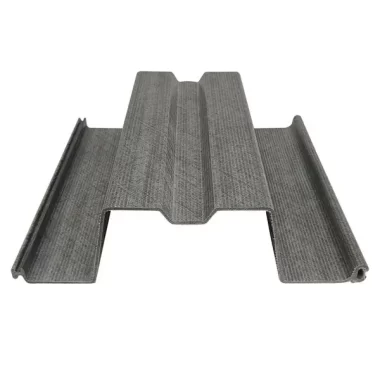
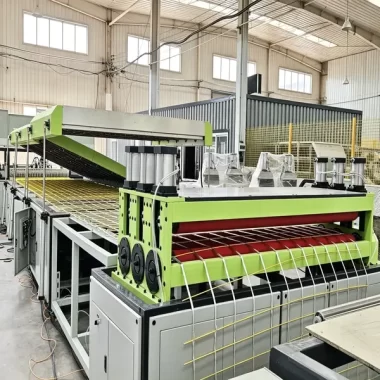
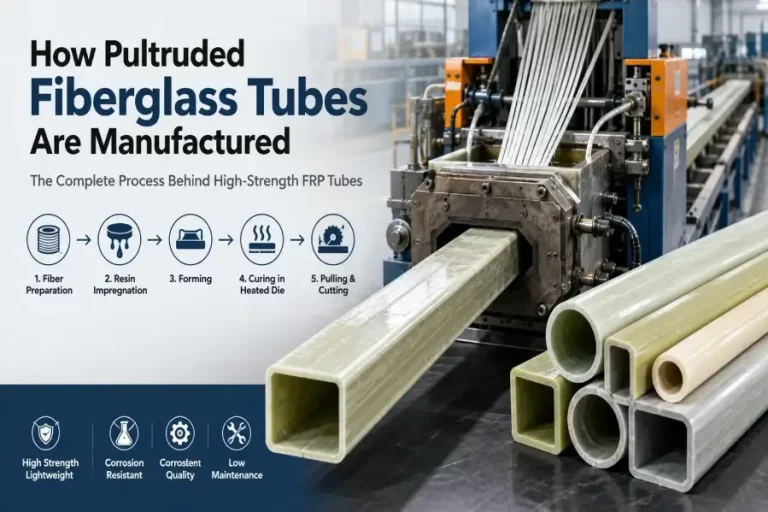
For ladder selection, focus on how pultrusion profiles benefit YOUR choice: pultruded FRP ladders are more durable, consistent, and lightweight than non-pultruded options. When comparing ladders, look for pultrusion profiles if you need a ladder that’s easy to transport, resists corrosion, and holds up to heavy use—skip ladders with low-quality non-pultruded components.
FRP Ladder Rung Guide: When to Use Grating Rungs for Enhanced Safety
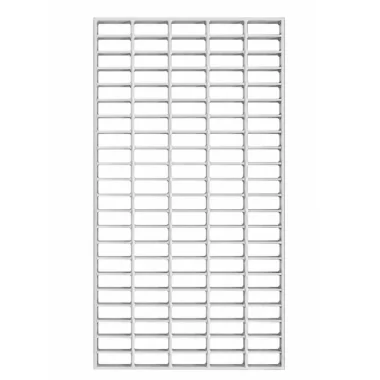
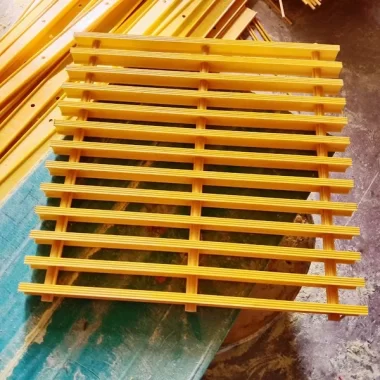
You don’t need to know the full composition—what matters for ladder selection is: FRP grating rungs = better slip resistance and corrosion resistance. If your ladder will be used in wet, oily, or chemical-heavy environments (e.g., chemical plants, marine sites), choose an FRP ladder with grating rungs. For general use, standard FRP rungs work—but grating rungs are a smarter pick for high-safety applications.
Selecting the Right FRP Ladder Rungs: Grating for Slip & Corrosion Resistance
Again, focus on selection: FRP grating stair treads (used as ladder rungs) outperform metal/wood for outdoor, industrial, or wet tasks. When choosing your ladder, ask: Will my ladder be exposed to moisture, chemicals, or slippery conditions? If yes, prioritize ladders with FRP grating rungs—they’re safer and longer-lasting than traditional options, so you won’t have to replace the ladder prematurely.
Key Factors to Prioritize When Choosing an FRP Ladder (No Fluff, Just What You Need)
Forget generic advice—here’s what to check before you buy to ensure your FRP ladder fits your application:
1. Safety & Conductivity (Match to Your Task)
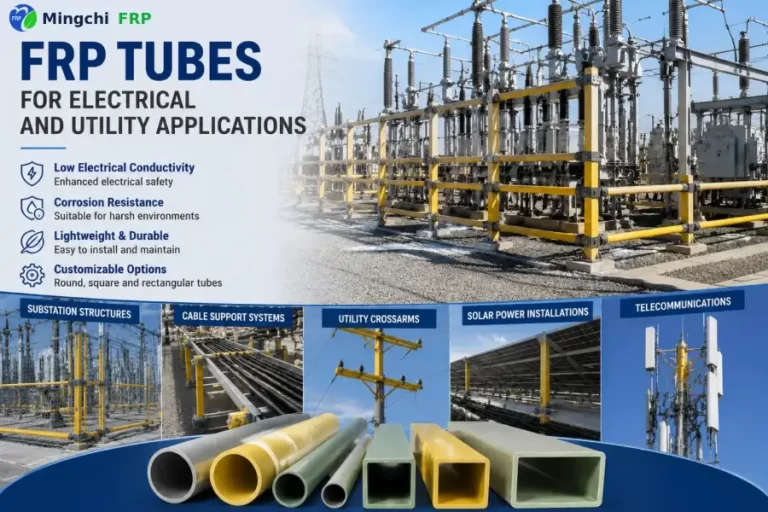
- If you do electrical work (e.g., substations, power plants): Choose FRP (non-conductive) over metal—this is non-negotiable for shock prevention.
- If electrical safety isn’t a concern: Focus on other factors (corrosion, load capacity) instead.
2. Environment (Pick for Where You’ll Use It)
- Chemical plants/marine/wastewater sites: Must choose FRP (resists rust, chemicals, moisture)—metal ladders will degrade fast here.
- Outdoor use: Look for FRP ladders with UV inhibitors (prevents brittleness from sun exposure).
- Indoor/general use: Standard FRP ladders work—no need to overspend on extra features.
3. Load Capacity (Don’t Overlook This)
- Calculate total weight: User + tools + materials.
- Match to duty rating: Type IA/I for heavy-duty industrial use; lighter ratings for general tasks.
- Rule of thumb: Never choose a ladder with a lower duty rating than your total weight—this is a safety risk.
4. Height & Type (Choose the Right Style for Your Needs)
Stop wasting time on incompatible ladder types—pick based on your task:
- Step ladders: Best for self-supporting tasks (e.g., indoor maintenance, small outdoor jobs) where you don’t need to lean against a structure.
- Extension ladders: For reaching high points (e.g., roofs, tall equipment)—adjustable to fit your height needs.
- Platform ladders: Ideal for long tasks (e.g., industrial inspections)—extra stability, so you can work comfortably for hours.
5. Standards Compliance (Non-Negotiable for Safety)
- Always check: Does the ladder meet OSHA (US) or EN131 (EU) standards?
- Why it matters: Compliance ensures the ladder is tested for strength and safety—skip non-compliant ladders, even if they’re cheaper.
6. Durability Features (Pick for Longevity)
- Non-slip rungs: Essential for wet/slippery environments.
- Heavy-duty bracing: For stability (critical for tall ladders).
- Weather-resistant components: For outdoor use—prevents damage from rain/sun.
3 Simple Steps to Choose the Right FRP Ladder (Start to Finish)
Follow these steps to avoid mistakes and pick the perfect ladder:
- Assess your task first: Write down 3 key details—max height needed, work environment (wet/chemical/outdoor), and total weight (user + tools). This narrows down your options immediately.
- Filter by non-negotiables: Eliminate ladders that don’t meet your must-haves (e.g., non-conductive for electrical work, corrosion-resistant for marine use).
- Compare remaining options: Focus on duty rating, features (non-slip rungs, UV inhibitors), and customization (if needed)—pick the one that checks all your boxes without extra, unnecessary features.
Final Thoughts
Choosing the right FRP ladder isn’t complicated—you just need to focus on YOUR application, not generic FRP explanations. By prioritizing your task, environment, load capacity, and safety needs, you’ll avoid wasting money on a ladder that’s too big, too weak, or ill-suited for the job. For a trusted solution that aligns with every key selection factor, mingchifrp’s FRP ladders are designed to fit every application: from step ladders for general use to heavy-duty extension ladders for industrial sites, all meeting OSHA/EN131 standards, with non-slip rungs, UV inhibitors, and corrosion-resistant pultrusion profiles. Whether you need a standard design or a custom fit, mingchifrp takes the guesswork out of choosing—so you get a ladder that’s safe, durable, and perfect for your needs.