
FRP structural components are increasingly used in industrial and infrastructure projects where steel, aluminum or wood may suffer from corrosion, excessive weight or frequent maintenance.
Made from fiberglass reinforcement and a polymer resin matrix, FRP products combine corrosion resistance, lightweight construction and reliable mechanical performance. They are commonly used in chemical plants, wastewater treatment facilities, marine structures, electrical installations and outdoor infrastructure.
This guide explains the main types of FRP structural components, their advantages and the key factors to consider when selecting them.
What Are FRP Structural Components?
FRP stands for Fiber Reinforced Polymer, also known as Fiberglass Reinforced Plastic or GRP.
The material normally consists of two main parts:
- Fiberglass reinforcement, which provides strength and stiffness
- Thermosetting resin, which binds and protects the fibers
Common resin systems include polyester, vinyl ester and epoxy. The appropriate resin depends on the chemical environment, temperature, fire requirements and expected service conditions.
Unlike steel, FRP does not rely on a protective galvanized or painted surface to prevent rust. Its corrosion resistance comes from the composite material itself, making it particularly suitable for wet, coastal and chemically aggressive environments.
Main Types of FRP Structural Components
FRP structural systems can include load-supporting profiles, flooring panels, handrails, stair systems and connection accessories.
FRP Structural Profiles
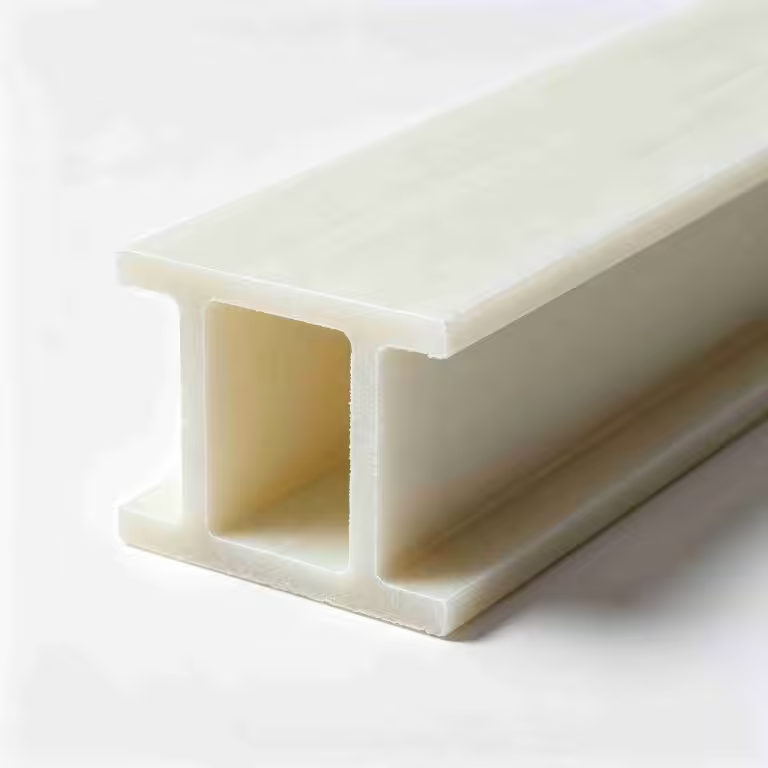
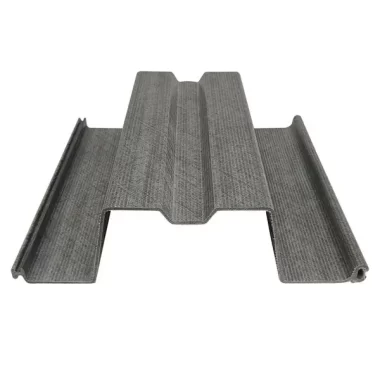
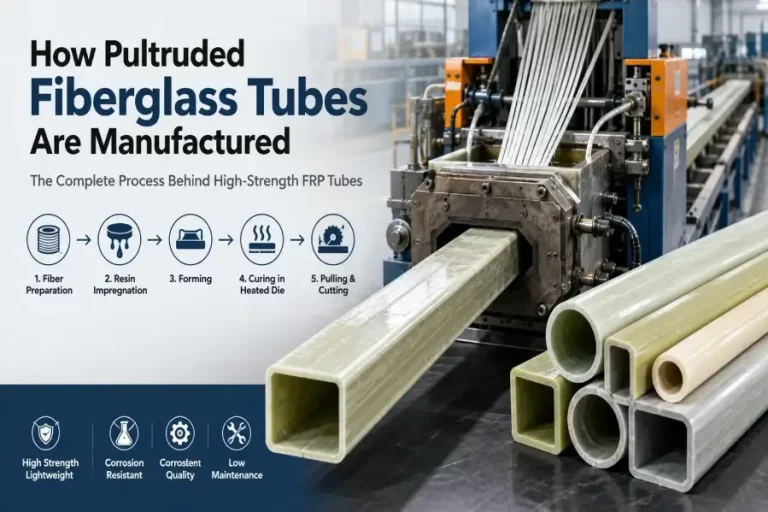
FRP structural profiles are generally manufactured through the pultrusion process. Continuous fiberglass reinforcements are pulled through a resin bath and then through a heated die, forming profiles with a consistent cross-section.
Common profile shapes include:
| FRP profile | Typical use |
|---|---|
| FRP I-beam | Platforms, support structures and longer spans |
| FRP channel | Frames, equipment supports and walkway structures |
| FRP angle | Brackets, edge supports and structural reinforcement |
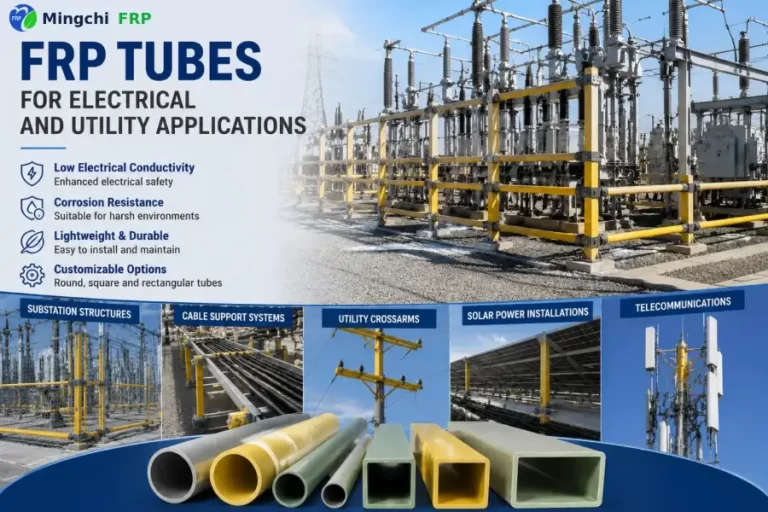
| FRP square tube | Handrails, fences and modular frames |
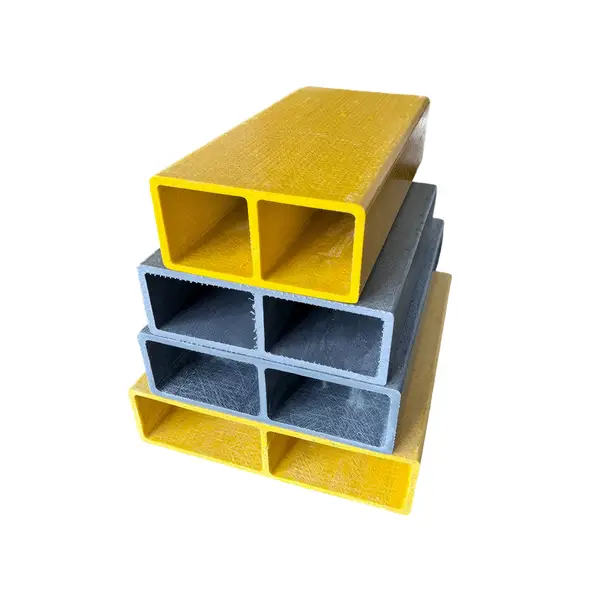
| Tubo rectangular de PRFV | Structural frames and equipment supports |
| FRP round tube | Handrails, ladders and insulated support systems |
| FRP flat bar | Bracing, covers and secondary reinforcement |
Each profile shape performs differently under bending, compression, shear and torsional loads. Profile dimensions should therefore be selected according to project calculations rather than simply replacing a steel section with an FRP section of the same size.
Rejilla FRP
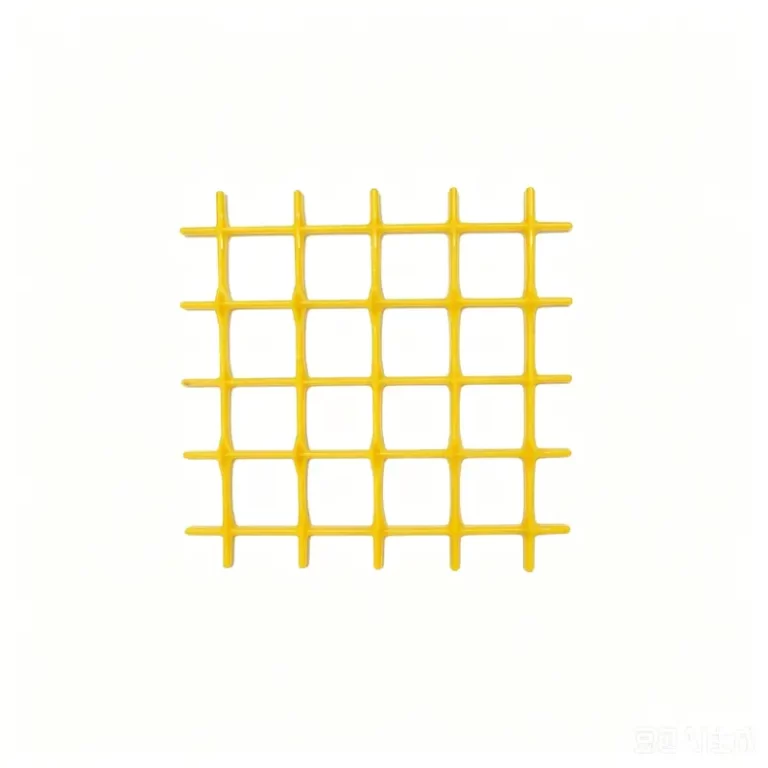
FRP grating is widely used for industrial flooring, walkways, platforms, stair treads and trench covers.
The two main types are:
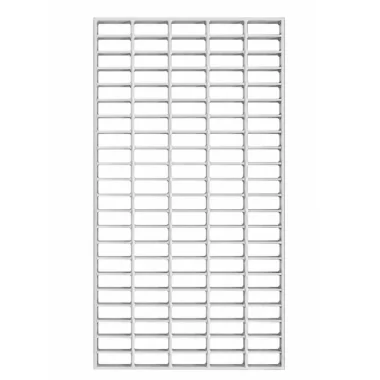
Molded FRP Grating
Molded grating is manufactured as a one-piece panel with fiberglass reinforcement arranged in multiple directions.
It is commonly selected for:
- Pedestrian walkways
- Chemical processing areas
- Wastewater platforms
- Trench covers
- Wet or slippery environments
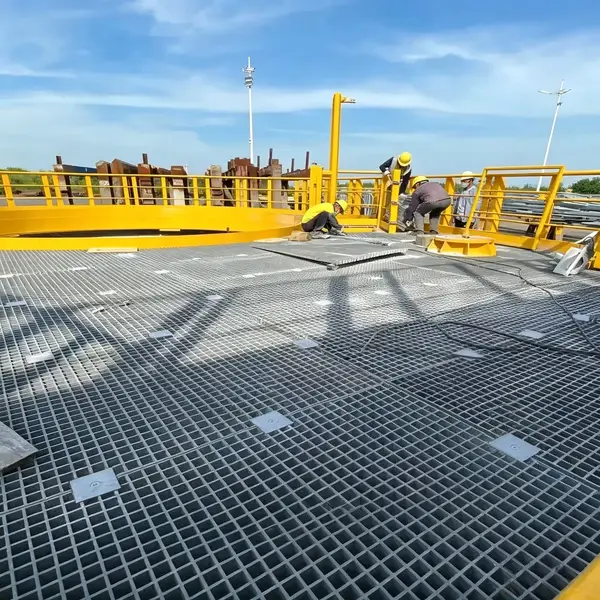
Its multidirectional structure provides good impact resistance and allows openings to be cut with less effect on the surrounding panel.
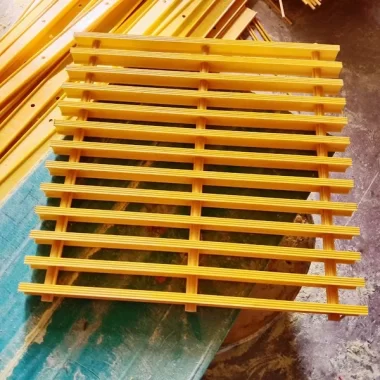
Pultruded FRP Grating
Pultruded grating is assembled from pultruded bearing bars and cross rods. Most of its strength is concentrated in the direction of the bearing bars.
It is generally suitable for:
- Longer support spans
- Higher concentrated loads
- Industrial operating platforms
- Heavy-duty access areas
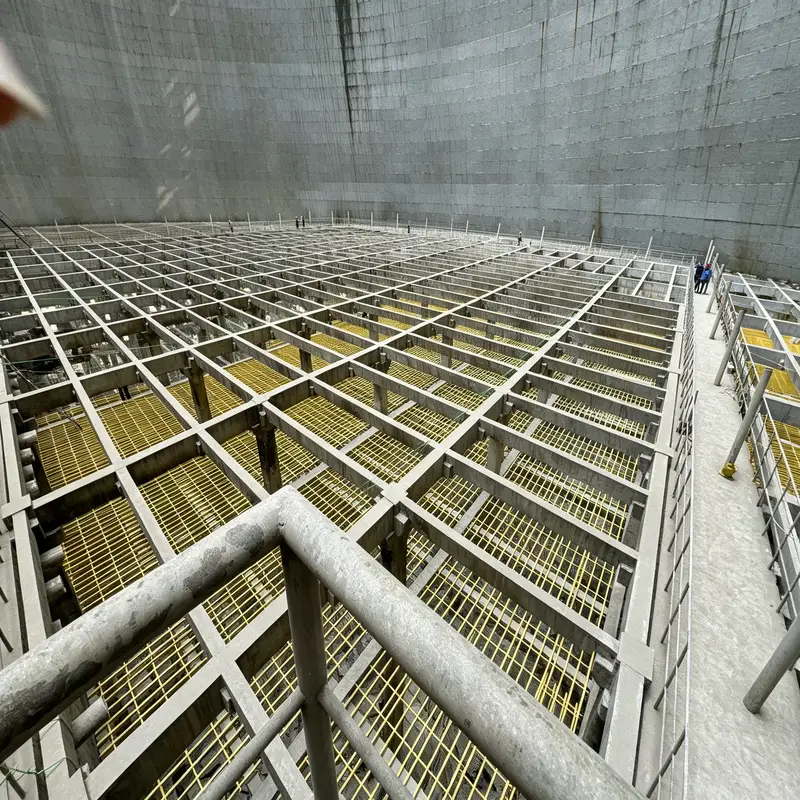
The support direction and span must be confirmed during installation to achieve the required load performance.
Handrails, Stair Treads and Accessories
A complete FRP structure may also include:
- Sistemas de barandillas de PRFV
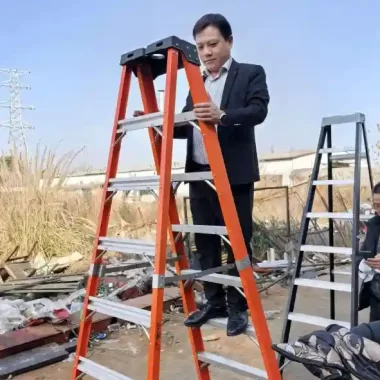
- FRP ladders
- FRP stair treads
- Kick plates and skirting boards
- Base plates and brackets
- Bolts, clips and structural connectors
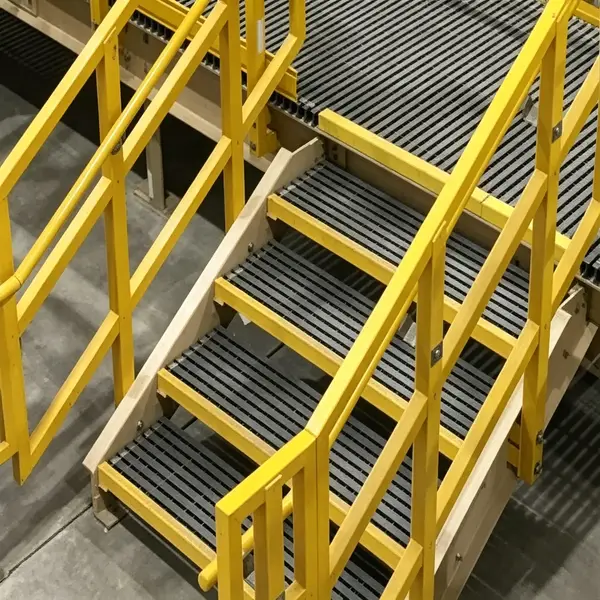
Using compatible FRP components throughout the structure helps maintain consistent corrosion resistance and reduces the number of exposed metal parts.
Key Advantages of FRP Structural Components
Resistencia a la corrosión
FRP does not rust and can resist moisture, saltwater and many industrial chemicals.
This makes it suitable for environments where steel structures require frequent painting, galvanizing repair or replacement. The resin system must still be selected according to the specific chemical, concentration and operating temperature.
Lightweight Installation
FRP components are considerably lighter than comparable steel components.
The lower weight can simplify transportation, lifting, cutting and installation. In many projects, components can be handled with smaller equipment and fewer workers.
Electrical Insulation
Fiberglass structural components are non-conductive and non-magnetic.
They are frequently used around electrical equipment, substations, cable systems and utility facilities. However, the complete system—including fasteners and connections—must still be evaluated for electrical safety.
Bajo Mantenimiento
FRP does not normally require routine anti-rust painting or galvanizing repair.
Periodic cleaning and visual inspection are usually sufficient for standard applications, helping reduce maintenance work and operational downtime.
Flexible Manufacturing
FRP profiles and grating can be supplied in different:
- Sizes and cross-sections
- Resin systems
- Surface finishes
- Colors
- Fire-retardant formulations
- UV-resistant options
Custom profiles may also be developed for projects requiring special dimensions, shapes or installation features.
Common Applications
FRP structural components are widely used across several industries.
Chemical and Wastewater Facilities
Typical applications include operating platforms, walkways, equipment supports, trench covers and access stairs.
FRP is often selected because these areas are continuously exposed to moisture, corrosive liquids and chemical gases.
Marine and Coastal Projects
FRP grating, profiles and handrails can be used for docks, coastal walkways, offshore platforms and port structures.
Their resistance to saltwater and humid conditions helps reduce the corrosion problems commonly associated with metal components.
Electrical and Energy Facilities
Non-conductive FRP components are used for substation walkways, cable support structures, equipment frames, ladders and safety barriers.
Industrial Platforms
FRP profiles and grating can be combined to create access platforms, maintenance walkways, stairs and guardrail systems around industrial equipment.
Proyectos de infraestructura
FRP components are also used for pedestrian bridges, drainage systems, municipal walkways, outdoor railings and other structures requiring low maintenance and weather resistance.
How to Select the Right FRP Components
Selecting an FRP product should begin with the actual operating conditions rather than the profile shape or price alone.
Confirm Structural Requirements
Determine the expected:
- Uniform load
- Carga concentrada
- Support span
- Deflection limit
- Impact or dynamic load
- Safety factor
FRP has different stiffness and directional properties from steel, so project-specific structural calculations are important.
Select the Resin System
Polyester resin is commonly used for general industrial and outdoor applications.
Vinyl ester resin is usually preferred for environments involving stronger chemicals, wastewater, seawater or continuous corrosion exposure.
The chemical type, concentration and operating temperature should be provided to the manufacturer before the resin is selected.
Choose the Appropriate Surface
Gritted or textured surfaces are recommended for wet, oily or slippery walkways.
Smooth surfaces may be more suitable for covers, decorative structures or applications requiring easier cleaning.
Consider Environmental Requirements
Outdoor and industrial projects may require additional properties such as:
- UV resistance
- Flame-retardant performance
- Low-smoke formulations
- Aislamiento eléctrico
- Resistencia química
- Temperature resistance
These requirements should be included in the product specification or request for quotation.
Review Connections and Installation
The final performance of an FRP structure also depends on its connections.
Bolt spacing, hole size, edge distance, support direction and fastening method should follow the structural design. Cut edges and drilled holes may also need sealing in highly corrosive environments.
Conclusión
FRP structural components provide a practical alternative to traditional materials in projects affected by corrosion, moisture, chemicals, electrical hazards or difficult installation conditions.
FRP profiles provide the main structural framework, while molded or pultruded grating creates safe flooring and access surfaces. Handrails, stair treads and connection accessories can then be added to form a complete FRP structural system.
The correct solution depends on load requirements, support span, resin type, surface finish and environmental exposure. Working with an experienced FRP manufacturer helps ensure that each component is properly selected for the project rather than treated as a direct size-for-size replacement for steel.
Mingchi FRP manufactures standard and customized FRP profiles, molded grating, pultruded grating, handrail systems and other structural components for industrial, marine, electrical and infrastructure applications.
Contact our team to request product specifications, load tables, resin recommendations or a project-specific quotation.