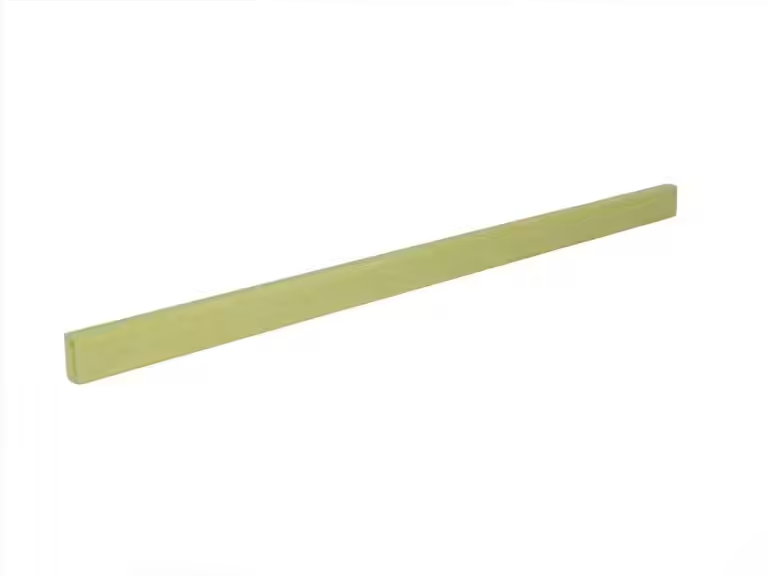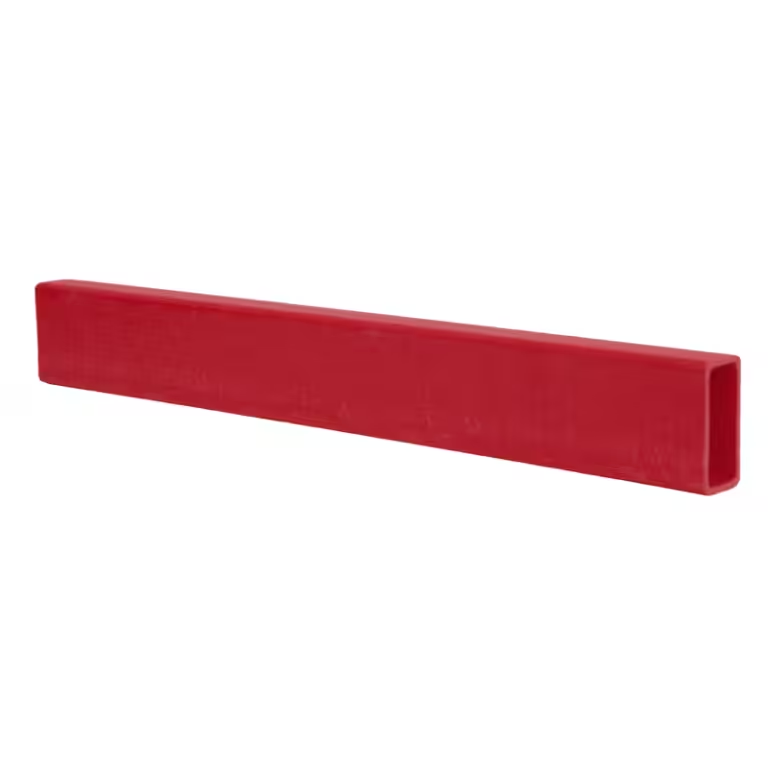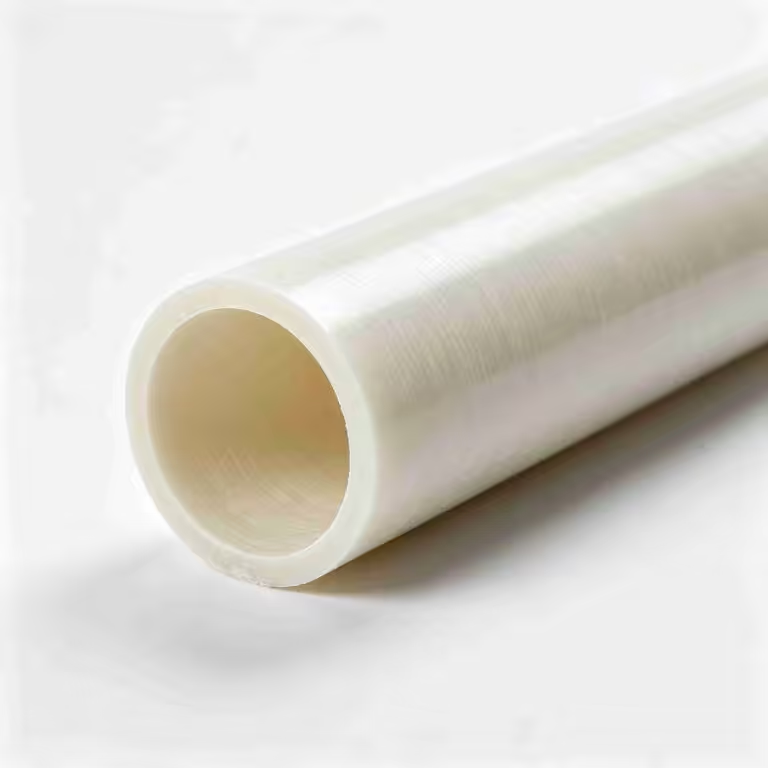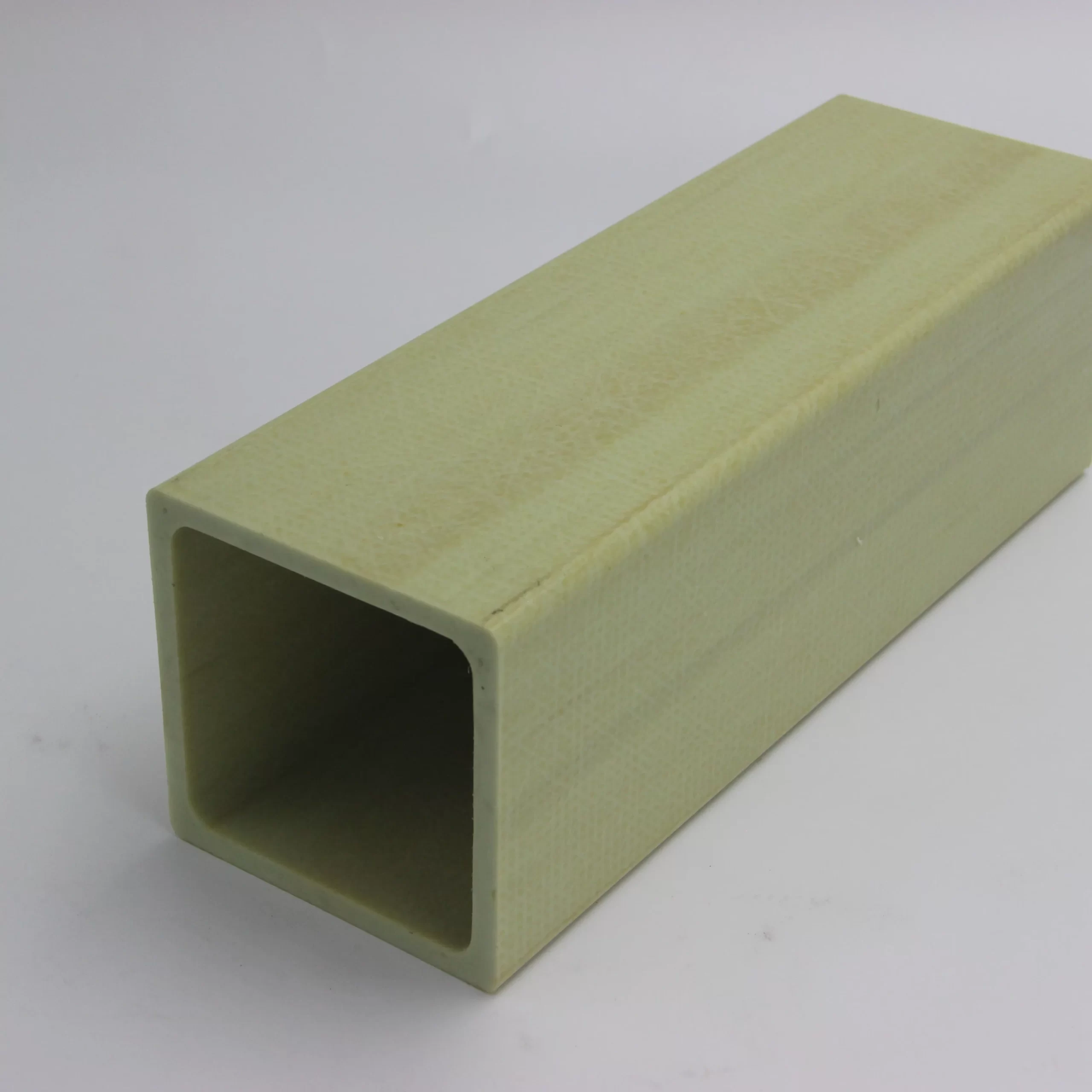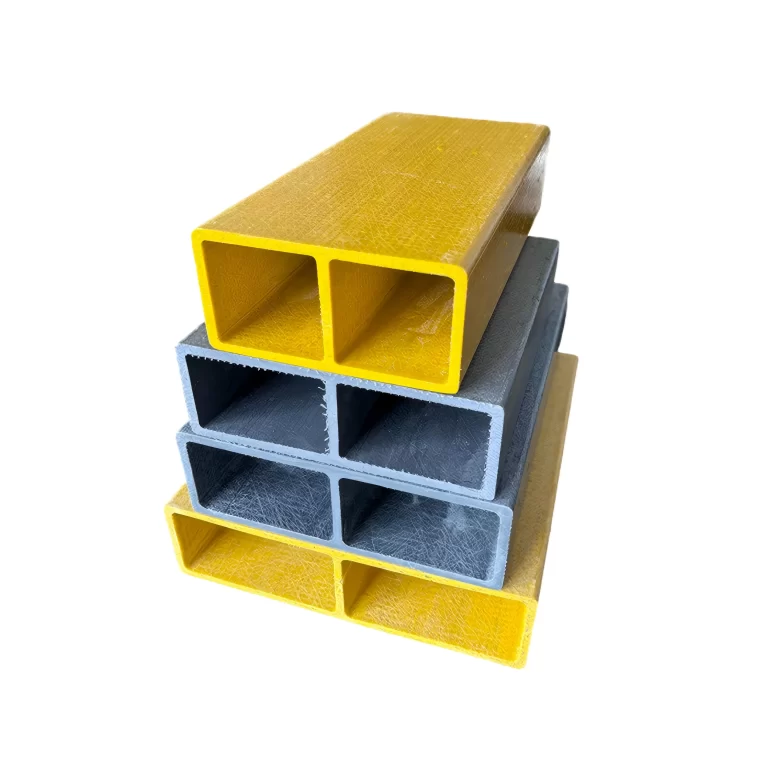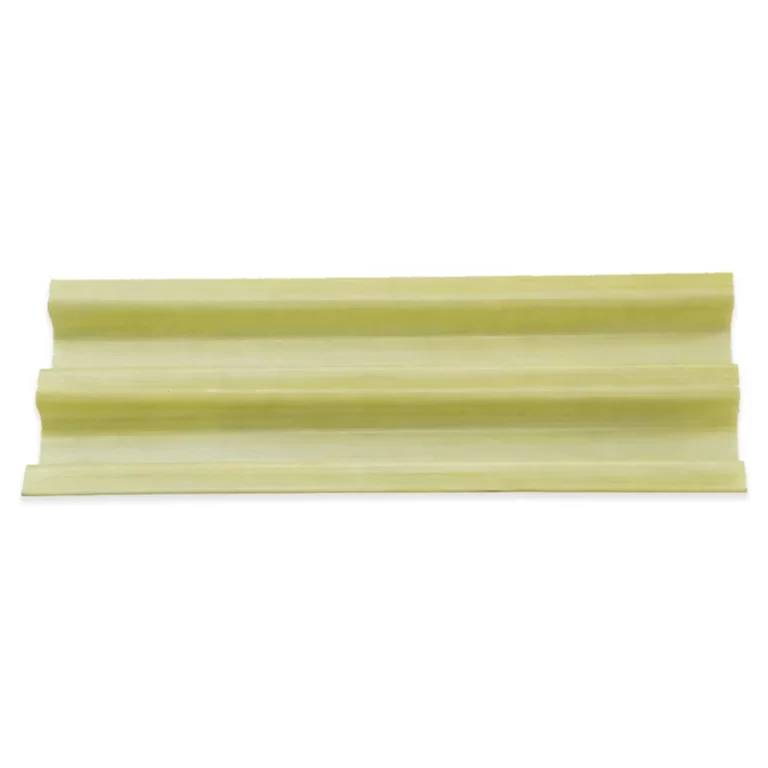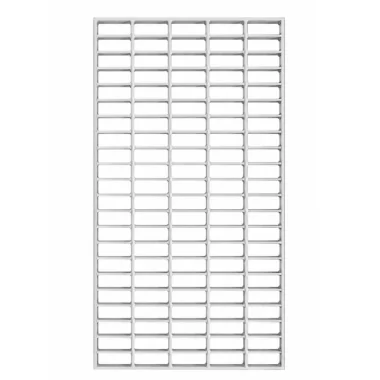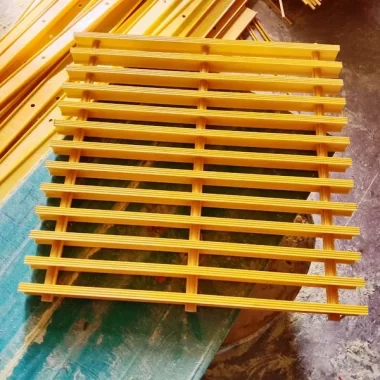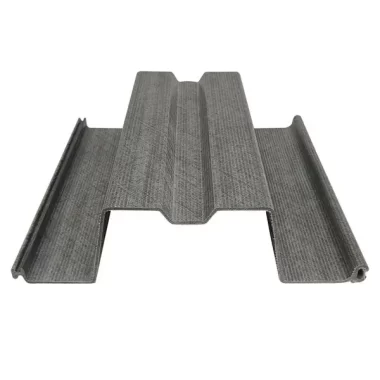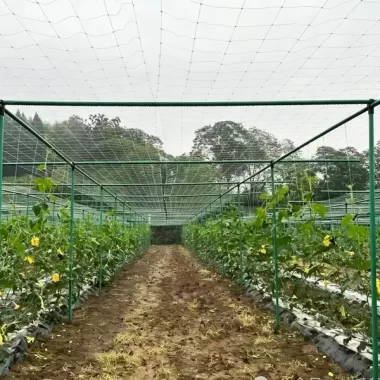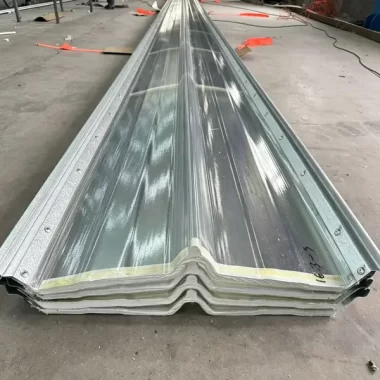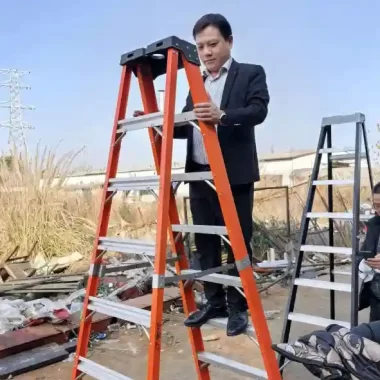
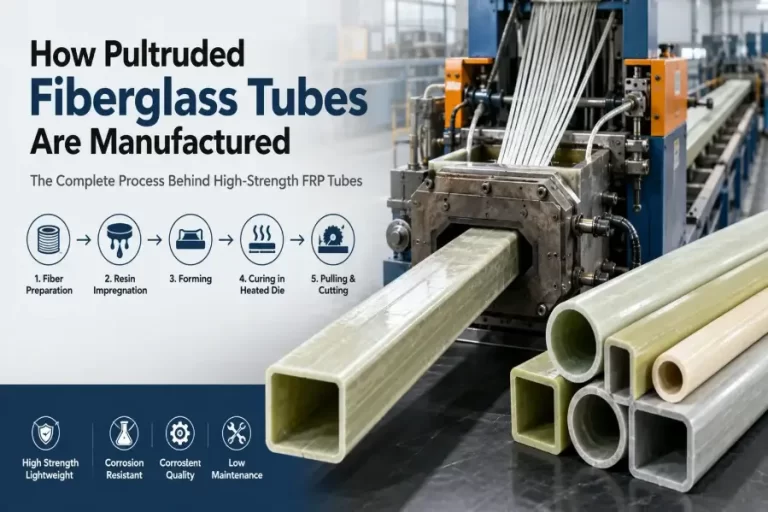
FRP Pultruded Profiles are structural composite shapes manufactured through a continuous pultrusion process, combining fiberglass reinforcements with thermosetting resins. Available in forms such as I-beams, channels, angles, and tubes, these profiles are widely used in industrial structures where durability, reliability, and long-term performance are critical.
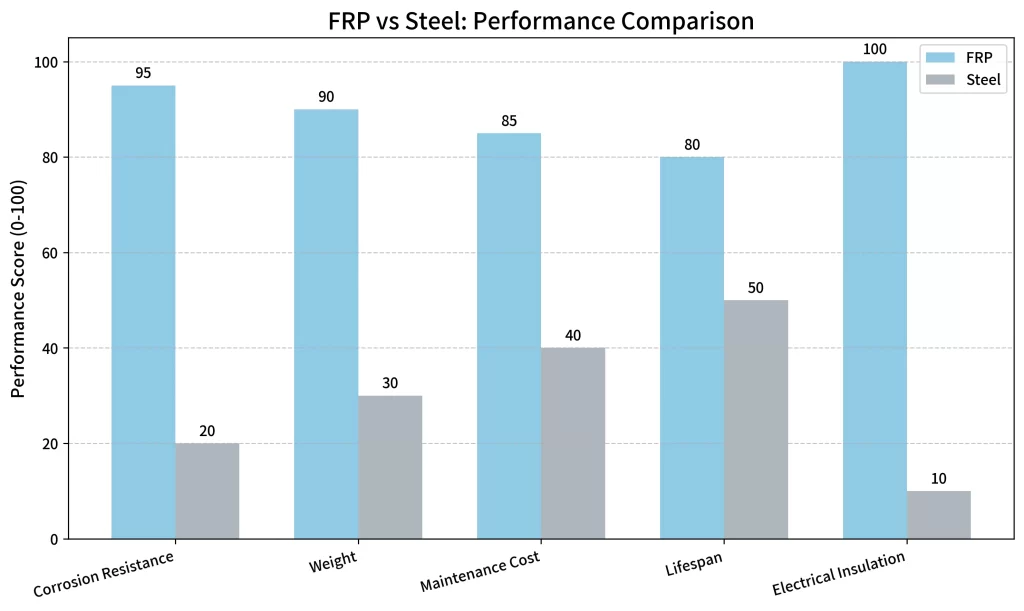
Compared with traditional materials such as steel and aluminum, FRP pultruded profiles offer a unique combination of lightweight construction, high strength, corrosion resistance, and low maintenance requirements. Their high strength-to-weight ratio helps reduce structural loads and installation costs, while their resistance to chemicals, moisture, and harsh environments eliminates many of the corrosion issues associated with metal structures. These advantages make FRP profiles an increasingly popular choice for industrial platforms, walkways, support structures, and infrastructure projects.
Key Advantages of FRP Pultruded Profiles
🏗️ Lightweight & High Strength
FRP pultruded profiles typically have a density of 1.5–1.9 g/cm³, making them significantly lighter than steel while maintaining excellent structural performance.
- Easier transportation and installation
- Reduced structural dead load
- Lower labor and equipment costs
- High strength-to-weight ratio
🛡️ Excellent Corrosion Resistance
Unlike steel, FRP profiles do not rust or corrode when exposed to moisture, chemicals, or salt-rich environments.
- No painting or galvanizing required
- Suitable for harsh industrial environments
- Long-term performance with minimal degradation
- Service life exceeding 20 years in many applications
⚡ Electrical Insulation
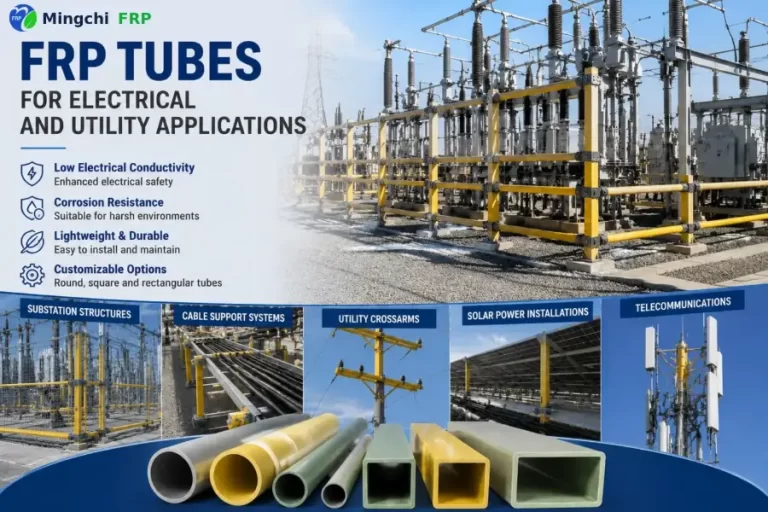
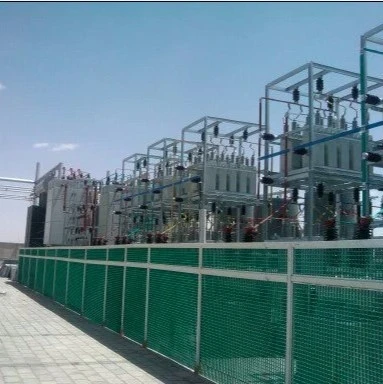
FRP materials are naturally non-conductive, making them ideal for electrical and utility applications where safety is critical.
- Improved electrical safety
- Non-conductive material properties
- Suitable for substations and cable systems
- Reduced risk of electrical hazards
🌡️ Thermal Insulation
Compared with metal structures, FRP offers lower thermal conductivity and improved temperature resistance.
- Reduced heat transfer
- Improved workplace safety
- Better thermal efficiency
- Suitable for temperature-sensitive environments
🔧 Low Maintenance Requirements
FRP structures require little maintenance throughout their service life.
- Consistent long-term appearance
- No regular repainting
- Reduced maintenance downtime
- Lower lifecycle costs
Technical Specifications of FRP Pultruded Profiles
Common Structural Shapes
| Profile Type | Typical Sizes |
|---|---|
| I Beam | 100×50 mm – 300×150 mm |
| Channel (C Section) | 50×25 mm – 300×90 mm |
| Angle | 40×40 mm – 150×150 mm |
| Square Tube | 25×25 mm – 200×200 mm |
| Round Tube | Ø20 mm – Ø200 mm |
Available Resin Systems
| Tipo de resina | Characteristics |
|---|---|
| Unsaturated Polyester (UP Resin) | Cost-effective solution with good mechanical properties and corrosion resistance for general industrial applications. |
| Vinyl Ester Resin (VE Resin) | Superior chemical and corrosion resistance, ideal for aggressive environments such as chemical plants and marine structures. |
| Epoxy Resin | Excellent mechanical strength, dimensional stability, and fatigue resistance for high-performance structural applications. |
| Polyurethane Resin (PU Resin) | High toughness, superior impact resistance, and enhanced load-bearing performance for demanding structural applications. |
Reference Mechanical Properties
| Property | Typical Value |
|---|---|
| Densidad | 1.5–1.9 g/cm³ |
| Resistencia a la tracción | 240–600 MPa |
| Resistencia a la flexión | 240–700 MPa |
| Elastic Modulus | 17–35 GPa |
Typical Applications of FRP Pultruded Profiles
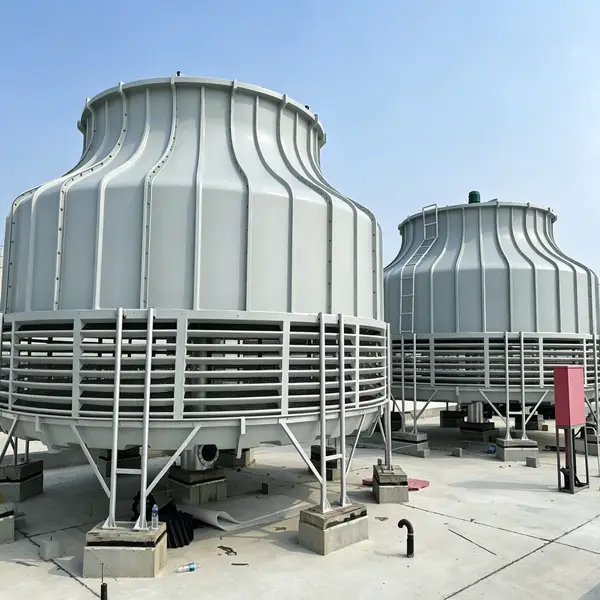
Estructuras de torres de refrigeración
Cooling towers operate in humid and corrosive environments where steel components are prone to rust and degradation.
FRP pultruded beams, columns, and support members provide a durable solution with reduced maintenance requirements and extended service life
Typical Components:
- Structural beams
- Support columns
- Pasarelas
- Plataformas de acceso
Chemical Equipment Support Structures
Chemical processing facilities require materials capable of withstanding aggressive chemicals and corrosive atmospheres.
FRP pultruded profiles are widely used for:
- Equipment support frames
- Pipe racks
- Maintenance platforms
- Process structures

Cable Tray Systems
Electrical facilities benefit from FRP’s non-conductive properties and corrosion resistance.
Aplicaciones comunes incluyen:
- Cable tray supports
- Utility tunnels
- Substations
- Renewable energy facilities
Building Structural Beams
FRP pultruded profiles are increasingly used in commercial and industrial construction projects.
Applications include:
- Roof support systems
- Secondary structural framing
- Pedestrian walkways
- Architectural support structures
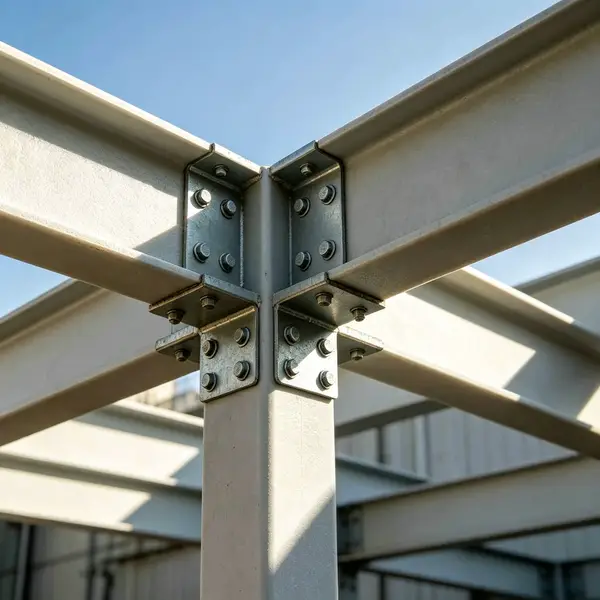
Custom FRP Pultruded Profile Capabilities
Every project has unique engineering requirements. We provide custom pultruded profile solutions tailored to specific applications.
Customization Options
Custom Lengths
- Cut-to-size production
- Long continuous profiles
- Project-specific dimensions
Custom Colors
- Gray
- Amarillo
- Verde
- Custom RAL colors

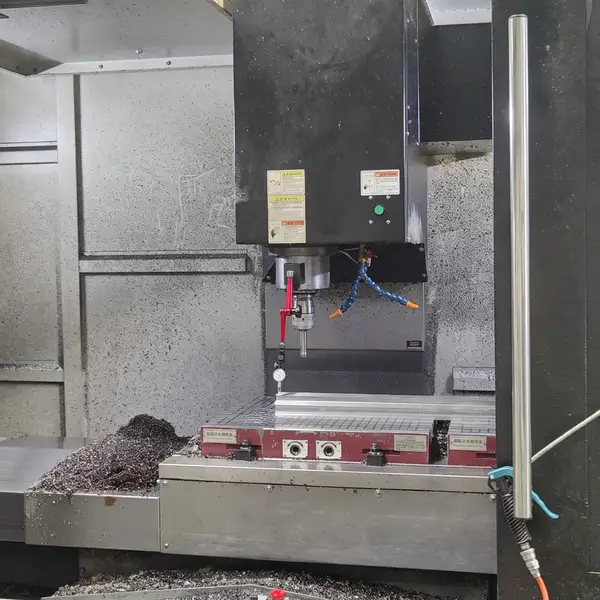
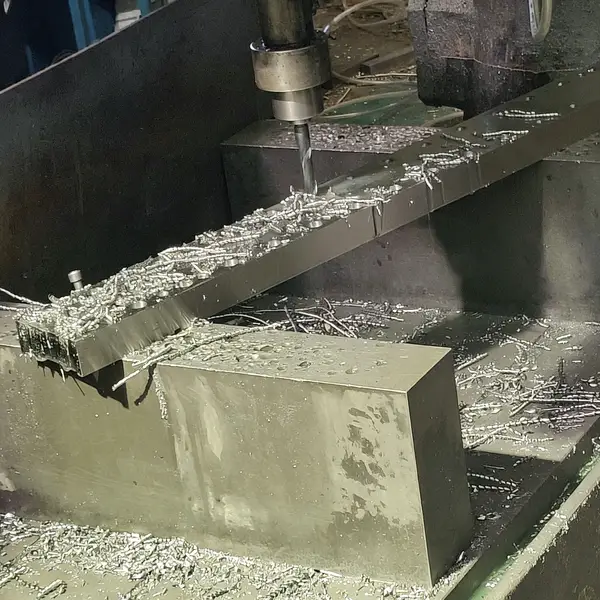
Fabrication Services
- Drilling
- Slotting
- Cutting
- Machining
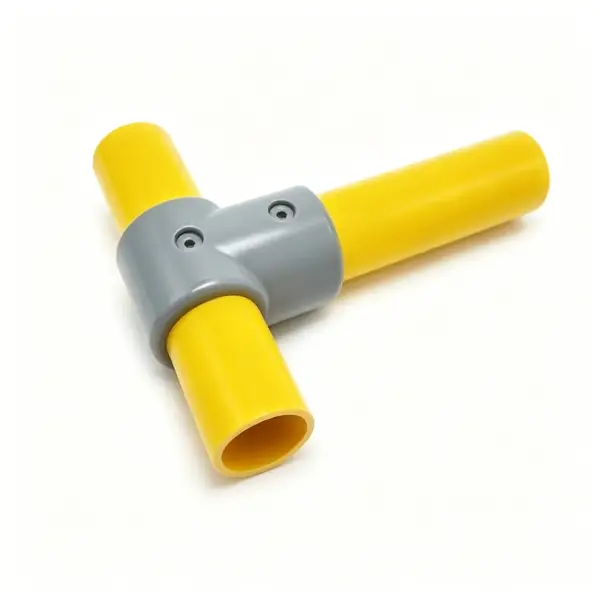
Connection Solutions
- FRP connectors
- Stainless steel fasteners
- Assembly-ready components
Our engineering team can assist with profile selection, structural calculations, and custom fabrication requirements.
Contact Us for Custom Pultruded Profiles
Looking for high-quality FRP pultruded profiles for your industrial project?
Whether you need standard structural shapes or fully customized fiberglass profiles, our team can provide expert recommendations and manufacturing support.
Contáctenos today for custom pultruded profiles—we provide free engineering support, technical consultation, and fast quotation services.