
Industries, marine fields and infrastructure use FRP structures widely. They own anti-corrosion traits, light weight and high strength. But FRP composites need regular careful checks. They keep overall structural stability well. FRP harms often hide unlike common materials. Internal splits and resin decay stay unseen easily. They later create safety risks and expensive breakdowns. This guide shares practical FRP inspection knowledge. It covers key methods, vital check zones and simple maintenance steps. And all tips support full proactive structure examinations.
What Are FRP Custom Profiles and How to Inspect Them for Long-Term Integrity?
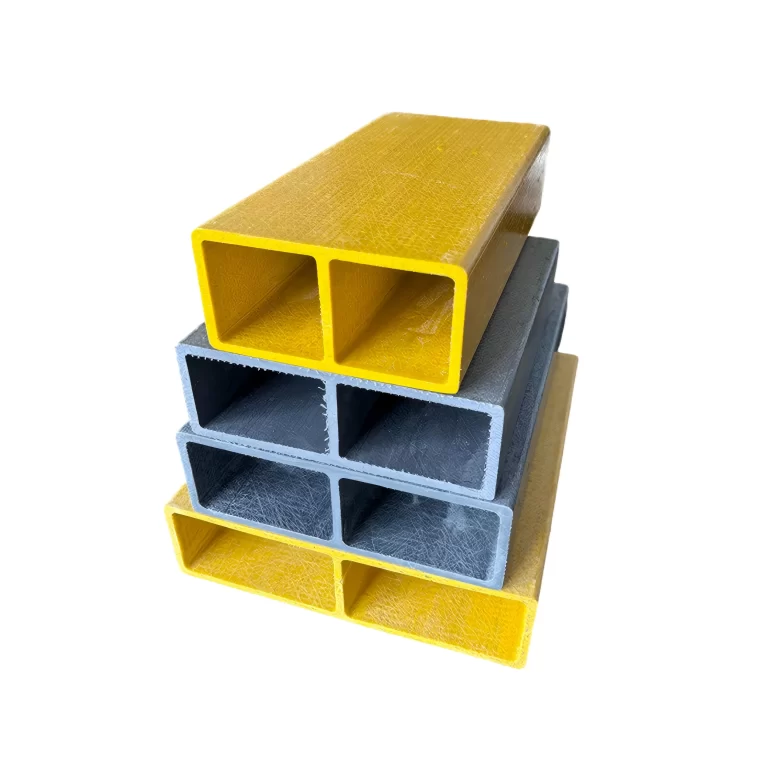
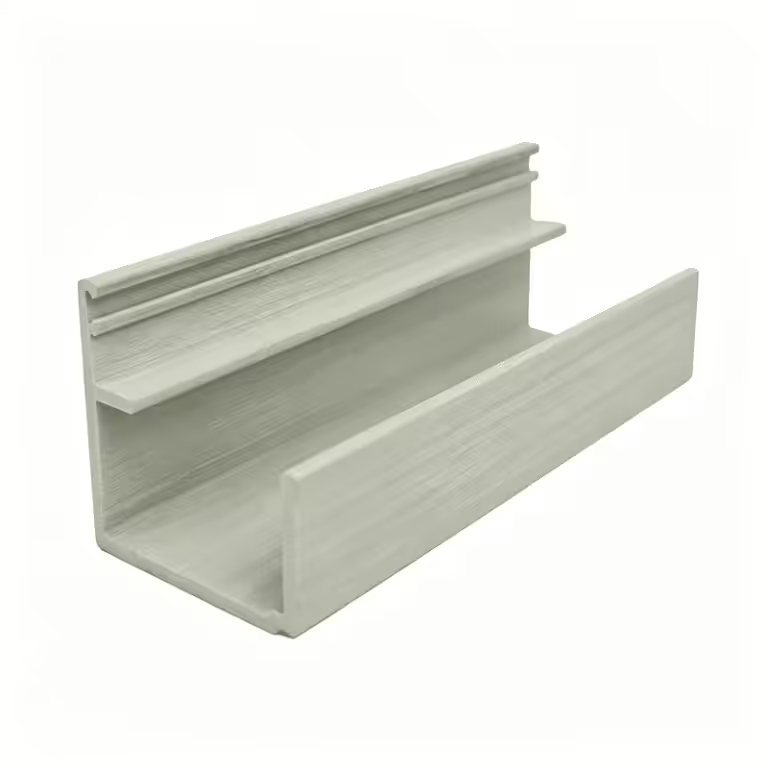
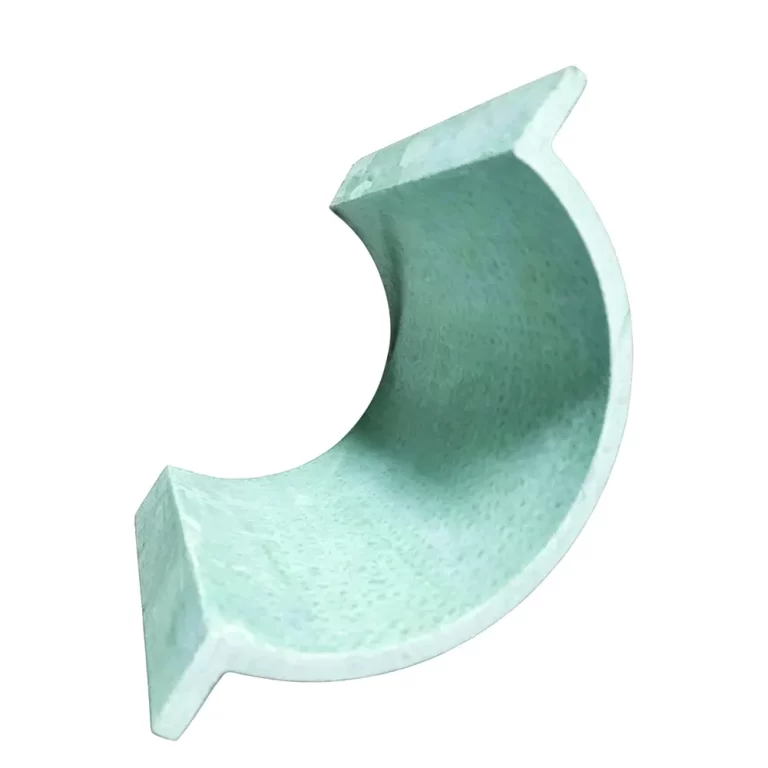
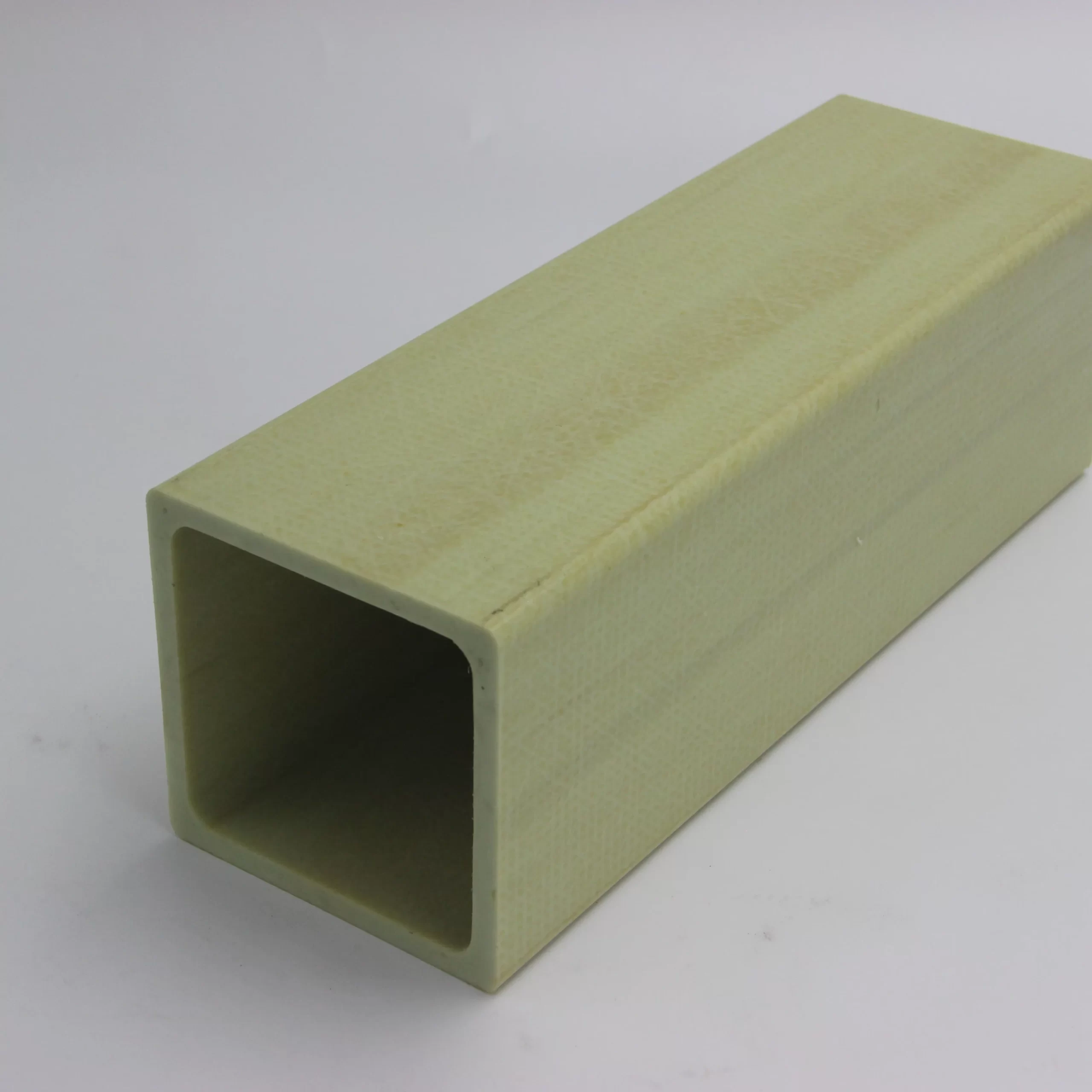
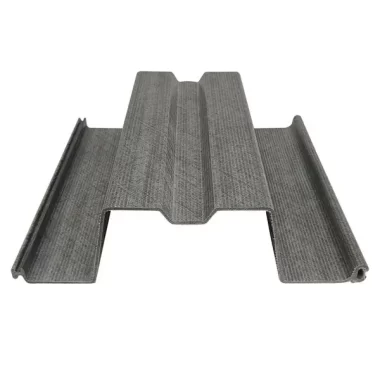
FRP custom profiles serve as tailored composite parts for exclusive structural demands. They include beams, brackets, rigging and vessel engine bed components. You must prioritize unique designs and heavy-load functions during inspection. Most profiles adapt to non-standard industrial applications. These include shaft outlets, rudder outlets and special connection structures. So you closely check load points and connecting joints. These spots easily suffer delamination, cracks and structural deformation. You combine visual checks with knock test methods. This practice detects internal hidden voids efficiently. And you also monitor resin aging and exposed fiber issues. These defects cause lasting structural safety problems.
What Material Is Rejilla FRP Made From, and How to Inspect It?
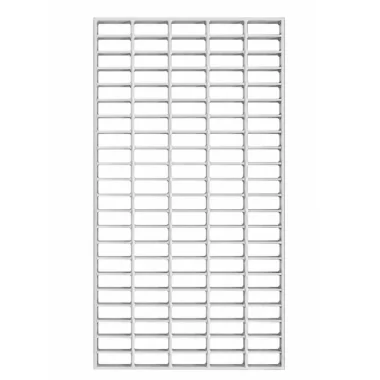
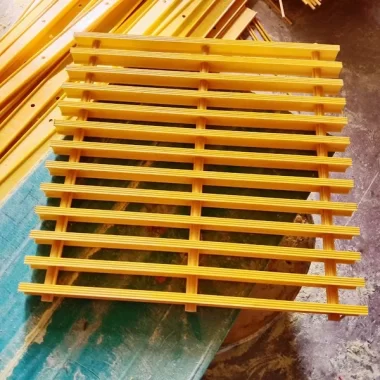
FRP grating blends glass fiber with resin base materials. It gains great slip resistance and corrosion tolerance. But it needs careful professional inspection. You check resin wear and exposed fiber defects. You also spot interlayer delamination and internal moisture buildup. Harsh surroundings harm grating heavily, because chemicals, UV and water attack surfaces easily. You apply visual checks for color fading and surface cracks. And thermography finds hidden subsurface structure flaws. The knock test also identifies panel delamination well. It stops early structural strength loss ahead of time.
What Benefits Do FRP Grating Stair Treads Offer, and How to Inspect Them for Integrity?
FRP grating stair treads outperform traditional metal or wood treads in durability and safety, but their integrity depends on regular inspection. To inspect FRP grating stair treads, focus on wear points, edges, and connections—high-traffic areas prone to surface damage, fiber blooming, or delamination. Use visual inspection to check for slip-resistance degradation, cracks, or discoloration (signs of UV or chemical damage). For hidden issues, the Barcol Hardness Test can assess resin cure quality and detect degradation from weathering or chemical attack, ensuring the treads maintain their safety and structural integrity long-term.
Core Inspection Techniques to Inspect FRP Structures
To thoroughly inspect FRP structures and detect both surface and internal damage, use these proven techniques—each tailored to address specific integrity risks:
1. Visual Inspection (Standard)
The foundation of any effort to inspect FRP structures, visual inspections involve regularly examining exposed surfaces for key warning signs: discoloration (indicative of UV or chemical degradation), cracks (small or large), fiber exposure (from resin erosion), and structural deflection or warping. Perform this technique routinely, as it is quick, cost-effective, and can catch early-stage damage before it escalates.
2. Ultrasonic Testing (NDT)
A critical non-destructive technique to inspect FRP structures for internal defects, ultrasonic testing uses high-frequency sound waves to detect hidden issues like delamination, voids, and thickness variations—especially in FRP piping, tanks, or thick structural panels. This method is essential for inspecting FRP structures where internal damage could go unnoticed by visual checks alone, such as industrial tanks or marine components.
3. Acoustic Emission Testing
This technique evaluates the health of FRP structures by listening to acoustic signals emitted from active damage mechanisms, such as fiber breakage or delamination. It is particularly useful for inspecting FRP structures under load, as it can detect damage as it occurs—allowing for proactive intervention before structural failure.
4. Barcol Hardness Test
To inspect FRP structures for resin degradation, use the Barcol Hardness Test, which measures surface hardness to assess the degree of resin cure. This test helps identify damage from chemical attack or weathering, as degraded resin will show lower hardness levels—signaling a risk to the structure’s long-term integrity.
5. Thermography
Thermography uses infrared cameras to detect temperature variations in FRP structures, which indicate subsurface defects or moisture absorption. This technique is ideal for inspecting FRP structures exposed to water or humidity (e.g., marine components or wastewater infrastructure), as it can reveal hidden moisture intrusion that weakens the composite bond.
6. “Knock” Test
A simple, quick method to inspect FRP structures for delamination or voids, the “Knock” Test involves tapping the surface with a hammer or coin. A solid, consistent sound indicates a healthy structure, while a hollow or dull sound signals delamination or internal voids—issues that compromise long-term integrity if left unaddressed.
Key Areas to Focus on When You Inspect FRP Structures
Not all areas of an FRP structure are equally prone to damage—prioritize these high-risk zones to ensure thorough inspection:
1. High-Stress Areas
When you inspect FRP structures, focus first on high-stress points: structural connections, beam joints, rigging, shaft/rudder outlets, and vessel engine beds. These areas bear the most load and are prone to delamination, cracks, or deflection—all of which threaten long-term integrity.
2. Environmental Exposure Points
Inspect FRP structures’ areas prone to environmental damage: UV exposure (which degrades resin), chemical contact (common in industrial settings), and heat. These points often show early signs of degradation, such as discoloration or fiber exposure, and require frequent checks.
3. Water Intrusion Points
For marine or wet-environment FRP structures, inspect through-hull fittings, bolts, and railing connections—these are common entry points for water. Moisture intrusion weakens the resin-fiber bond, leading to delamination and structural failure over time.
Long-Term Integrity Maintenance Steps After Inspecting FRP Structures
Inspecting FRP structures is only the first step—follow these maintenance steps to preserve their integrity long-term:
- Baseline Documentation: After your first inspection, create a detailed report to serve as a baseline. This allows you to measure future degradation against initial conditions, making it easier to spot subtle changes when you inspect FRP structures later.
- Regular Monitoring: Establish a scheduled inspection program—typically every 5 years for industrial tanks, with more frequent checks for high-exposure or critical FRP structures. Consistent monitoring ensures early detection of damage.
- Proactive Repairs: Address any damage found during inspection immediately. Surface cracks, fiber exposure, or minor delamination can be repaired quickly to prevent moisture intrusion and avoid more severe structural failure.
- Use Expert Evaluation: For critical FRP structures (e.g., industrial tanks, marine vessels), utilize professional inspection services to ensure specialized assessment. Expert evaluators have the tools and experience to inspect FRP structures thoroughly and identify hidden risks.
Final Thoughts
You need regular inspections to maintain FRP structural stability. You can adopt visual and NDT testing methods to detect early damage, solve issues promptly and extend product service life. This applies to profiles, pultruded components and FRP grating. Small defects can be avoided before becoming severe safety risks. Unexpected failures will raise expensive maintenance expenses. Mingchifrp manufactures durable high-quality FRP products, which ease daily inspection and sustain stable structural performance in all applications.