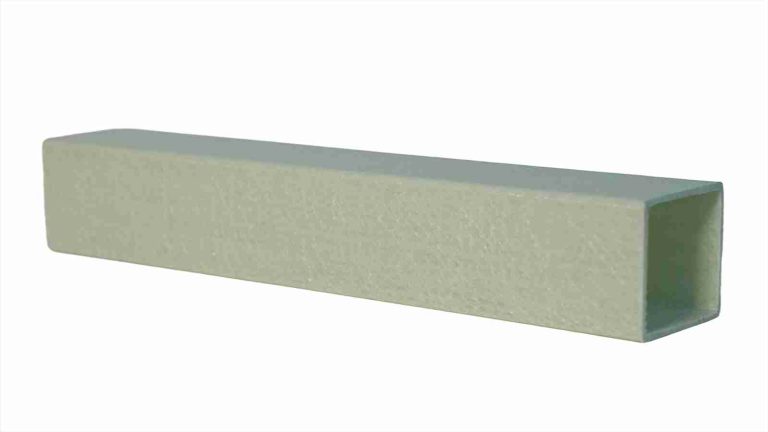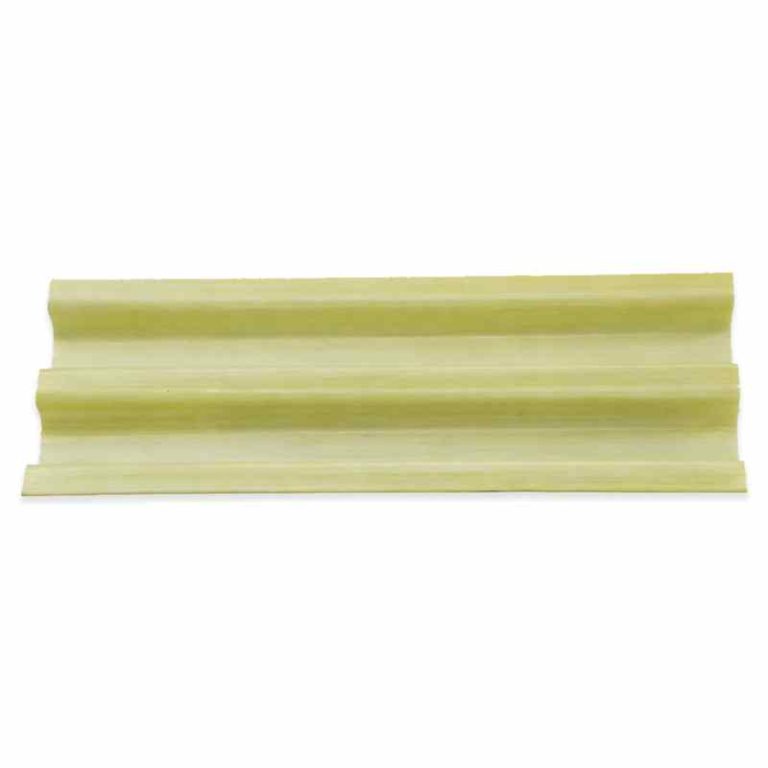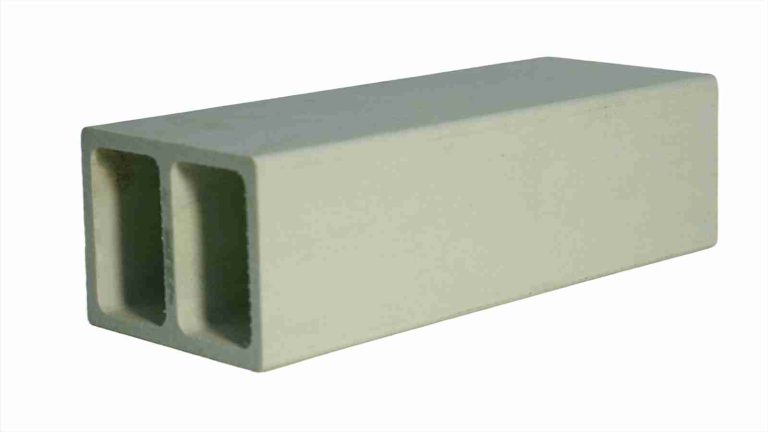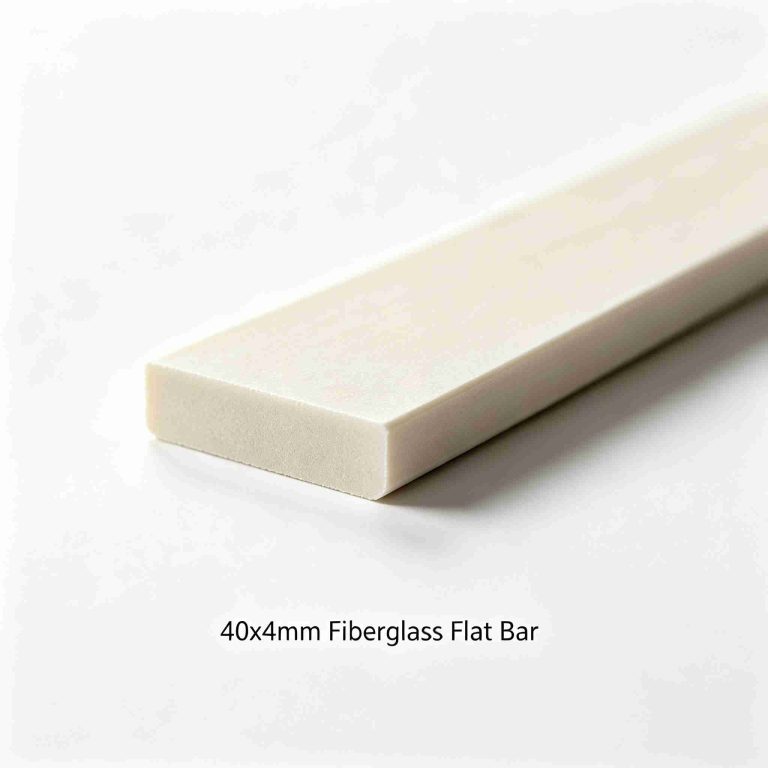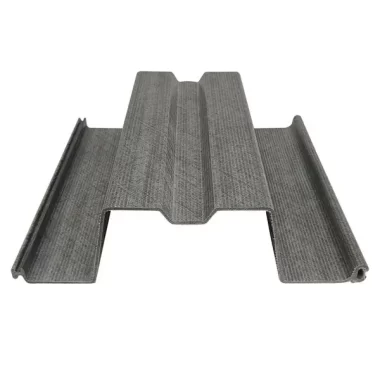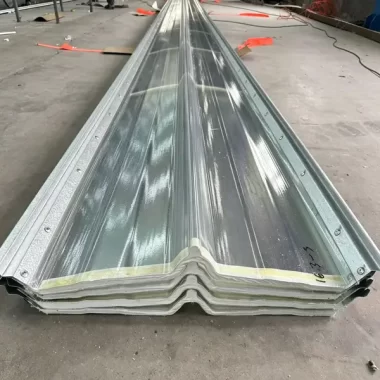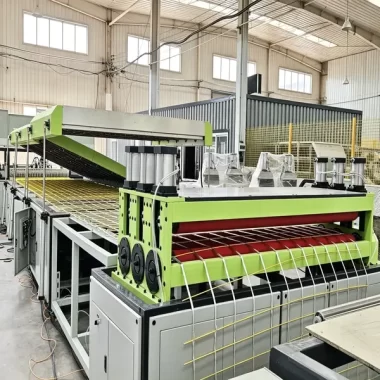

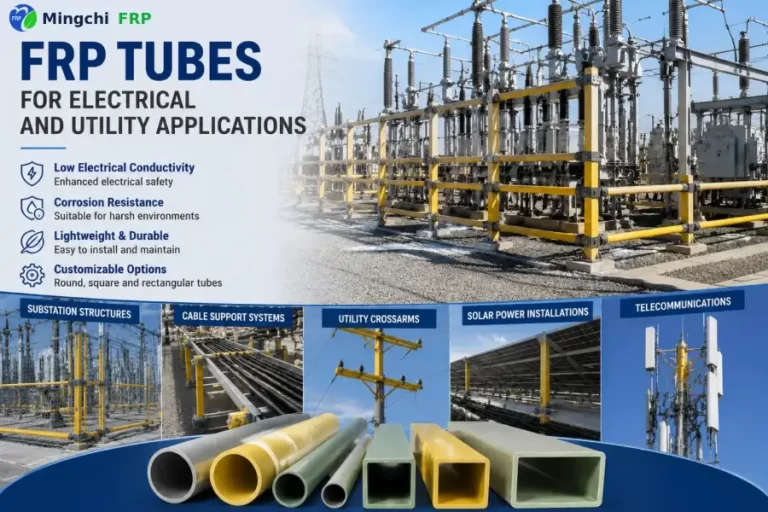
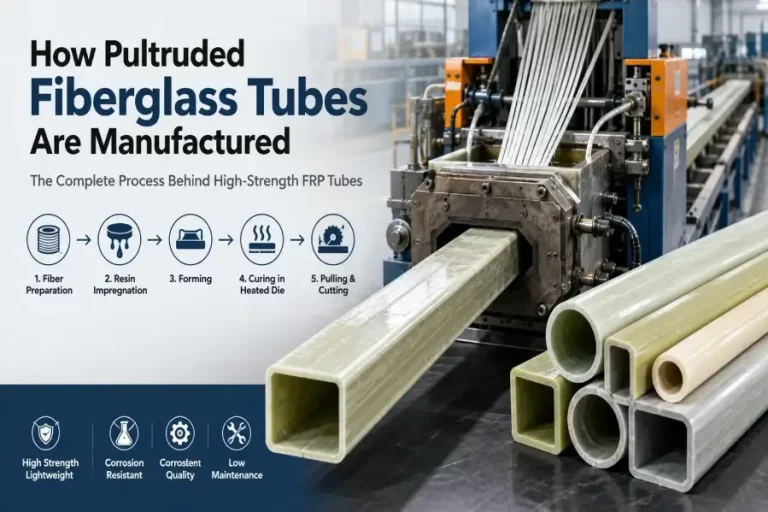
Choosing between pultruded and molded FRP depends on load requirements, environmental conditions, project scale, and budget. Each manufacturing method delivers distinct structural traits, durability levels, and application limits. Understanding their core features helps select the right FRP solution for industrial, infrastructure, and commercial projects.
Pultruded FRP (High Performance)
Best For
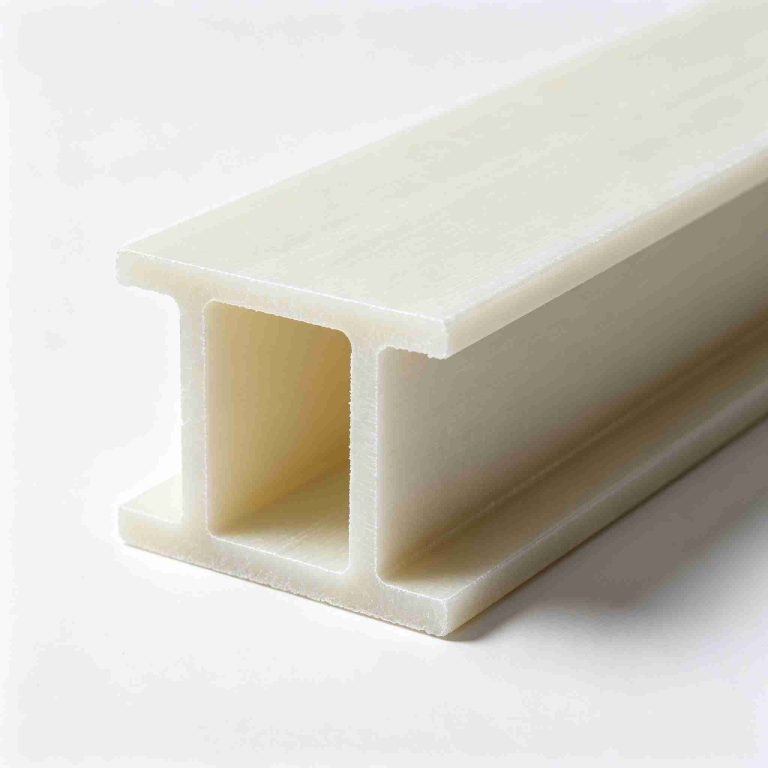
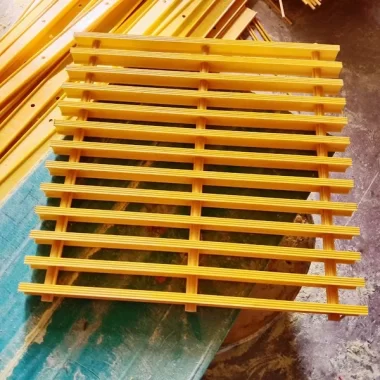
Pultruded FRP is ideal for long spans and heavy load-bearing scenarios, including industrial walkways, elevated platforms, structural support frames, and extended railings. It performs reliably in projects requiring continuous structural stability across extended distances.
Key Advantages
This material is stronger and stiffer than molded FRP, featuring outstanding unidirectional strength tailored to linear stress and weight distribution. Its rigid structure maintains stable performance under constant heavy pressure and long-term outdoor exposure.
Proceso de fabricación
Continuous fiberglass rovings are pulled through a full resin bath before entering heated tooling for curing and shaping. This controlled process creates a high glass-to-resin ratio that boosts overall structural rigidity and tensile performance.
Limitation
Pultruded FRP presents lower transverse strength when compared to its longitudinal performance, making it less suitable for applications with multi-directional impact or lateral force.
Molded FRP (High Versatility)
Best For
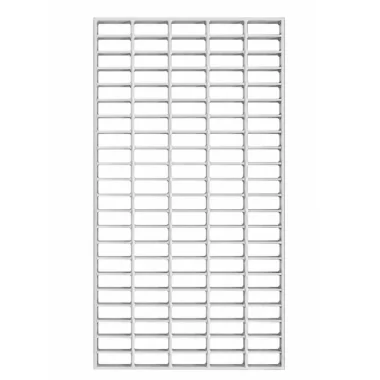
Molded FRP works best for short-span installations, highly corrosive zones, sites with regular chemical exposure, and locations requiring reliable impact resistance. Common uses include grating, small access structures, and chemical zone safety components.
Key Advantages
Molded FRP provides excellent bi-directional strength to handle multi-angle stress and physical impact. With a high resin-to-glass ratio, it achieves superior corrosion resistance and long-term durability in wet, acidic, or chemically harsh environments.
Proceso de fabricación
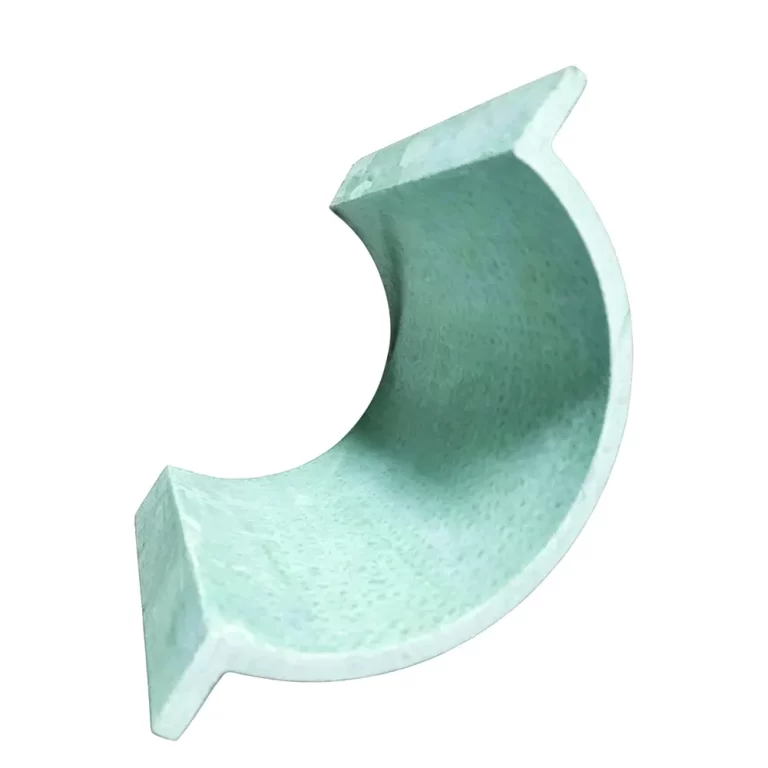
Multiple layered combinations of fiberglass and resin are cast inside custom molds, forming one solid, integrated finished piece. This molding method allows complex shapes and uniform resin coverage across the entire component.
Limitation
Due to material structure and production constraints, molded FRP has shorter and limited span capacity, restricting its use in large-scale long-distance structural builds.
Key Differences Summary
Load Bearing
Pultruded FRP is engineered to support heavy, one-way linear loads, delivering optimized strength for longitudinal structural demands. Molded FRP adapts better to scattered, multi-directional loads with balanced overall toughness.
Resistencia a la corrosión
Molded FRP typically offers superior corrosion resistance thanks to higher resin content that forms a thicker protective barrier against chemicals, moisture, and salt exposure. It remains stable in harsh industrial environments where metal and low-resin composites degrade quickly.
Eficiencia de costos
Molded FRP is generally more cost-effective for standard, short-span, and common industrial applications. Pultruded FRP carries a higher initial cost yet delivers long-term high-performance value for heavy structural and long-span projects.
Final Thoughts
Pultruded FRP excels in high-strength, long-span, heavy-load applications, while molded FRP provides flexible shapes, strong corrosion defense, and balanced bi-directional durability. Project scope, load type, environmental exposure, and budget will always define which manufacturing method delivers better overall results.
For reliable pultruded and molded FRP solutions tailored to unique site demands, choose mingchifrp. We deliver application-focused composite products with consistent quality, stable performance, and targeted cost efficiency for global industrial infrastructure.