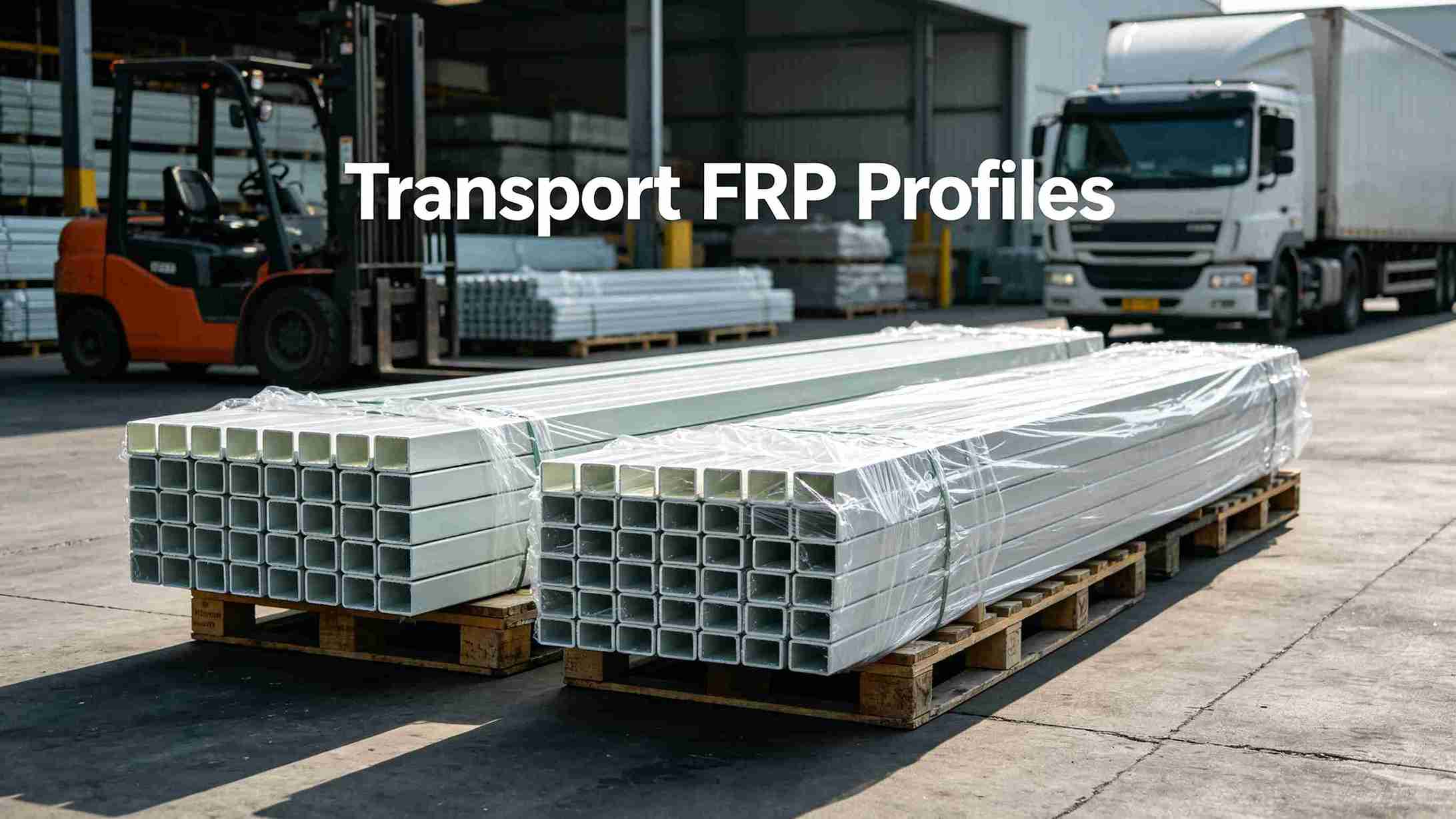
You must transport FRP profiles without damage. This protects their structure and avoids costly fixes. It also ensures they’re ready for job site installation. FRP profiles are durable but easy to scratch. They can crack or get fiber damage if mishandled. This guide gives step-by-step safe transport tips. It focuses only on practical, easy-to-do measures. No extra explanations—just proven ways to prevent transit damage.
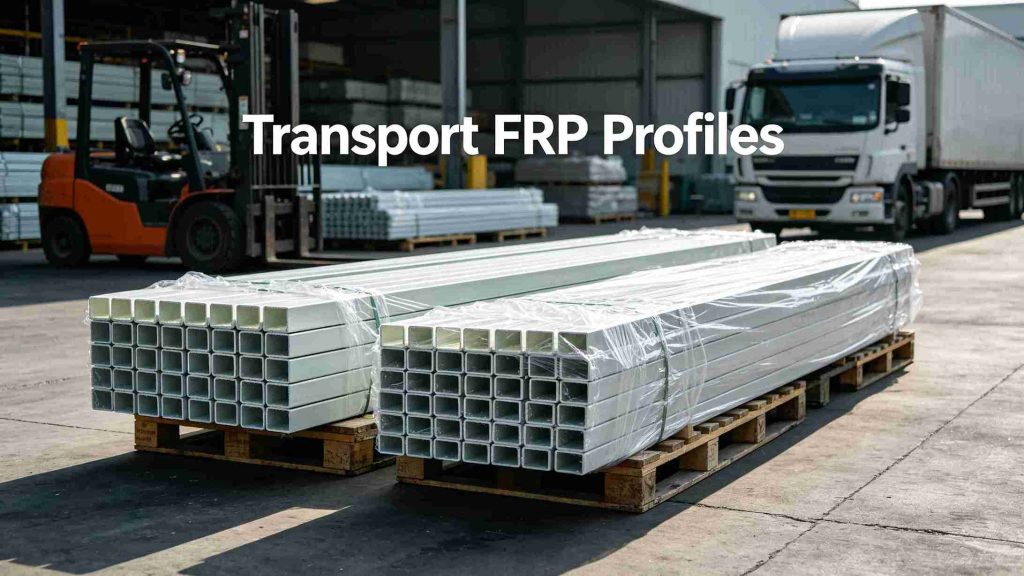
Key Transportation Guidelines for Damage-Free FRP Profiles
The success of transporting FRP profiles lies in following strict guidelines that address loading, securing, handling, and pre-transit preparation. Each step is designed to protect the profiles from common transit-related damage, ensuring they remain intact from warehouse to job site.
1. Inspect Before Loading
You inspect trailer beds fully before loading FRP profiles. You clear all debris to remove transport risks. Remove screws, stones and sharp metal scraps entirely. These hard objects scratch profile surfaces easily. A flat clean bed stops most surface abrasion damage. Because slight cargo shifts rub against tiny particles badly. And you also check even trailer base surfaces well. Uneven spots create harmful concentrated load pressure.
2. Prevent Point Loading
Concentrated point load harms FRP profile surfaces greatly. It brings cracks, stress breaks and permanent shape distortion. You use padded saddles and rubber mats to spread weight evenly. These supports keep even pressure on full profile length. And they stop harmful single-point stress damage well. You space supports evenly for long FRP profiles. So keep all supports away from fragile profile ends.
3. Load Separation
FRP profiles get damaged easily by direct metal contact. Hard trailer surfaces scratch and harm inner fibers. You keep profiles away from all steel and metal parts. Use wood blocks and thick padding for effective separation. And add cushion layers between stacked profile units. This stops friction abrasion during whole transit periods. It also protects resin layers and avoids exposed glass fibers.
4. Handling & Lifting: Safe Loading/Unloading
Proper lifting steps stop FRP profile damage before delivery. You lift parts with wide nylon slings only. Hard chains scratch FRP resin and inner fibers. So never contact profiles with direct metal hardware. You place slings evenly for balanced weight load. This avoids profile bending, twist and stress cracks. And you use more slings for long heavy units. Slow steady lifts prevent sudden harmful movements. You also skip metal claws and bare clamps. They scratch surfaces and crush composite structures easily.
5. Securement Straps: Keep Profiles Stable
You fasten loaded FRP profiles to stop cargo shifting. Free movement leads to cracks and surface abrasion. You use soft nylon straps with foam padding. They hold profiles steady without surface scratches. Do not tighten straps with too much force. Over-tightening creates stress cracks and structure damage. And you place straps evenly along whole profile length. This secures every part of your loaded goods well.
6. Avoid Dragging
You never slide, roll or drag FRP profiles on hard surfaces. Dragging rubs surfaces and causes scratches and cracks. You lift profiles slightly during manual handling. And you use padded dollies for short-distance moves. You apply proper tools for long heavy FRP units. So you avoid direct hard surface contact fully. You add protective covers if dragging becomes necessary. Covers reduce overall surface damage effectively.
Additional Tips for Safe FRP Profile Transport
- Always transport FRP profiles horizontally, as vertical transport can cause bending or warping over time.
- If transporting FRP profiles in extreme weather (hot or cold), take extra precautions—extreme heat can soften the resin, while extreme cold can make the material more brittle, increasing the risk of damage.
- Secure loose ends of the profiles with padding to prevent them from bouncing or shifting during transit.
- After transport, inspect the profiles again to check for any damage that may have occurred during transit—address small scratches or fiber exposure immediately to prevent long-term degradation .
Final Thoughts
Transporting FRP profiles without damage requires attention to detail and adherence to the guidelines outlined above. By inspecting the trailer before loading, preventing point loading, separating loads, using proper handling and lifting techniques, securing profiles with padded straps, and avoiding dragging, you can ensure your FRP profiles arrive at the job site in perfect condition. For high-quality, durable FRP profiles that are designed to withstand safe transit and deliver long-term performance, trust mingchifrp. Our engineered FRP profiles are manufactured with robust resin systems and reinforced fibers, making them more resilient during transport—paired with these transportation best practices, you’ll eliminate damage and keep your projects on track.