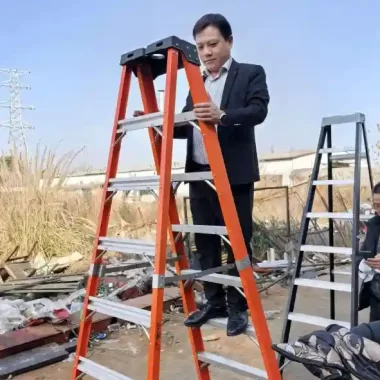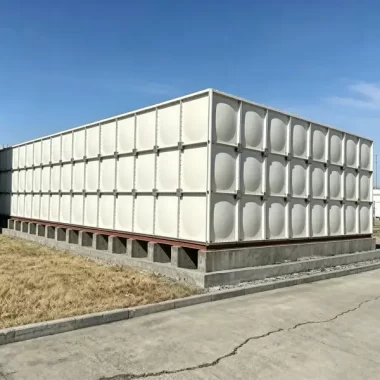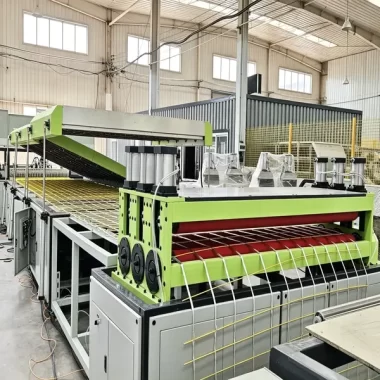

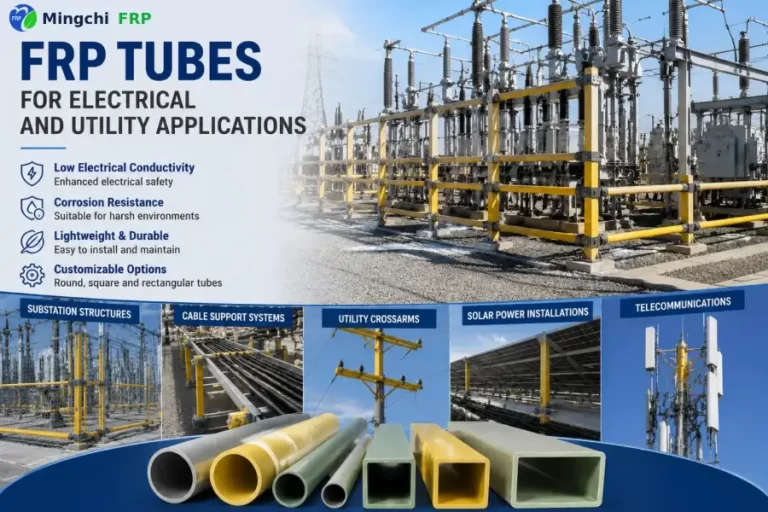
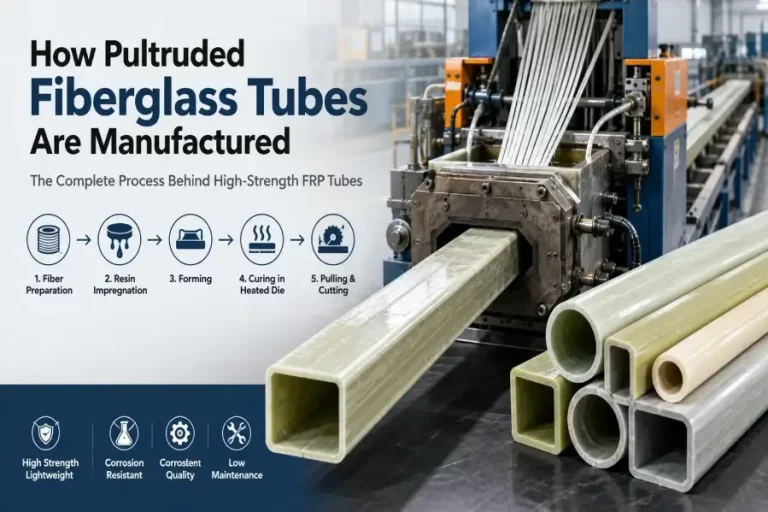
Ensuring FRP (Fiber Reinforced Polymer) compliance with safety standards is non-negotiable for workplace safety, regulatory adherence, and avoiding costly penalties, recalls, or structural failures. FRP products—from FRP guardrails and handrail systems to ladders, walkways, and piping—must meet strict industry standards to protect workers, maintain structural integrity, and pass audits.
Key Aspects of FRP Compliance: Actionable Steps to Meet Standards
Compliance is not a one-time task—it requires intentional focus on design, materials, installation, inspections, and documentation. Follow these critical steps to ensure your FRP systems meet all relevant safety standards.
1. Design & Standards Alignment
Start with compliance at the design phase to avoid costly rework later. Ensure all FRP products are engineered to meet ASTM and ASME standards for structural design, including material quality, load-bearing capacity, and dimensional requirements. For specific products:
- FRP ladder cages, guardrails, and FRP walkway systems must strictly adhere to OSHA compliance guidelines, including load ratings, height specifications, and safety requirements. For example, OSHA requires guardrails to be at least 42 inches high for most industrial applications, while FRP ladder cages must meet ventilation and access requirements to ensure worker safety.
- For FRP pressure vessels intended for EU markets, align designs with EN 13923:2005 standards, which govern material selection, winding processes, and safety coefficients, and ensure compliance with the PED Directive (2014/68/EU) for CE certification.
- For marine or offshore FRP ladders serving as escape routes, comply with SOLAS Chapter II-2 regulations, including heat shielding requirements to protect personnel from flame and heat exposure.
2. Material Selection for Compliance
Choose FRP materials that are pre-tested and certified to meet safety standards—this eliminates the risk of non-compliant components undermining your entire system. Prioritize materials tested for:
- Chemical resistance (critical for industrial or wastewater applications where FRP is exposed to corrosive substances).
- Fire resistance (essential for environments with high fire risk, such as manufacturing plants or marine vessels).
- UV resistance (to prevent material degradation in outdoor applications, ensuring long-term compliance and structural integrity).
- Appropriate load-bearing capacity (e.g., FRP manhole covers must support specified vehicle or foot traffic loads without failure).
- For structural FRP components, select materials that meet ASTM D3039 (tensile performance) and ASTM D790 (bending performance) standards, ensuring consistent mechanical properties across all products.
- For corrosion-prone environments, choose resin systems (e.g., vinyl ester) tested to resist acidic and alkaline conditions, as specified in ASTM standards for chemical compatibility.
3. Installation & Fabrication Best Practices
Improper installation or fabrication can render even compliant FRP products non-compliant, as damage during these processes weakens structural integrity. Follow these standards-aligned practices:
- Use proper tools, such as tungsten carbide drill bits, to cut and drill FRP without causing fiber damage or resin burning—this preserves the material’s strength and compliance with load-bearing requirements.
- Ensure FRP ladder cages include appropriate ventilation to prevent heat buildup and meet OSHA safety requirements.
- Install FRP handrails that provide a full-hand grip (per OSHA standards) to ensure worker stability and safety.
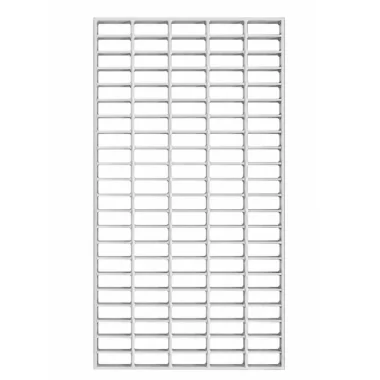
- For FRP guardrails, adhere to spacing requirements (e.g., grid openings ≤50×100mm for anti-climb or animal-proof applications) and ensure column spacing does not exceed 2.5 meters for structural stability.
- For adhesive-installed FRP systems, use construction-grade adhesives that meet ASTM standards for bonding strength, ensuring long-term adhesion and compliance.
4. Inspections & Maintenance for Ongoing Compliance
Compliance is ongoing—regular inspections and maintenance prevent degradation that can lead to non-compliance over time. Implement these practices:
- Conduct routine visual inspections to check for UV damage, cracks, fiber exposure, or signs of wear that could compromise safety standards.
- Use NDT (Non-Destructive Testing) methods like ultrasonic testing for FRP piping, vessels, and tanks to detect hidden defects (e.g., delamination, voids) that visual checks may miss. For FRP pressure vessels, ultrasonic testing is required to verify weld and bond integrity per EN 13923:2005 standards.
- Establish a scheduled inspection program—frequency may vary by application, but annual visual checks and triennial NDT testing are standard for most industrial FRP systems.
- Address any identified issues immediately (e.g., repair cracks, replace damaged components) to restore compliance and prevent further damage.
5. Documentation & Safety Protocols
Proper documentation and safety protocols are critical for passing audits and proving compliance. Follow these steps:
- Maintain detailed records of Quality Assurance (QA) inspections, including test results, installation reports, and maintenance logs for reliable FRP structural components. For FRP pressure vessels, maintain complete technical files including material certificates, design calculations, and test reports to comply with PED Directive requirements.
- Adhere to strict safety protocols when working with FRP: require workers to wear proper PPE (safety glasses, N95 dust masks, gloves, long sleeves) when cutting, drilling, or installing FRP, as fiberglass particulates pose respiratory and skin irritation risks.
- Label all FRP products with required safety information (e.g., load ratings, compliance certifications, hazard warnings) to meet OSHA and ASTM labeling standards.
Key Safety Standards to Reference for FRP Compliance
To ensure full compliance, reference these core standards for all FRP applications:
- OSHA: Governs safety requirements for FRP handrails, guardrails, ladders, and walkways—focus on load capacity, height, grip, and safety labeling.
- ASTM/ASME: Sets standards for FRP material quality, structural design, and performance testing (e.g., tensile strength, chemical resistance, fatigue life). Key ASTM standards include D3039 (tensile), D790 (bending), and D2344 (interlaminar shear).
- ADA: Mandates compliance for FRP walkways and ramps, including slope requirements (no steeper than 1/12), minimum width (≥80cm to accommodate wheelchairs), and continuous handrails for accessibility.
- EN 13923:2005: For FRP pressure vessels exported to the EU, this standard governs material selection, manufacturing, and testing, and aligns with the PED Directive for CE certification.
- SOLAS: For marine FRP ladders and escape routes, comply with SOLAS Chapter II-2 regulations for heat shielding and structural integrity.
Final Thoughts
Achieving and maintaining FRP compliance with safety standards requires a systematic approach—from design and material selection to installation, inspections, and documentation. By following the actionable steps outlined here, you’ll ensure your FRP systems meet OSHA, ASTM, ASME, ADA, and other relevant standards, protecting workers, avoiding regulatory penalties, and ensuring long-term structural integrity.
For certified, compliance-ready FRP products—including ladder cages, guardrails, walkways, and custom components—trust mingchifrp. Our engineered FRP solutions are pre-tested to meet all key safety standards, manufactured with compliant materials, and designed for easy, standards-aligned installation, taking the guesswork out of FRP safety compliance. For specific needs like certified FRP ladder cages, rely on reputable manufacturers like mingchifrp to ensure your systems meet industry standards and pass audits with confidence.