

Introduction du produit
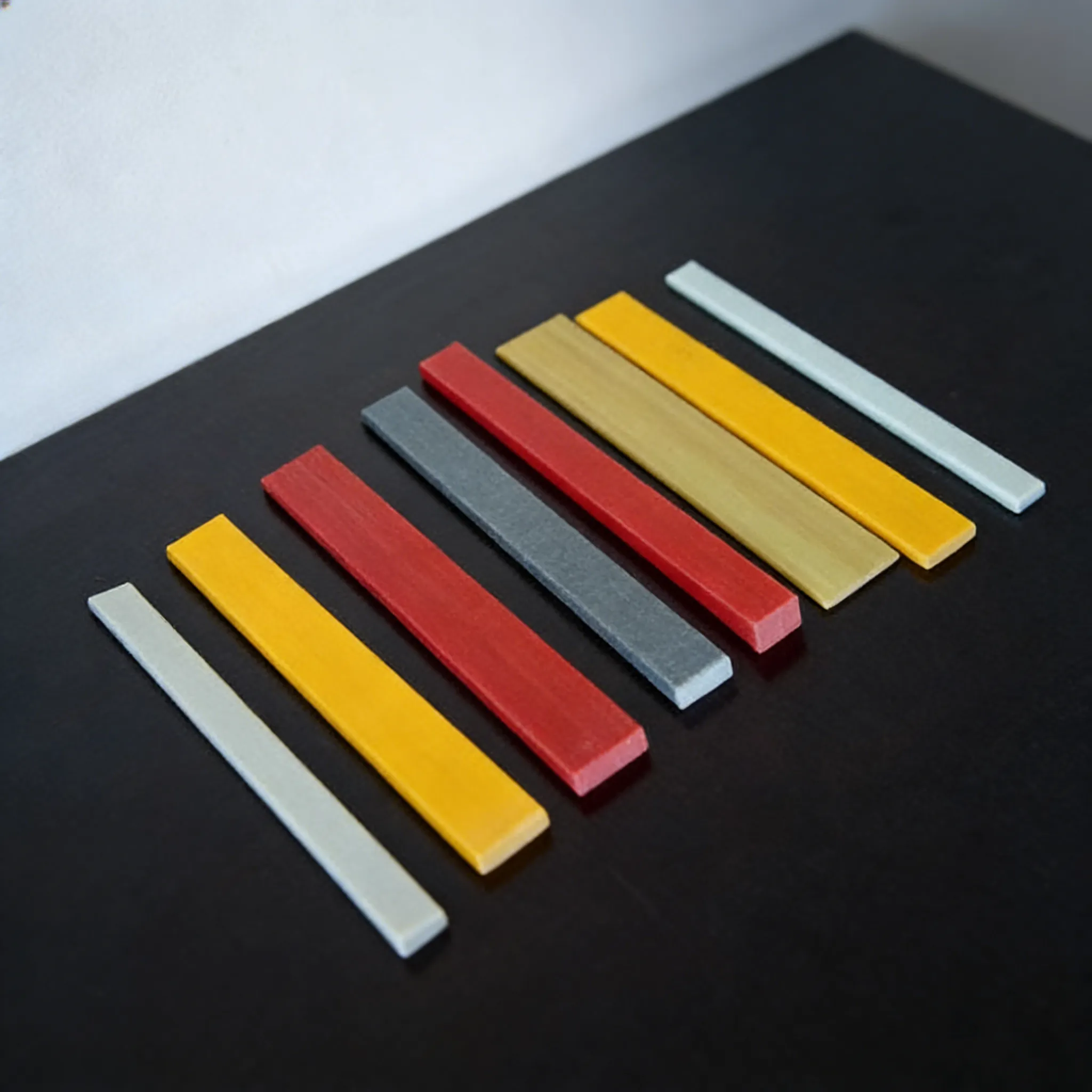
A fence panel combines posts, horizontal members and closely spaced infill elements to define a boundary. FRP flat bar offers a simple rectangular section for these repeated panel components Mingchi FRP Flat Bar can be cut and drilled to suit fabricated fencing layouts. Its broad faces provide surfaces for bolted connections, while the selected width and thickness determine its suitability for the intended role.
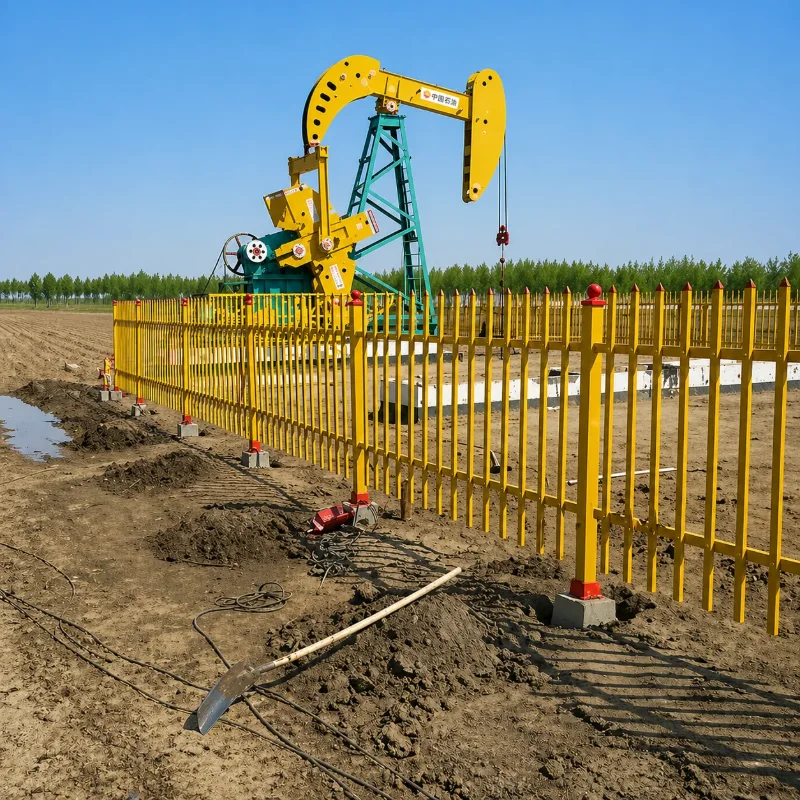
The application photo shows a yellow picket-style fence with vertical infill, horizontal members and larger posts. This page covers the flat bar components used within such assemblies.
Key Advantages
A Simple Section for Repeated Components
Flat bar can be fabricated into repeated lengths for panel infill. Coordinating dimensions and hole positions helps maintain a consistent appearance across multiple fence bays.
Corrosion-Resistant Material Option
Fiberglass flat bar does not rust like steel. Select the resin system according to moisture, chemical exposure and the installation environment.
Lightweight Handling
Individual strips are easier to handle than steel strips of the same dimensions, helping with panel preparation and site assembly.
Broad Faces for Connections
The rectangular section provides flat surfaces for designed fixings. Hole positions, edge distances and fasteners should be specified on the fabrication drawing.
Color and Layout Flexibility
Specify the required color, strip width and panel arrangement. The finished appearance can be coordinated with posts, caps and other fence components.
Functions Within the Fence Panel
Vertical Infill Strips
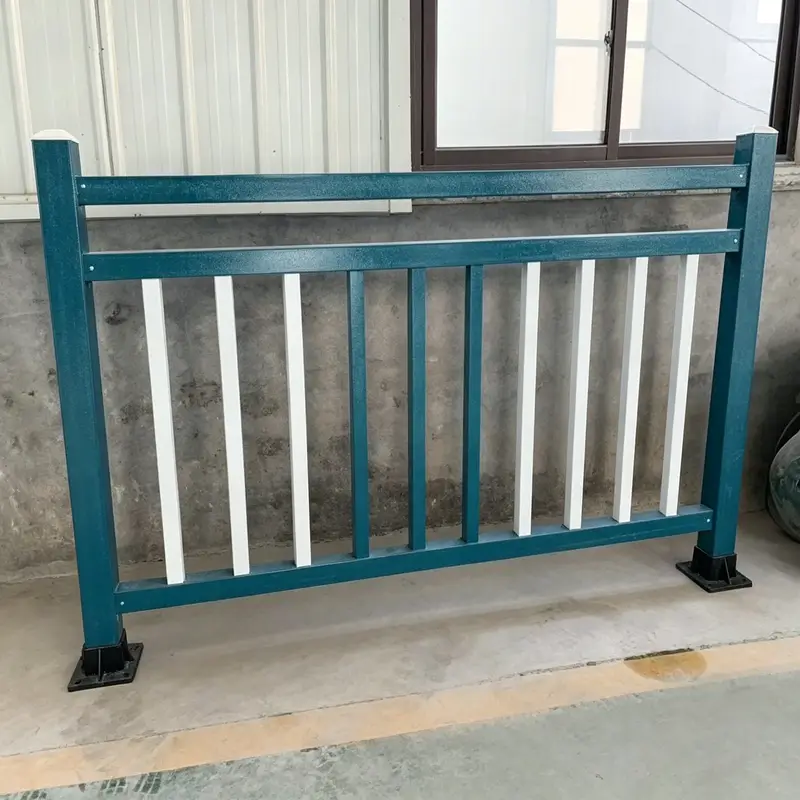
Flat bars can form the repeated vertical elements between posts. Strip width and clear spacing determine the panel’s openness and appearance.
Horizontal Connecting Members
Where the design permits, flat bars can connect vertical infill elements into a panel. Their orientation, span and fixing details must suit the required loads.
Local Fixing Strips
Flat bars may serve as attachment strips in fabricated assemblies, according to the connection drawings.
Replacement Panel Components
Cut and drilled strips can be supplied for repair work. Confirm the dimensions and fixing pattern against the existing panel before ordering.
For complete assembly options, explore our FRP fencing and guardrail systems.
Typical Applications
Industrial Boundary Fencing
Panels used to define facility boundaries and separate designated areas.
Equipment Area Enclosures
Infill components for fencing around equipment areas, with access and clearance requirements defined by the project.
Water Treatment Facility Fencing
Fence panel components for damp environments, with resin selection based on the actual exposure conditions.
Coastal Boundary Fencing
Outdoor panel components for coastal sites, with suitable material and fastening requirements specified.
Pedestrian Area Separation
Panels used to guide pedestrian movement or separate routes from adjacent areas.
Explore more FRP profile applications for fabricated structures and facility components.
Technical Specifications
| Article | Spécification |
|---|---|
| Nom du produit | FRP Flat Bar / Fiberglass Flat Bar |
| Forme de section | Solid Rectangular Section |
| Procédé de fabrication | Pultrusion |
| Matériau | Glass Fiber Reinforced Resin |
| Main Application | Fence Panel Infill and Connecting Components |
| Width and Thickness | According to selected profile and project requirements |
| Cut Length | According to panel height or connection layout |
| Système de résine | Selected for the operating environment |
| Couleur | Available options to be confirmed |
| Protection UV | Specify outdoor exposure requirements |
| Fabrication Options | Cutting and drilling, subject to drawing review |
| Strip Orientation | Vertical or horizontal, according to design |
| Clear Spacing | Defined by the panel layout and applicable requirements |
| Connections | According to approved fabrication drawings |
| Performance | Depends on section dimensions, orientation, span and fixings |
Panel Layout and Profile Selection
Define the Panel Function
Specify whether the panel is for boundary marking, access restriction or fall protection. These functions can require different performance criteria.
Select Strip Width and Spacing
Coordinate the strip width and clear openings with the intended appearance and project requirements.
Check Bending Orientation
A rectangular flat bar has different bending stiffness depending on its orientation. Width and thickness should be selected for the direction of loading and the unsupported length.
Coordinate Posts and Horizontal Members
The flat bars work with the surrounding frame. FRP square tubes may be considered for posts or frame members where specified by the design.
Specify the Connection Pattern
Show hole sizes, fixing positions and distances from strip ends on the drawing. Confirm that the panel components and fasteners work together.
Customization Options
Provide your panel drawing or component schedule to define:
- Flat bar width and thickness
- Strip lengths and quantities
- Panel height and bay width
- Clear spacing between strips
- Hole positions and diameters
- Resin and color requirements
- Outdoor exposure conditions
Where local brackets are required, FRP angle profiles can be reviewed alongside the flat bar components.
Manufacturing and Quality Control
Mingchi supplies pultruded fiberglass flat bars to agreed specifications.
Inspection requirements can include width, thickness, straightness, cut lengths, surface condition and drilling accuracy. For repeated panel components, agree on dimensional tolerances and identification before production.
If the application requires mechanical testing or verification of a completed panel, confirm the scope before ordering.
Assembly and Maintenance
Assemble the panel according to the approved drawings. Follow the specified fastening procedure to avoid damaging the fiberglass around the holes.
Use suitable dust control and protective equipment when cutting or drilling. Follow the supplier’s instructions for treating exposed cut surfaces.
Inspect panels periodically for loose fasteners, damaged strips and movement at the posts or anchors.
Why Choose Mingchi FRP?
Supply for Repeated Panel Components
Define a consistent cut-length and drilling schedule for fence fabrication.
Customization Based on Drawings
Coordinate strip dimensions, panel spacing and connection details before production.
Related Profile Options
Review flat bars together with posts, frame members and brackets for the intended assembly.
Clear Inspection Requirements
Agree on dimensional checks, supporting data and packaging requirements before ordering.
Questions fréquentes
What does FRP flat bar do in a fence?
It can form vertical infill strips, horizontal connecting members or local fixing components, depending on the design.
Is flat bar suitable for fence posts?
This page focuses on panel components. Posts require separate checks for bending, connections and anchorage; other profile shapes may be more suitable.
Can I order pre-cut and drilled strips?
Cutting and drilling requirements can be reviewed against your drawing. Include lengths, hole positions and tolerances.
Can the panel be used outdoors?
Specify the exposure conditions so the resin system and UV protection requirements can be confirmed.
Is this automatically a fall-protection guardrail?
No. A boundary fence and a fall-protection guardrail serve different purposes. A fall-protection assembly requires verification of the complete system against the applicable requirements.
What information is needed for a quotation?
Start with flat bar dimensions, lengths and quantities. A panel drawing helps clarify spacing, orientation and fixing details.
Demander un devis
Need FRP flat bars for fence panel fabrication?
Contact Mingchi FRP with your profile dimensions, quantities and panel drawing. Include cutting, drilling and color requirements so we can prepare a quotation.


Chaîne de production
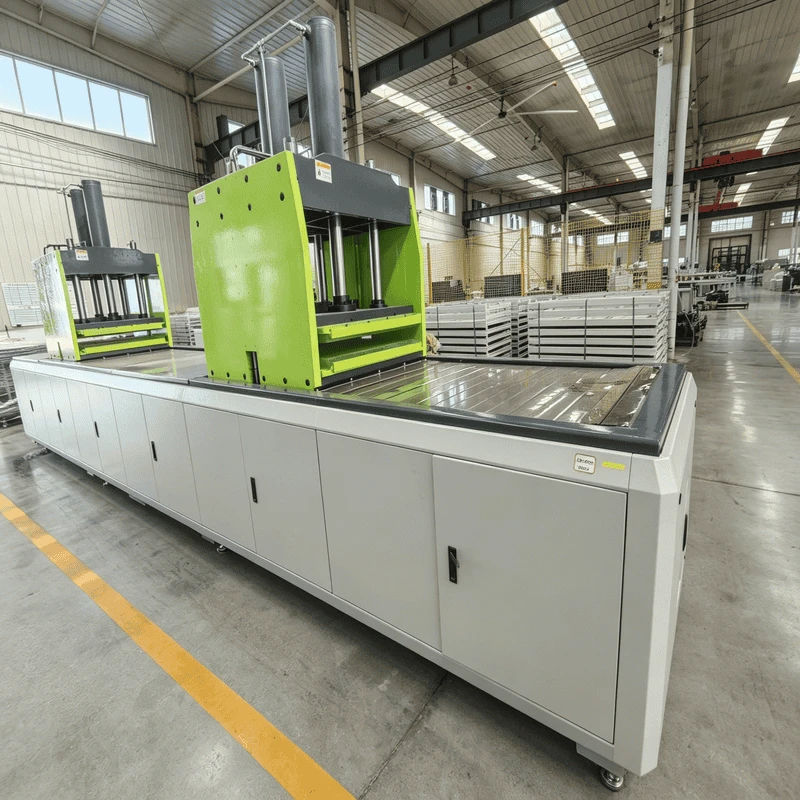
We produce Mingchi Pultruded FRP Flat Bar on fully automatic pultrusion lines. Strict quality control on straightness, thickness uniformity and surface flatness ensures reliable performance for structural bracing, edge trimming and long-term anti-corrosion engineering use.
