
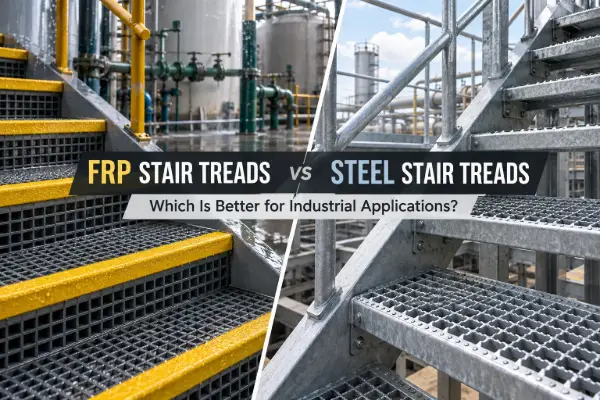

Bridge walkways are critical for inspection, maintenance, safety access, and pedestrian flow on highway and railway bridges. Traditional walkways often suffer from corrosion, rot, high upkeep, and short service life—especially in coastal, de-icing salt, and high-humidity environments. FRP (Fiber-Reinforced Polymer) walkways deliver a high-performance, long-life alternative that cuts lifecycle costs while boosting safety and durability.
What Are FRP Bridge Walkways?
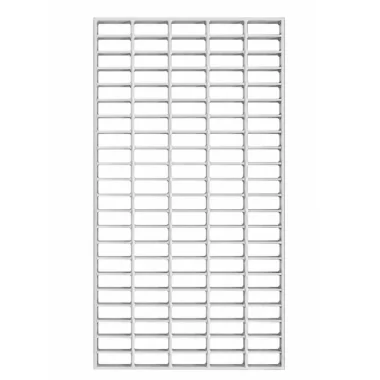
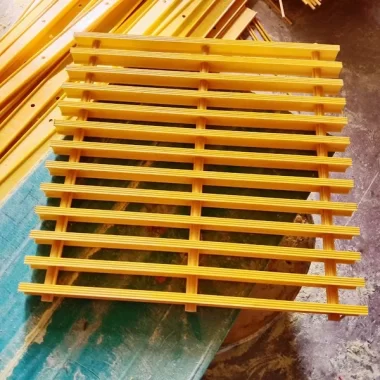
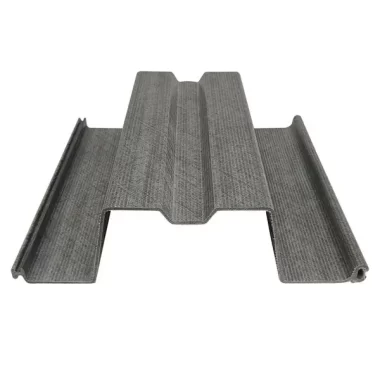
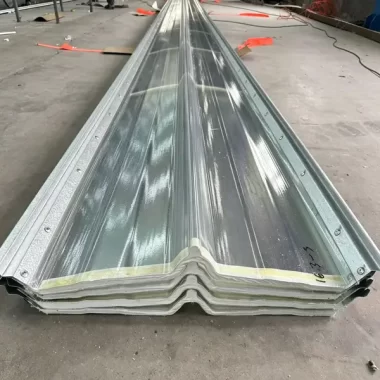
FRP (fiberglass-reinforced polymer) bridge walkways are lightweight, high-strength systems made via pultrusion, combining fiberglass reinforcement and advanced resins. Engineered for bridge loads, weathering, and pedestrian use, they include molded grating, pultruded panels, T-bar profiles, and custom sections for new and retrofit projects.
Key Benefits of FRP Walkways for Bridges
1. Unmatched Corrosion Resistance
FRP resists de-icing salts, moisture, chemicals, and coastal salt spray with no rust, oxidation, or decay. It retains structural integrity for 20+ years without protective treatments, making it ideal for highway overpasses, rail bridges, coastal crossings, and industrial corridor bridges.
2. Lightweight + High Strength
FRP is roughly 1/4 the weight of steel yet delivers equivalent or better flexural and compressive strength for pedestrian and light-service loads. Lighter weight:
- Reduces dead load on existing bridge structures
- Lowers transportation and crane costs
- Speeds up installation with smaller crews
- Minimizes seismic mass for better resilience
3. Ultra-Low Maintenance
FRP walkways need minimal ongoing care—no sandblasting, repainting, or rust repair. Routine upkeep is limited to occasional cleaning and fastener checks, slashing maintenance downtime and lifecycle expenses compared to metal systems.
4. Superior Safety Performance
- Slip-resistant surfaces: Textured or grit-infused tops provide reliable traction wet or dry
- Non-conductive & non-magnetic: Safe near electrical lines and railway signaling systems
- Impact & fatigue resistant: Stands up to repeated foot traffic and minor impacts
- Fire-retardant options: Meet strict bridge and infrastructure fire codes
5. Design Flexibility & Fast Installation
FRP systems are customizable in length, width, grating style, and color. Modular components bolt together easily, cutting on-site work and road/rail closures. Open grating designs improve drainage, ventilation, and debris shedding while keeping walkways clear and safe.
Ideal Applications
FRP bridge walkways excel across bridge types and conditions:
- Highway bridge inspection catwalks
- Railway bridge maintenance access
- Pedestrian bridge decks and overpasses
- Coastal and waterfront bridges
- Bridges in chemical or industrial zones
- Retrofit of aging steel/timber walkways
Conclusion
FRP bridge walkways are a future-proof choice for highway and railway bridges, balancing durability, safety, and low maintenance. Whether you’re designing new bridges or retrofitting aging access systems, FRP delivers reliable performance and strong return on investment for decades.
Ready to upgrade your bridge access? Contact an FRP infrastructure specialist to discuss custom walkway solutions tailored to your project’s loads, environment, and aesthetic needs.
Bridge walkways are critical for inspection, maintenance, safety access, and pedestrian flow on highway and railway bridges. Traditional walkways often suffer from corrosion, rot, high upkeep, and short service life—especially in coastal, de-icing salt, and high-humidity environments. FRP (Fiber-Reinforced Polymer) walkways deliver a high-performance, long-life alternative that cuts lifecycle costs while boosting safety and durability.