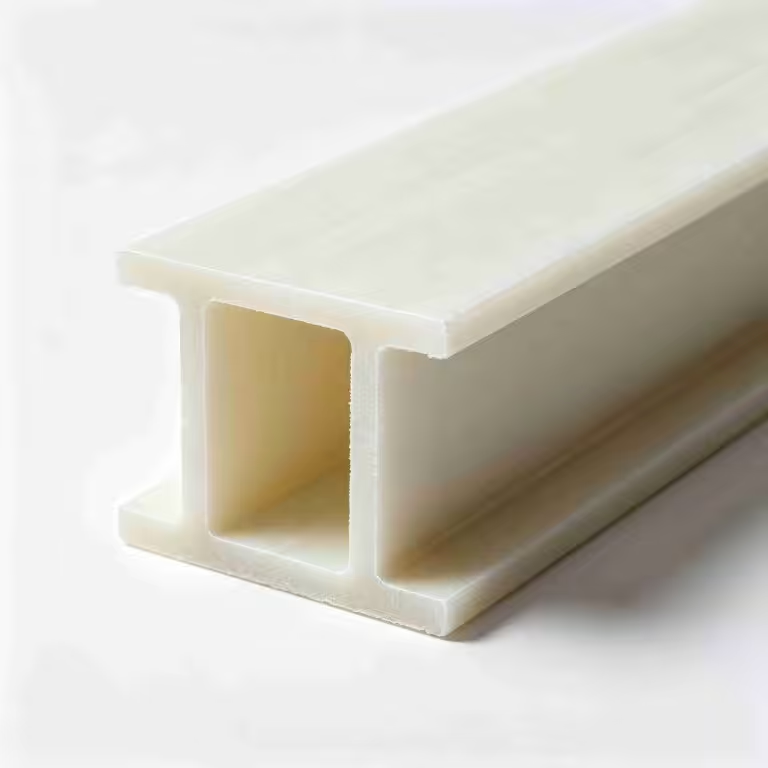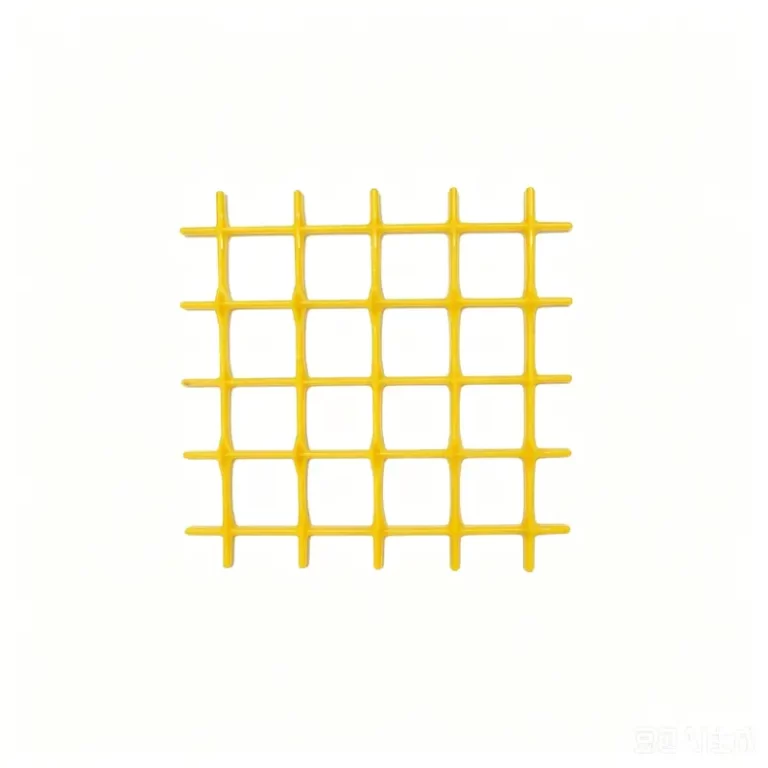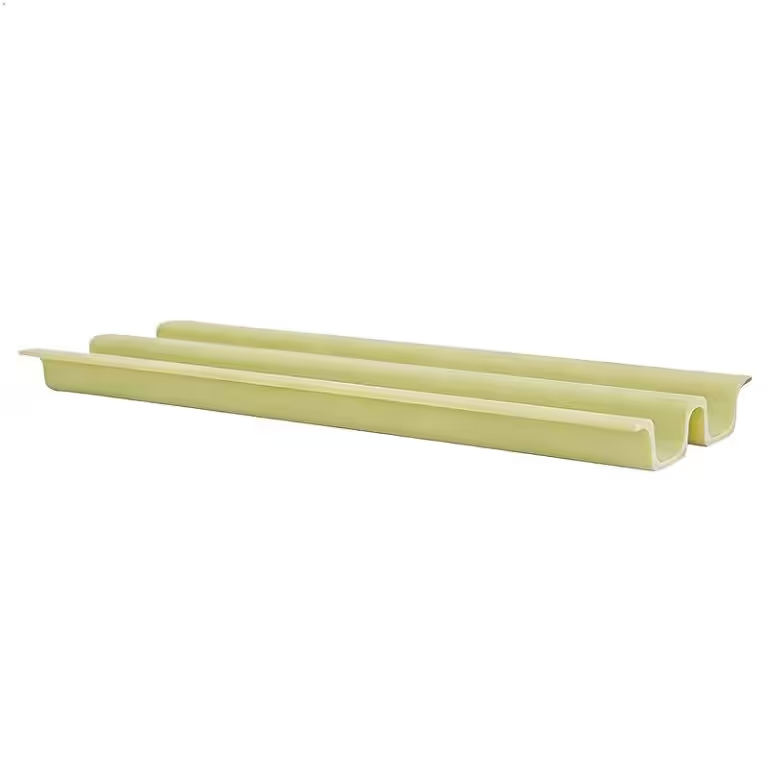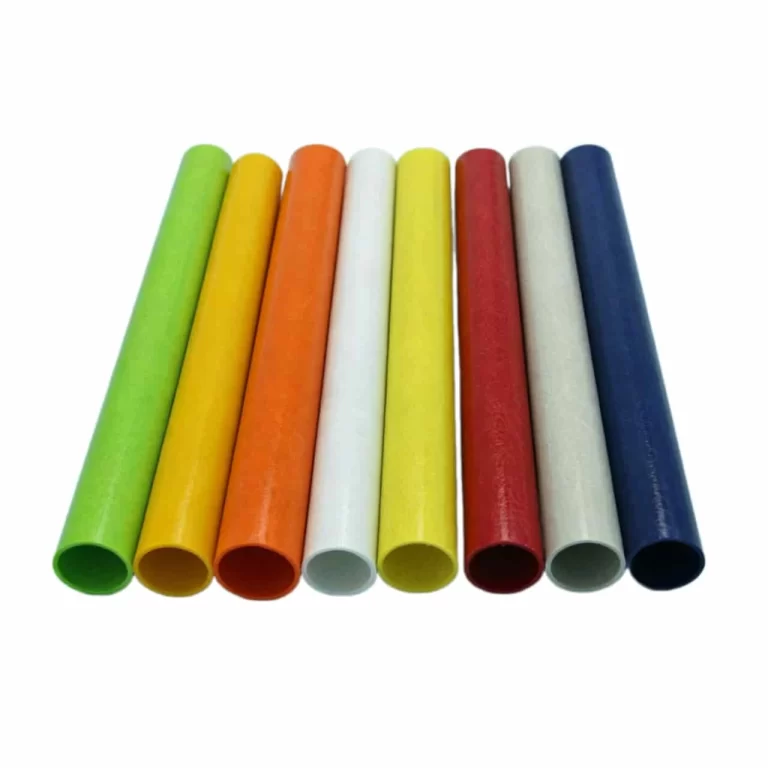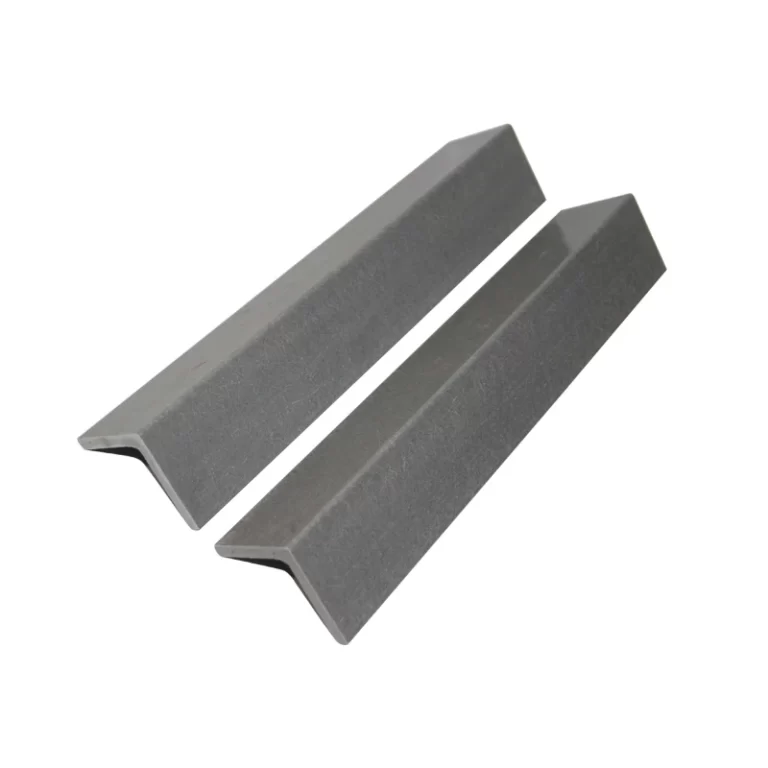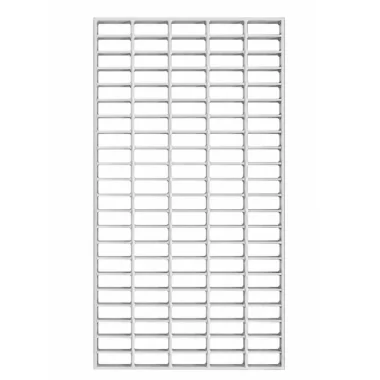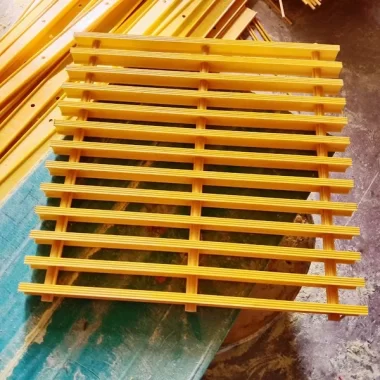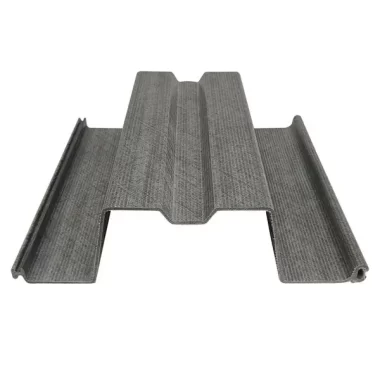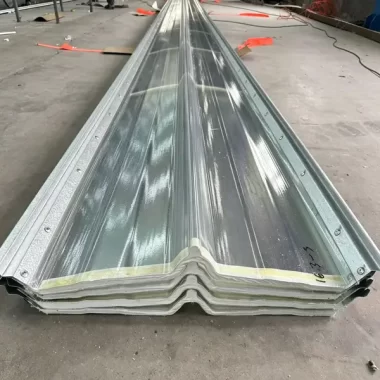

FRP profiles are commonly transported over long distances before arriving at construction sites, industrial facilities or infrastructure projects. During loading, shipping and unloading, improper handling may lead to scratches, bending or edge damage that can affect later installation and on-site performance.
Improper loading or unstable packaging may cause movement during transportation, especially for long fiberglass structural profiles. In many projects, protective wrapping, reinforced support and correct stacking methods are used to reduce damage during shipping and site delivery.
Why Safe Transportation of FRP Profiles Matters
Although fiberglass structural profiles provide excellent strength-to-weight performance, improper transportation may still affect the appearance and structural stability of the material.
During shipping and handling, FRP profiles may be exposed to:
- Excessive stacking pressure
- Impact during loading and unloading
- Surface abrasion
- Long-term UV exposure
- Moisture accumulation
- Improper support positioning
These issues may lead to scratches, bending, edge damage or structural stress that can affect installation performance in industrial and infrastructure projects.
Best Practices for Safe FRP Profile Transportation
Use Stable Support Spacing
FRP profiles should be supported evenly during transportation to reduce excessive bending pressure. Support points should remain consistent across the full length of the material, especially for long pultruded fiberglass profiles.
Proper support spacing helps maintain structural stability during truck transportation and container shipping.
Apply Protective Packaging Materials
Protective film, foam pads and non-abrasive wrapping materials can help reduce surface scratches during transportation.
Corner protection is also recommended for fiberglass structural profiles with exposed edges or customized shapes.
Secure Materials During Transit
Loose materials may shift during transportation and increase the risk of impact damage. FRP profiles should be secured properly using stable fastening systems that prevent unnecessary movement without applying excessive pressure.
Over-tightening straps may create localized stress on fiberglass structural components.
Avoid Direct Contact With Sharp Metal Edges
Direct contact with steel chains, sharp brackets or exposed metal surfaces may damage the outer resin surface of FRP profiles.
Soft lifting straps and protective separators are commonly used during industrial transportation and material handling procedures.
Protect FRP Materials From Long-Term Outdoor Exposure
Although FRP profiles provide good weather resistance, prolonged outdoor storage before installation may increase surface contamination and unnecessary UV exposure.
For long-distance transportation projects, covered storage and temporary protection measures are recommended before final installation.
FRP Container Shipping Recommendations
For international shipping and export transportation, container loading layout is important for reducing movement during transit.
Recommended transportation practices include:
- Uniform material stacking
- Anti-slip separation layers
- Reinforced edge protection
- Balanced weight distribution
- Waterproof protective covering
These procedures help improve transportation safety for fiberglass structural profiles used in infrastructure and industrial projects.
Safe Handling of Long FRP Structural Profiles
Long fiberglass profiles used in walkways, platforms and structural systems require additional handling attention during transportation.
To reduce transportation risk:
- Avoid unsupported lifting
- Use multiple lifting points
- Prevent sudden dropping or impact
- Minimize excessive bending stress
- Maintain balanced loading conditions
These handling procedures help maintain product integrity before installation.
Transportation Considerations for Customized FRP Profiles
Customized fiberglass profiles often include special dimensions, cut lengths or engineered structural designs. These products may require additional packaging protection during transportation.
For custom FRP structural systems, manufacturers often prepare transportation solutions based on:
- Product dimensions
- Structural weight
- Shipping distance
- Container type
- Installation requirements
Proper transportation planning can help reduce material loss and improve project delivery efficiency.
結論
Proper transportation and handling procedures are important for protecting FRP profiles during shipping, storage and on-site delivery. Although fiberglass structural materials provide strong corrosion resistance and lightweight performance, safe transportation practices remain essential for maintaining structural quality and installation reliability.
By using proper support spacing, protective packaging and stable loading procedures, transportation damage can be significantly reduced in industrial and infrastructure projects.
Mingchi FRP supplies fiberglass structural profiles and provides transportation support solutions for industrial, infrastructure and custom engineering applications worldwide.