
Многие покупатели считают стекловолоконные трубы и трубки одним и тем же изделием. На деле трубы из ФРП и стекловолоконные трубки предназначены для совершенно разных промышленных задач.
Основное различие между трубой и трубкой из ФРП заключается в их назначении. Стекловолоконные трубы используются в основном для транспортировки жидкостей и химических веществ, а трубки — как легкие конструктивные опоры. промышленные каркасы.
Понимание различий между трубами и трубками из ФРП позволяет инженерам, подрядчикам и промышленным покупателям выбрать подходящий материал для долгой службы, коррозионной стойкости и экономии средств.
Что такое стекловолоконная труба?
Стекловолоконная труба, также известная как труба из ФРП или ГРП, представляет собой композитную трубопроводную систему для транспортировки жидкостей в агрессивных средах.
Его основное назначение — транспортировка:
- Химические жидкости
- Промышленные сточные воды
- Кислотные и щелочные растворы
- Подземные водопроводные системы
- Перекачка жидкостей на морских объектах

В отличие от конструкционных профилей, трубы из ФРП рассчитаны на выдерживание внутреннего давления, воздействия химикатов и непрерывного потока жидкостей。
Основные характеристики труб из ФРП
- Отличная коррозионная стойкость
- Высокая устойчивость к давлению
- Длительный срок службы
- Легкость монтажа
- Минимальные потребности в обслуживании
- Гладкая внутренняя поверхность для эффективного потока
Что такое стекловолоконная трубка?
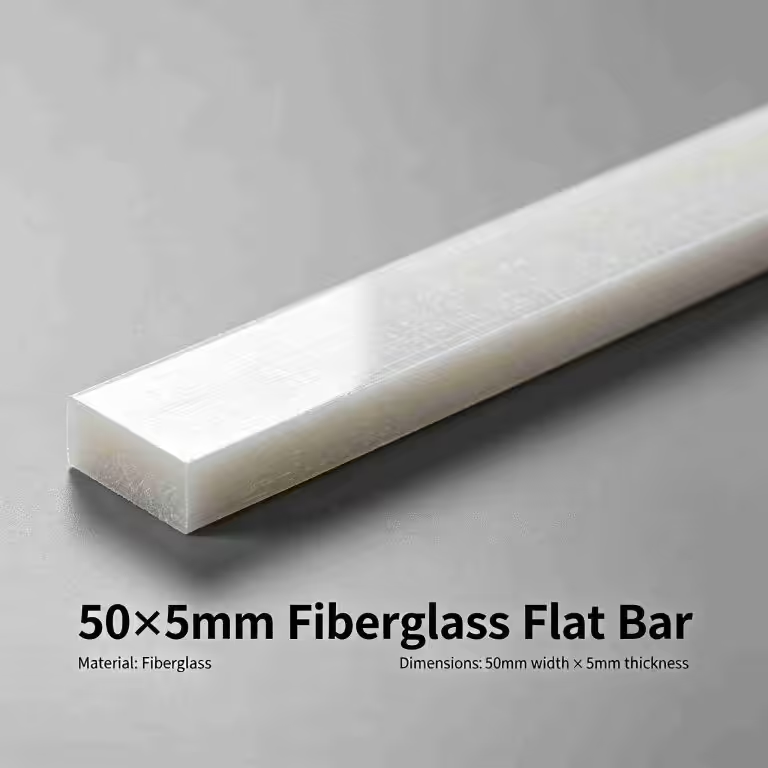
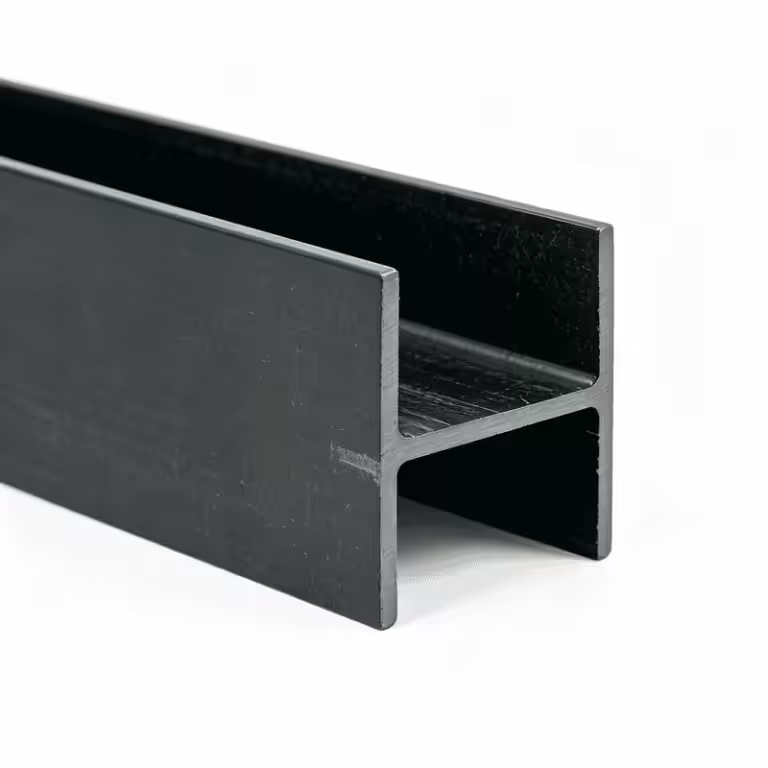
Стекловолоконная трубка — это конструкционный композитный профиль, который применяется в основном для опор, усилений и промышленных каркасов.
Стекловолоконные трубки не предназначены для транспортировки жидкостей, они рассчитаны на:
- Несение конструкционных нагрузок
- Электроизоляция
- Легкое строительство
- Коррозионностойкие опорные системы

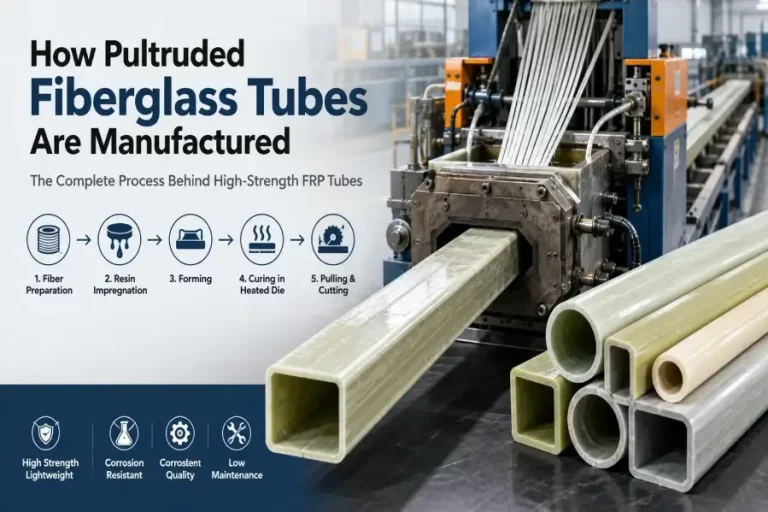
Стекловолоконные трубки обычно изготавливают методом пултрузии, благодаря чему они обладают высокой размерной стабильностью и хорошими механическими свойствами.
Основные характеристики стекловолоконной трубки
- Высокая конструкционная прочность
- Легче по весу, чем сталь
- Не проводит электричество
- Коррозионностойкий
- Простота изготовления и монтажа
- Подходит для эксплуатации на открытом воздухе
Разница между трубой и трубкой из ФРП
Хотя оба изделия изготовлены из стекловолокнистых армированных материалов, их инженерное назначение совершенно разное.
| Характеристика | Труба из стекловолокна | Стекловолоконная трубка |
|---|---|---|
| Основное назначение | Транспортировка жидкостей | Конструкционная опора |
| Конструкторский акцент | Давление и расход | Прочность и устойчивость |
| Распространенная форма | Круглая труба | Круглый, квадратный, прямоугольный |
| Типичные отрасли | Химическая промышленность, сточные воды, морская сфера | Строительство, электротехника, промышленность |
| Основные характеристики | Химическая стойкость | Грузоподъёмность |
| Тип монтажа | Трубопроводные системы | Конструктивные каркасы |
Применение труб из стеклопластика
Системы химической переработки
Стеклопластиковые трубы широко применяются на химических предприятиях, поскольку они устойчивы к коррозии от агрессивных химических веществ, которые быстро разрушают стальные трубопроводы.
К часто транспортируемым материалам относятся:
- Серная кислота
- Гидроксид натрия
- Хлоридные растворы
- Промышленные химикаты
Благодаря антикоррозийным свойствам стекловолоконные трубы идеально подходят для долгосрочной промышленной эксплуатации.
Станции очистки сточных вод
Объекты очистки сточных вод часто используют системы стекловолоконных труб для:
- Транспортировка сточных вод
- Дренажные системы
- Линии дозирования химических веществ
- Переработка шлама
Стеклопластиковые трубы хорошо работают во влажных и химически агрессивных средах, где традиционные металлические трубопроводы выходят из строя.
Морская и прибрежная инженерия
В морских условиях предпочитают стекловолоконные трубы, поскольку они выдерживают:
- Воздействие соленой воды
- Влага
- Коррозия
- Влажность воздуха
Благодаря этому системы труб из стеклопластика подходят для причалов, опреснительных установок и морских проектов.
Подземные инженерные коммуникации
Подземные инфраструктурные проекты часто используют трубы из стеклопластика для:
- Транспортировка воды
- Канализационные системы
- Промышленный дренаж
- Инженерные трубопроводы
Легкая конструкция упрощает транспортировку и монтаж, а также снижает долгосрочные расходы на обслуживание.
Применение стекловолоконных труб
Системы структурной поддержки
Стекловолоконные трубы широко используются в конструктивных целях, таких как:
- Каркасы оборудования
- Опорные балки
- Промышленные конструкции
- Усиление платформ
Стекловолоконные трубы сочетают прочность и малый вес, поэтому они широко используются как замена стали.
Системы электрической изоляции
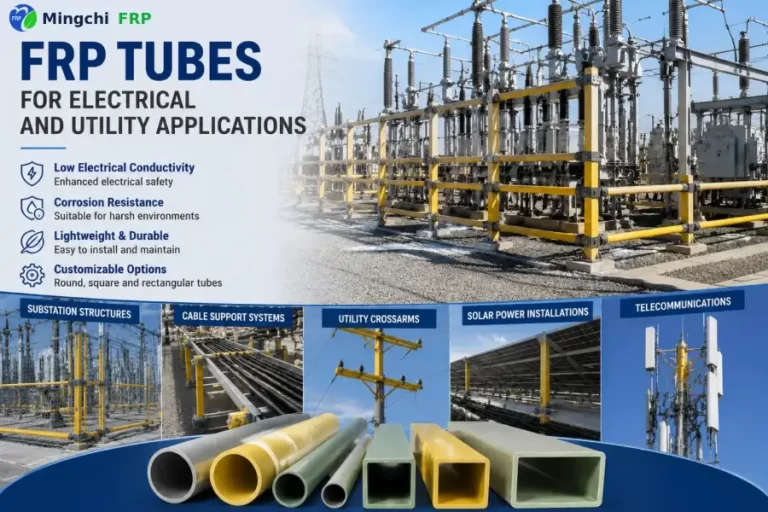
Одно из главных преимуществ стекловолоконных труб — их не проводящая способность.
Поэтому он подходит для:
- Электрооборудование
- Опоры трансформаторов
- Защита кабелей
- Высоковольтные среды
Пултрузионные стекловолоконные трубы широко применяются в электроэнергетике и коммунальном хозяйстве, где важна безопасность изоляции.
Промышленные платформы и проходы
Стекловолоконные конструкционные трубы часто используются в:
- Системы перил из ПВХ
- Проходы
- Доступные платформы
- Барьеры безопасности
Их коррозионная стойкость сокращает расходы на обслуживание на открытом воздухе и в химических средах.
Конструкции градирен
В градирнях часто используются профили из стекловолоконных труб, поскольку они обеспечивают:
- Влагостойкость
- Структурная устойчивость
- Длительный срок службы на открытом воздухе
- Легкая сборка
В отличие от стали, стекловолоконные трубы не ржавеют во влажных эксплуатационных условиях.
Стекловолоконная труба или трубка: что выбрать?
Выбор между трубой из ПВХ и стекловолоконной трубкой полностью зависит от области применения.
Выбирайте стекловолоконную трубу, если вам нужна
- Транспортировка химических жидкостей
- Коррозионностойкие трубопроводные системы
- Способность выдерживать давление
- Подземные инженерные коммуникации
- Системы очистки сточных вод
Выбирайте стекловолоконную трубку, если вам нужна
- Системы структурной опоры
- Легкие промышленные каркасы
- Электроизоляция
- Коррозионностойкие конструкции
- Пултрузионные композитные профили
Заключение
Разница между стекловолоконной трубой и трубкой в основном заключается в области применения и инженерном проектировании.
Стекловолоконная труба предназначена для транспортировки жидкостей и защиты от химической коррозии, а стекловолоконная трубка — для обеспечения конструкционной прочности, легкой опоры и промышленных каркасных систем.
В промышленных проектах правильный выбор материала из стеклопластика повышает долговечность, сокращает расходы на обслуживание и улучшает эксплуатационные показатели в долгосрочной перспективе.
По мере того как композитные материалы постепенно заменяют традиционные стальные системы, трубы и трубки из стеклопластика становятся неотъемлемыми решениями для современной промышленной инфраструктуры.
В области коррозионностойких композитных решений, пултрузионных структурных профилей и промышленных систем из стеклопластика лидируют такие компании, как Strongwell, Bedford и Enduro Composites. Минчи ФРП продолжают обеспечивать работу в сферах строительства, химической промышленности, коммунального хозяйства и инфраструктуры.