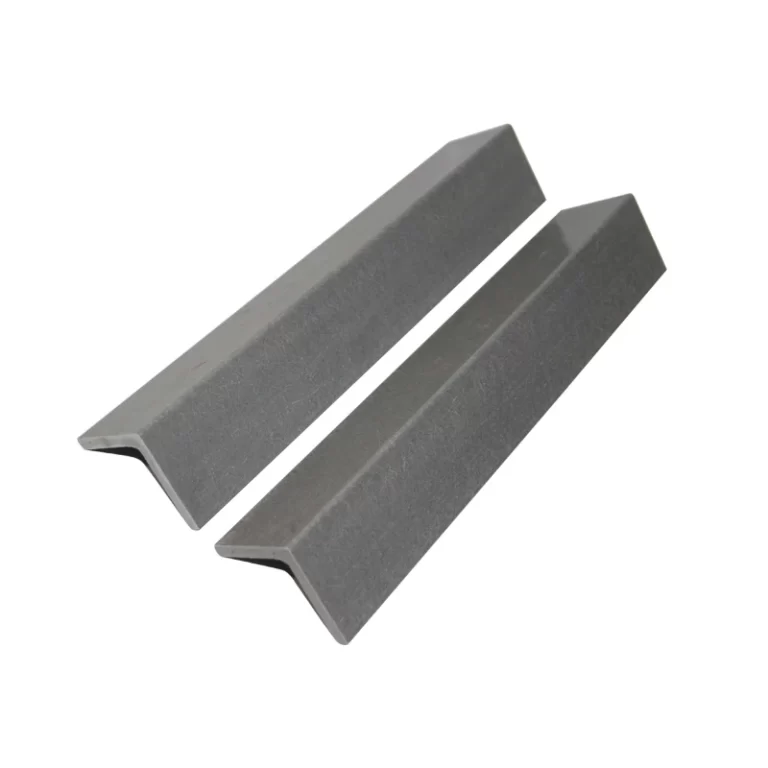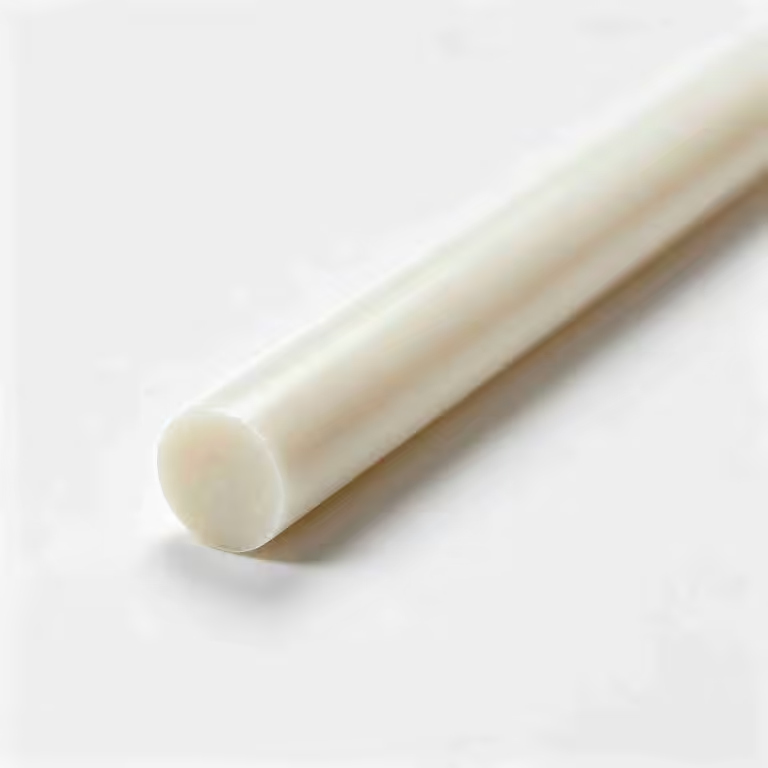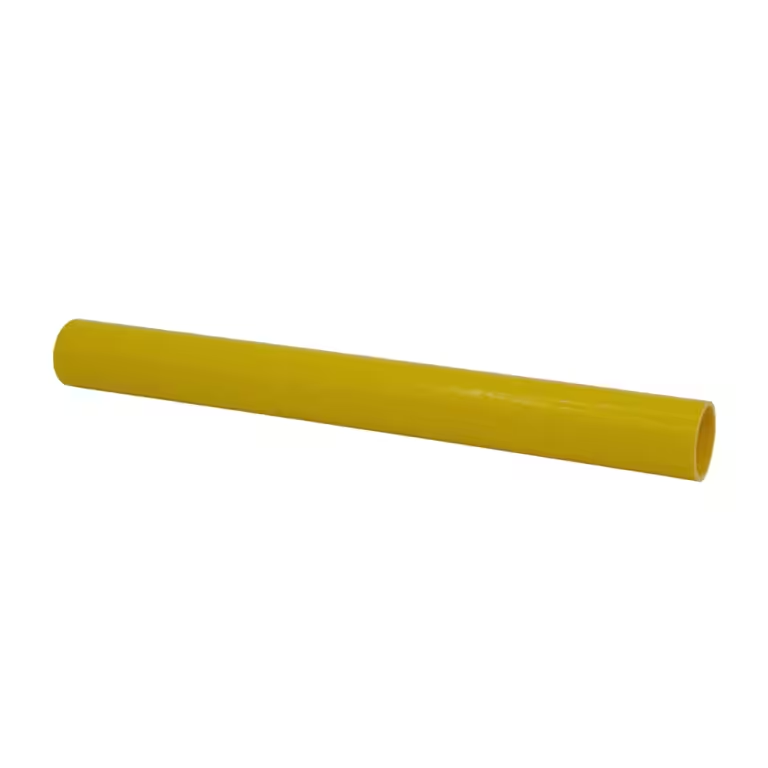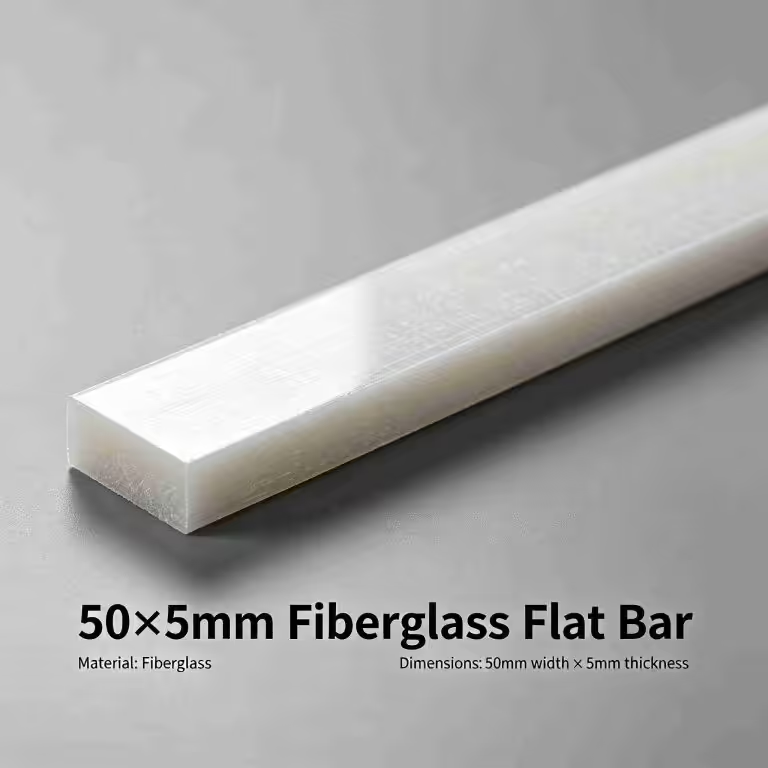

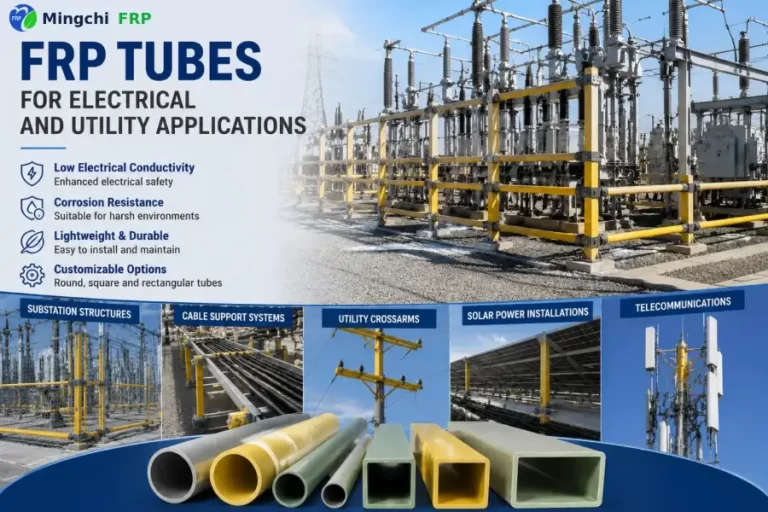
Fiberglass-based composite materials are widely used in modern engineering due to their corrosion resistance, lightweight structure, and long service life. Among them, Structural Fiberglass Tube and General FRP Tube are two commonly searched product types. Although they are often used interchangeably, they serve different engineering purposes.
Understanding the difference between these two options is essential for choosing the right material for industrial, construction, and infrastructure projects.
What is a Structural Fiberglass Tube?
A Structural Fiberglass Tube is a high-strength composite tube designed specifically for load-bearing applications. It is engineered to provide mechanical stability and long-term durability in structural systems.
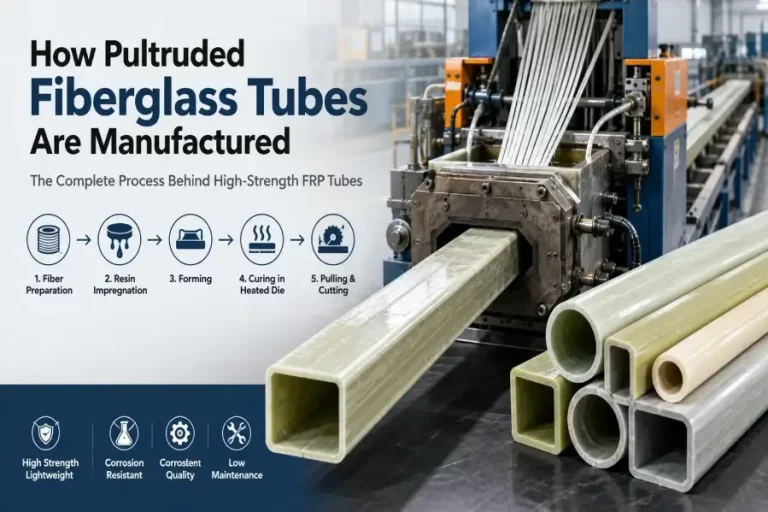
This type of tubing is typically manufactured using the pultrusion process fiberglass tube method, which ensures consistent fiber alignment and high strength performance.
Key characteristics:
- Designed for structural load-bearing use
- High fiber content for improved strength
- Excellent dimensional stability
- Manufactured with pultrusion technology
- Complies with structural engineering standards (ASTM / EN standards)
What is a General FRP Tube?
A General FRP Tube refers to a broader category of fiber reinforced plastic tubes that are not necessarily designed for structural loading. FRP (Fiber Reinforced Plastic (FRP)) products can vary significantly depending on resin type, fiber content, and manufacturing process.
These tubes are widely used for corrosion-resistant environments and lightweight applications.
Key characteristics:
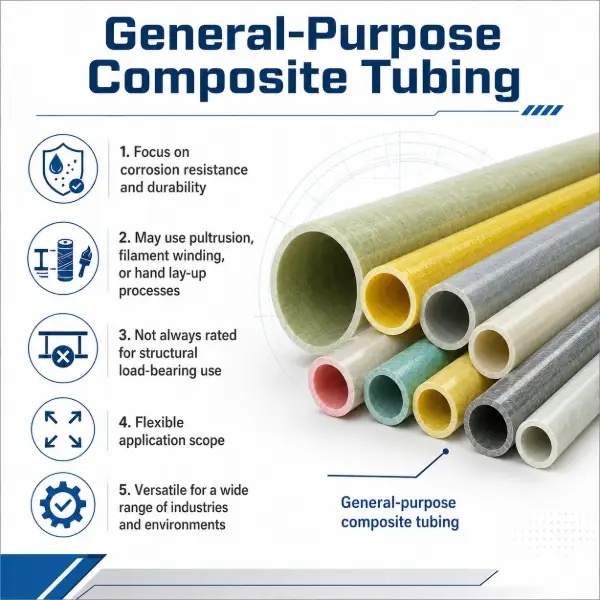
- General-purpose composite tubing
- Focus on corrosion resistance and durability
- May use pultrusion, filament winding, or hand lay-up processes
- Not always rated for structural load-bearing use
- Flexible application scope
Structural Fiberglass Tube vs General FRP Tube: Key Differences
| Характеристика | Structural Fiberglass Tube | General FRP Tube |
|---|---|---|
| Primary Use | Load-bearing structural systems | General industrial applications |
| Strength Level | High strength, engineered for stress | Medium to variable strength |
| Процесс производства | Pultrusion (controlled fiber alignment) | Pultrusion / winding / manual lay-up |
| Fiber Content | High and optimized | Varies depending on application |
| Стандарты / Нормы | ASTM / EN structural compliance | General industrial standards |
| Application Focus | Construction, infrastructure, platforms | Chemical, water, ventilation systems |
Manufacturing Process Matters: Why Pultrusion is Important
The performance difference between these two tubes is largely determined by the manufacturing method.
Structural fiberglass tubes are typically made using the pultrusion process fiberglass tube technology, which provides:
- Continuous fiber reinforcement
- High strength-to-weight ratio
- Uniform cross-section performance
- Better long-term load stability
In contrast, general FRP tubes may use filament winding or other methods that prioritize corrosion resistance or cost efficiency over structural strength.
Applications of Structural Fiberglass Tube
Structural fiberglass tubes are widely used in engineering environments where safety and load capacity are critical.
Typical applications:
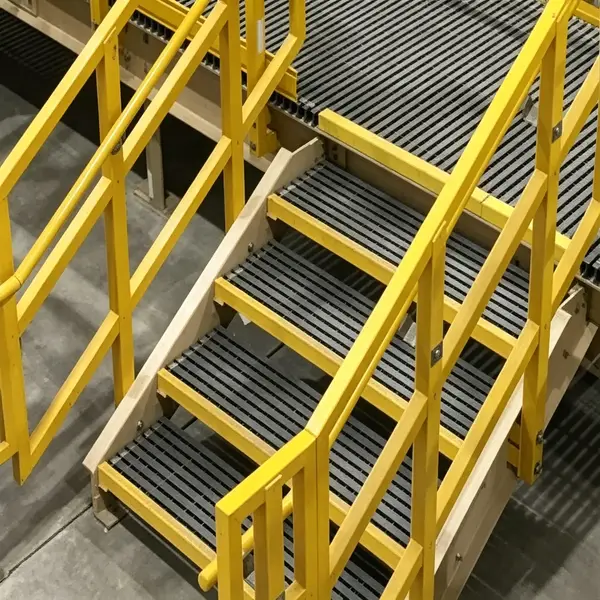
- Industrial platform structures
- Системы перил из ПВХ
- Offshore structural supports
- Chemical plant frameworks
- Power plant support systems
Applications of General FRP Tube
General FRP tubes are commonly used in non-structural or corrosion-resistant environments.
Typical applications:
- Chemical fluid transportation systems
- Wastewater treatment pipelines
- Ventilation systems
- Lightweight support structures
- Decorative and architectural tubing
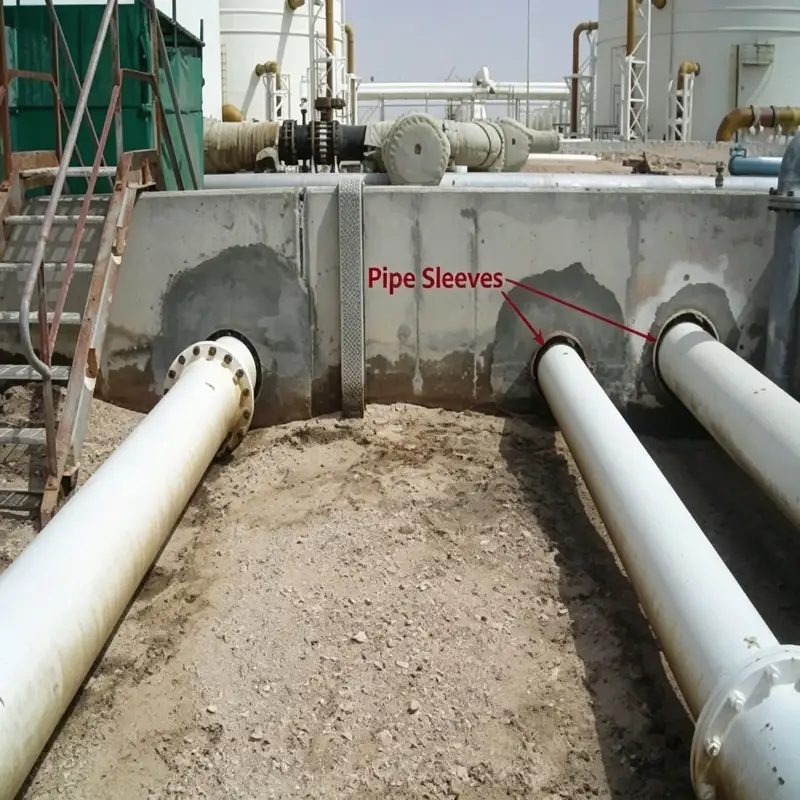
How to Choose Between Structural Fiberglass Tube and General FRP Tube
Buyers who also need to compare round, square, channel, angle and I-beam sections can refer to our FRP profile shapes selection guide. Choosing the right product depends on the project requirements:
- If the application requires load-bearing strength or safety-critical structure, choose Structural Fiberglass Tube
- If the application focuses on corrosion resistance or fluid transport, choose General FRP Tube
- If unsure, structural grade is generally safer for engineering applications
Заключение
Although both Structural Fiberglass Tube and General FRP Tube belong to the same composite material family, their engineering purposes are fundamentally different. Structural fiberglass tubes are designed for strength and load-bearing performance, while general FRP tubes focus on versatility and corrosion resistance.
Understanding this difference helps engineers, contractors, and buyers choose the right material for performance, safety, and cost efficiency.
At MingchiFRP, we specialize in manufacturing high-quality fiberglass and FRP solutions, including structural fiberglass tubes and general FRP tubes, providing reliable options for industrial, construction, and infrastructure projects worldwide.