FRP in Marine Terminals performs exceptionally in harsh saltwater and high-humidity environments, providing superior corrosion resistance, durability and safety to maintain stable port operations and long-term infrastructure reliability.
Industrial plants and electrical facilities face electric shock, corrosion and fire risks. Steel and aluminum conduct electricity and corrode easily, making them unsuitable for such high-risk environments. Mingchi FRP provides insulation, durability and flame retardancy to safeguard workers and equipment, while its FRP bridge walkways serve as durable, low-maintenance solutions for highways and railways.
Fiberglass Reinforced Plastic (FRP) is a high-performance composite material and stands as the ideal solution for marine terminal applications. It offers unbeatable corrosion resistance, zero maintenance, strong safety features and stable structural integrity, so it perfectly solves the core pain points in marine terminal construction and daily operation.
This blog fully explores FRP applications in marine terminals and focuses on four high-frequency core scenarios vital to terminal operations, including dock decking and grating, structural components, stair treads and walkways, as well as fenders and piling protection.
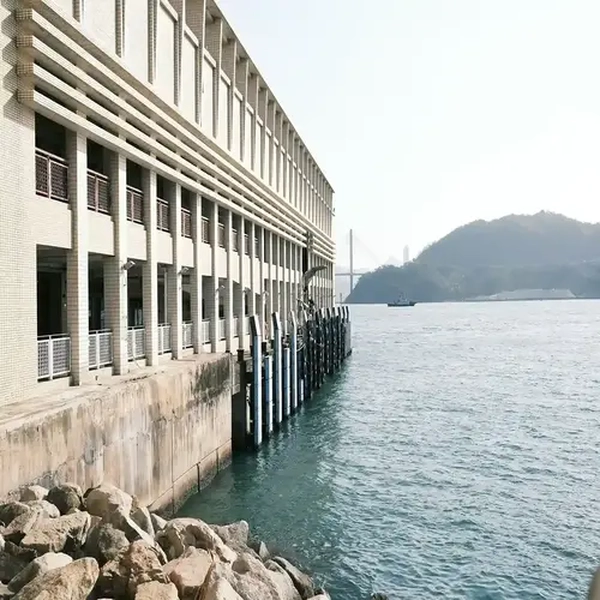
1. Key Advantages of FRP for Marine Terminal Applications
Industrial plants and electrical facilities face shock, corrosion and fire risks. Steel and aluminum corrode easily and conduct electricity, making them unsuitable. Mingchi FRP provides insulation, durability and flame retardancy for safety, ideal for various infrastructure.
● Corrosion Resistance
This stands as FRP’s most vital advantage for marine terminals. Steel rusts and weakens after years in saltwater, but FRP fully resists salt spray, seawater, humidity and common marine chemical pollutants. It shows no corrosion or degradation even when it stays under saltwater for long periods.
● Zero Maintenance
Marine terminals do involve high construction costs, and for terminal operators, maintenance creates heavy, time-consuming expenses, especially for hard-to-reach parts like underwater pilings and elevated walkways. FRP delivers genuine zero-maintenance performance, so it needs no painting, galvanizing or regular checks to stop corrosion and wear.
● Safety Features
Industrial plants and electrical facilities face electric shock, corrosion and fire risks; steel and aluminum conduct electricity and corrode easily, making them unsuitable for such high-risk environments. Mingchi FRP provides insulation, durability and flame retardancy to protect workers and equipment, while its bridge walkways are ideal for reliable, low-maintenance infrastructure.
● Structural Integrity
Marine terminal parts need to support heavy cargo containers, vehicles and machinery, and they also resist constant stress from ship berthing and wave impact. FRP provides excellent structural integrity with a high strength-to-weight ratio that matches steel, yet it is 75% lighter. This allows FRP components to bear heavy loads without extra weight on the terminal structure, so it eases pressure on pilings and foundations and lengthens the terminal’s service life.
2. Four Core Application Scenarios of FRP in Marine Terminals
FRP’s unique mix of corrosion resistance, zero maintenance, safety and structural integrity makes it perfect for four high-impact scenarios in marine terminals. Each application fully uses FRP’s strengths to solve industry pain points, and real projects show its clear and practical value.
(1)Dock Decking and Grating
Dock decking and grating form the backbone of marine terminal operations, and they offer stable surfaces for cargo handling, vehicle traffic and worker access. Traditional materials like steel, wood and concrete perform poorly in marine settings: steel rusts and turns slippery, wood rots and splinters, and concrete cracks and erodes, so they create safety risks and raise replacement costs. FRP dock decking and grating solve all these problems and become the top choice for modern marine terminals.
(2)Structural Components
Marine terminal structural components, such as beams, columns, brackets and trusses, need excellent structural integrity to bear heavy cargo and resist harsh marine conditions long-term. Traditional steel parts corrode easily and need frequent maintenance and replacement, while concrete parts are heavy and crack under wave impact, so they raise both construction and maintenance costs. FRP structural components serve as a better choice, with great corrosion resistance, zero maintenance and high strength, and they fully solve the pain points of traditional materials in marine terminals.
(3)Stair Treads and Walkways
Industrial plants and electrical facilities face electric shock, corrosion and fire risks; steel and aluminum conduct electricity and corrode easily, making them unsuitable for such high-risk environments. Mingchi FRP provides insulation, durability and flame retardancy to protect workers and equipment, while its bridge walkways are ideal for reliable, low-maintenance infrastructure.
(4)Fenders and Piling Protection
Fenders and piling protection are essential to safeguard marine terminal structures and vessels during berthing and mooring. Ships create strong impact force when docking, and traditional rubber or steel fenders, along with wood and steel piling protection, wear out and corrode quickly in marine environments. They need replacement every 2 to 3 years, so they bring high costs and terminal downtime. FRP fenders and piling protection deliver better durability, impact resistance and corrosion resistance, and they serve as an excellent choice for this key terminal application.
3. Comprehensive Practical Case: Full FRP Transformation of a Coastal Marine Terminal
To demonstrate the comprehensive value of frp in marine terminal projects, this case focuses on a coastal marine terminal on the East Coast of the United States that underwent a full FRP transformation, replacing traditional materials with frp in all four core scenarios.
Back in 2020, the terminal struggled with serious operational issues due to traditional materials. Steel parts suffered heavy rust and lost load-bearing strength, wood decking rotted and splintered, steel stair treads turned slippery and corroded, and rubber fenders required replacement every 2–3 years. Annual maintenance costs topped $300,000, and safety incidents like slips, falls, equipment and hull damage grew more frequent, so they severely hurt the terminal’s working efficiency and brand reputation.
The terminal management team partnered with frp producer to replace all traditional components with customized FRP solutions tailored to the coastal marine environment:
Dock Decking and Grating: frp anti-slip and corrosion-resistant grating was installed across all dock areas, providing a safe and stable surface for cargo handling, vehicle movement and personnel access;
Structural Components: frp high-strength beams and columns replaced corroded steel components, reducing the load on the terminal’s foundation and improving overall Structural Integrity;
Stair Treads and Walkways: frp non-slip and non-conductive stair treads and walkways were installed throughout the terminal, eliminating slip-and-fall risks and ensuring the safety of workers and passengers;
Fenders and Piling Protection: frp impact-resistant fenders and anti-corrosion piling protection replaced rubber and steel components, improving berthing safety and reducing vessel and terminal structure damage.
4. Conclusion: FRP Drives Innovation in Marine Terminal Construction
The marine terminal industry develops fast as global trade expands, and demand for more reliable, cost-effective, safe and sustainable building materials keeps rising each year. Traditional materials such as steel, wood and concrete can no longer overcome the industry’s unique challenges, including severe marine corrosion, high maintenance expenses, safety risks and heavy structural loads.
As a professional FRP manufacturer, mingchi frp is committed to promoting the application of FRP technology in the marine industry, providing high-quality products and customized solutions for global marine terminal projects.
From dock decking, grating and structural parts to stair treads, walkways, fenders and piling protection, Mingchi FRP serves the marine terminal industry with wide and effective applications. It not only solves core pain points of traditional materials in terminal construction and daily operation, but also brings long-term cost savings, better safety, higher efficiency and longer service life for the whole terminal.