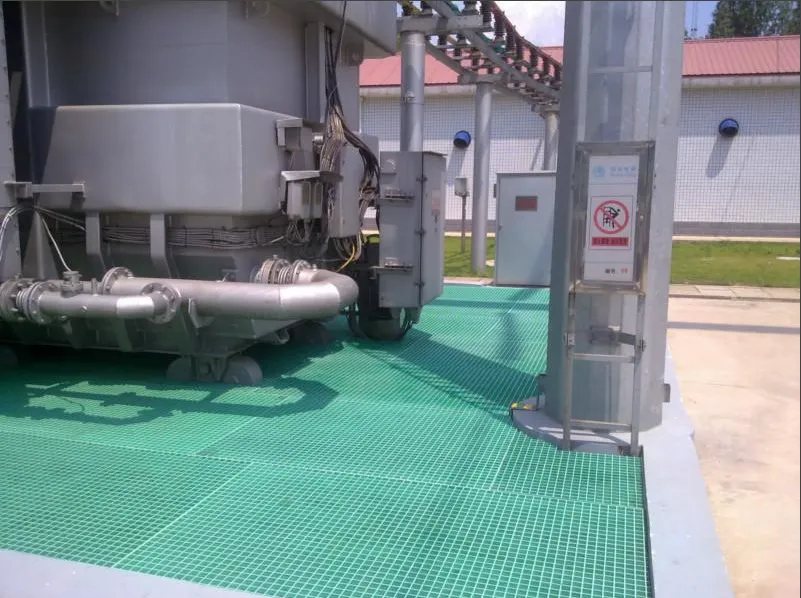
FRP in Chemical Industry: The chemical industry features harsh environments with strong acids, alkalis, high temperatures and pressure, requiring materials with superior corrosion, heat and pressure resistance. Industrial and electrical sites face shock, corrosion and fire hazards; steel and aluminum are unsuitable due to conductivity and corrosion. Mingchi FRP provides insulation, durability and flame retardancy for safety, while its FRP bridge walkways serve infrastructure reliably.
Traditional materials like steel, stainless steel and concrete corrode, deform and fail easily in chemical settings, and they cause equipment leaks, production halts and even safety incidents. So high-performance FRP composites have grown into an indispensable material for the chemical industry.
This blog comprehensively explores the application of FRP in the chemical industry, focusing on four core scenarios: Chemical Storage Tanks, Corrosion-Resistant Pipes & Fittings, Chemical Reaction Vessels, and Anti-Corrosion Linings.
1. Key Advantages of FRP for Chemical Industry Applications
The chemical industry has harsh working conditions and needs materials to resist corrosive media, high temperatures and pressure. It also requires stable structure and safe operation. FRP offers customized solutions for different projects, so it perfectly adapts to each plant’s unique working environment.
Excellent Corrosion Resistance: FRP resists erosion from nearly all corrosive media, and it withstands strong acids like sulfuric, hydrochloric and nitric acid. It also endures strong alkalis, corrosive gases and various organic solvents in chemical applications.
High-Temperature & High-Pressure Resistance: Most chemical processes run at high temperatures and pressures, so materials must keep stable structure under tough conditions. FRP holds steady rigidity in such environments, but metals deform easily, making FRP far more reliable in harsh industrial settings.
Lightweight & Easy Installation: Chemical equipment often comes in large sizes and heavy weight, and this raises huge challenges for transport and installation. FRP is much lighter than steel and stainless steel, so it cuts transport costs and speeds up on-site installation effectively.
2. Core Application Scenarios of FRP in the Chemical Industry
FRP owns many unique advantages and fits wide applications in the chemical industry. We list four common usage scenarios with real cases so you can clearly see its practical application value.
(1)Chemical Storage Tanks
Chemical storage tanks play a key role in the chemical industry and hold many corrosive media. Traditional metal or concrete tanks corrode and leak easily, so they bring safety risks and pollution. FRP tanks deliver a durable solution and ensure safe storage of all chemical substances.
(2)Corrosion-Resistant Pipes & Fittings
Chemical plants need many pipes and fittings to move corrosive media like acids and gases. Metal pipes corrode and scale easily, so they cause blockages and lower efficiency. FRP pipes use resin and glass fiber, and they resist corrosion while smooth walls improve flow performance.
(3)Chemical Reaction Vessels
Chemical reaction vessels serve as core equipment for production. They run oxidation, polymerization and other reactions under high temperature and pressure. Metal vessels corrode and deform easily, so they often cause failures and downtime. FRP vessels provide stable performance and adapt well to these harsh conditions.
(4)Anti-Corrosion Linings
Existing chemical equipment like metal tanks and concrete pools often suffers corrosion, and full replacement wastes both cost and time. FRP anti-corrosion linings offer an economical choice, so they protect equipment interiors and greatly extend service life.
3. Comprehensive Practical Case: Full FRP Anti-Corrosion Transformation of a Chemical Plant
This case shows FRP’s full value in the chemical industry. A Southeast Asian chemical plant switched from traditional materials to complete FRP anti-corrosion renovation. Mingchi FRP provided one-stop design, production, installation and after-sales service and ensured project success.
This Southeast Asian fertilizer plant ran many storage tanks, pipelines and reaction vessels under strong acid and alkali exposure. Traditional equipment corroded badly and caused frequent leaks, shutdowns and high maintenance costs over $300,000 yearly, so it needed frequent replacement.
The plant partnered with mingchi frp to implement the following transformation measures:
- Storage System: Replace traditional steel storage tanks with frp storage tanks for storing sulfuric acid, nitric acid, and other corrosive media;
- Pipeline System: Replace all metal pipes and fittings with frp pipes and fittings, ensuring the safe transportation of corrosive media;
- Reaction System: Replace stainless steel reaction vessels with frp reaction vessels, adapting to high-temperature and high-pressure reaction conditions;
- Anti-Corrosion Renovation: Apply frp anti-corrosion linings to existing concrete pools and metal equipment, extending their service life.
4. Conclusion: mingchi frp Empowers the Safe and Efficient Development of the Chemical Industry
The chemical industry carries high risk and investment, and material performance directly shapes production safety, efficiency and cost. Traditional materials fall short in modern chemical production because of weak corrosion resistance, short life and high maintenance expenses. As a professional FRP producer, Mingchi FRP devotes itself to FRP technology R&D and application in the chemical field, and supplies premium products and customized solutions for chemical plants worldwide.