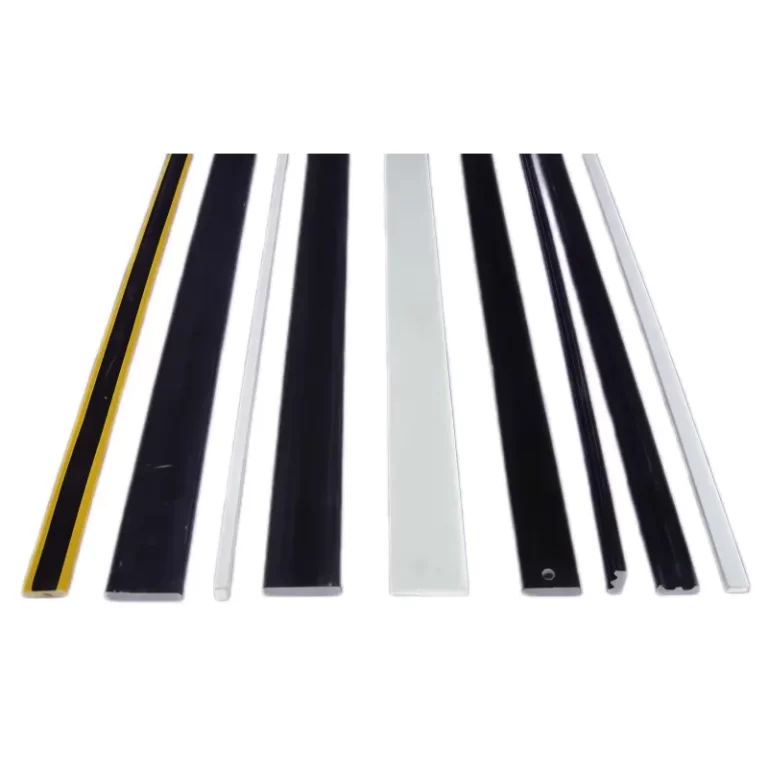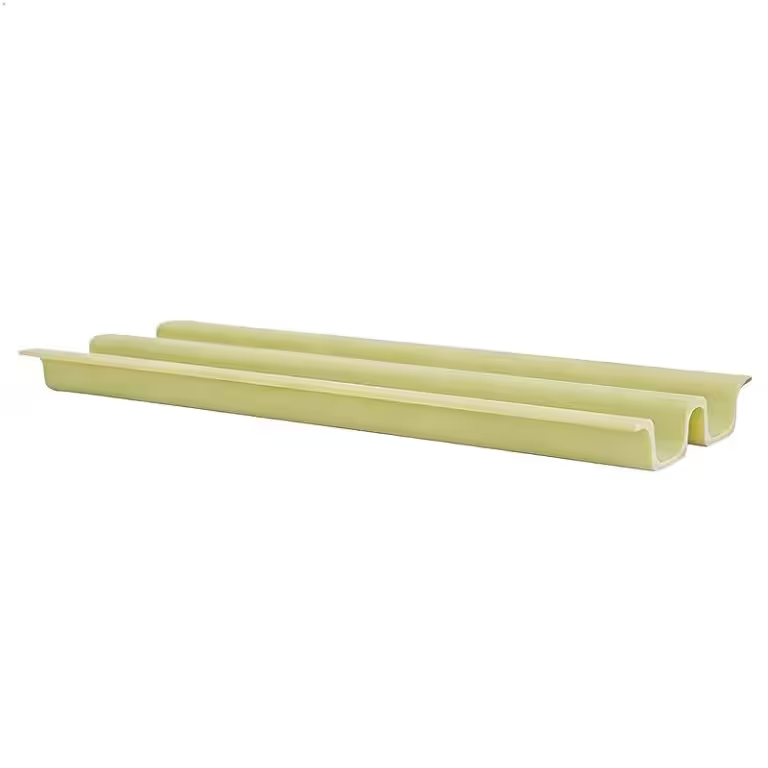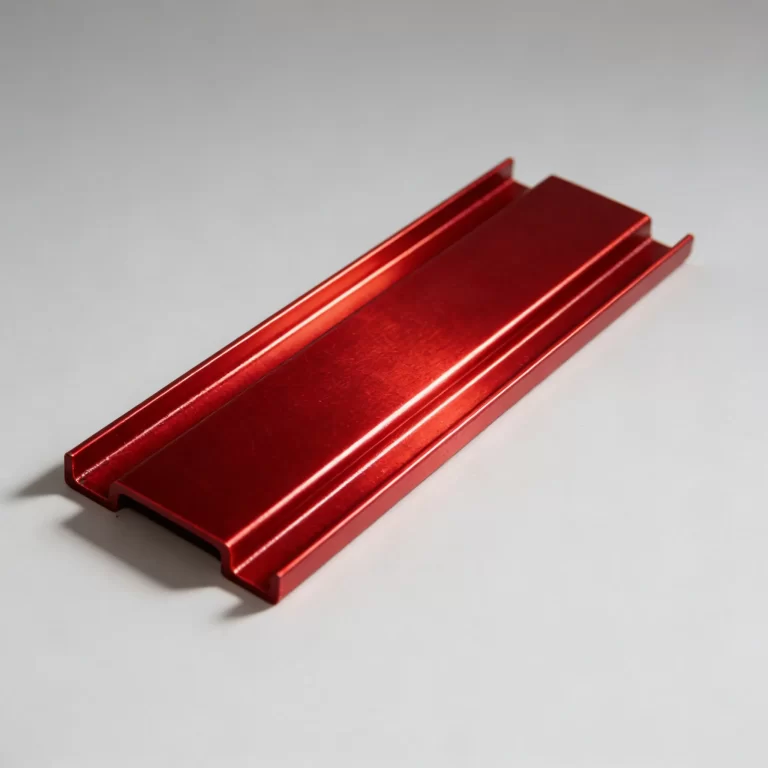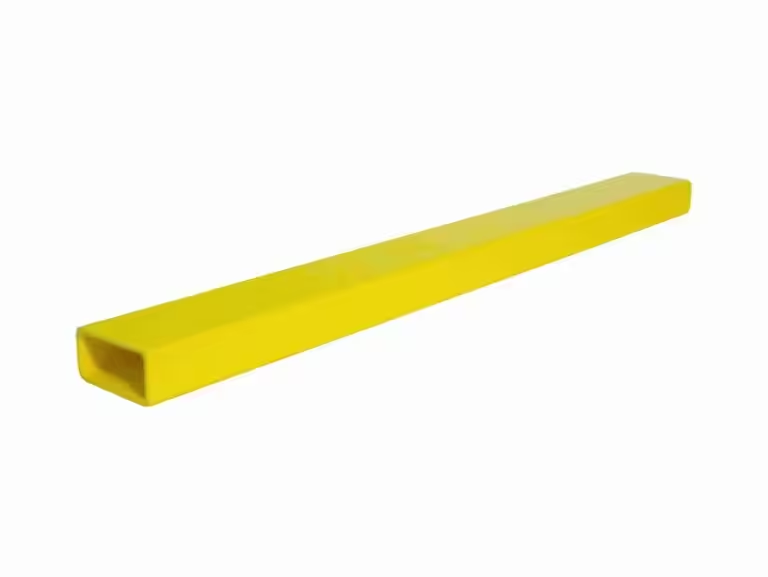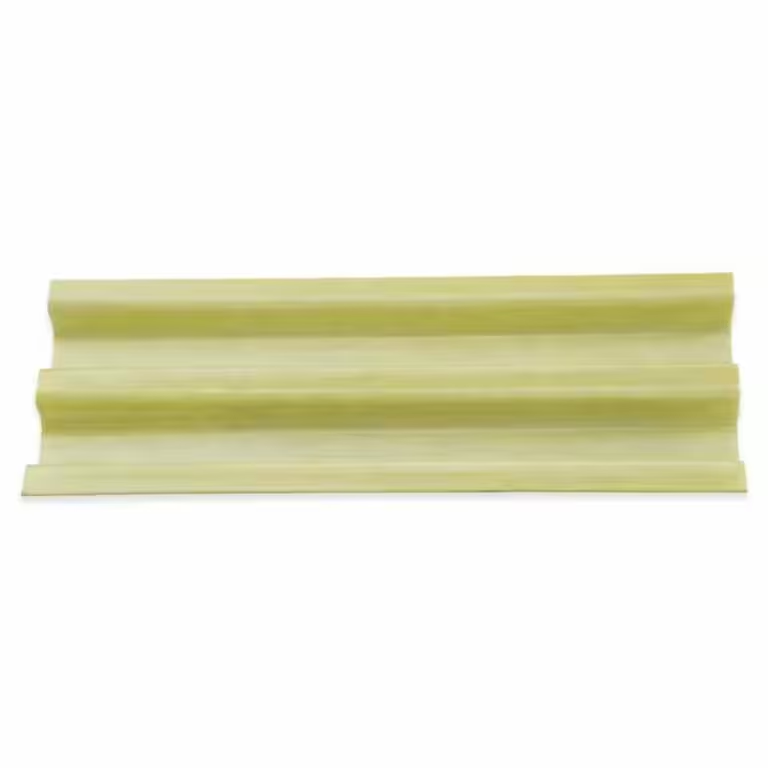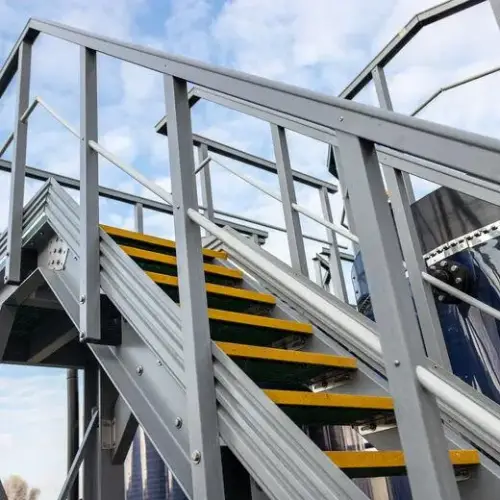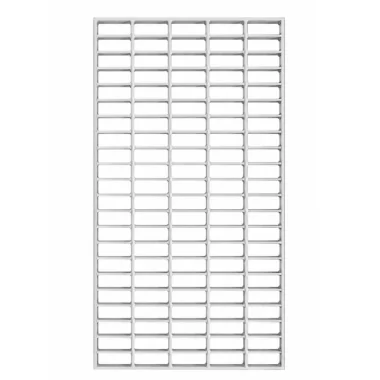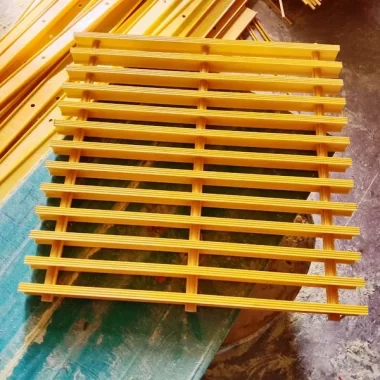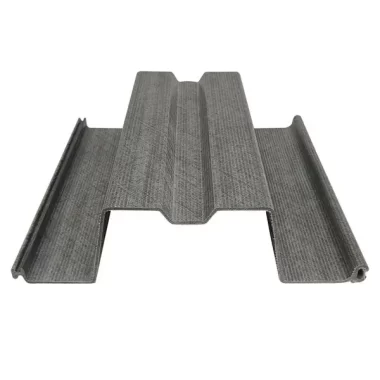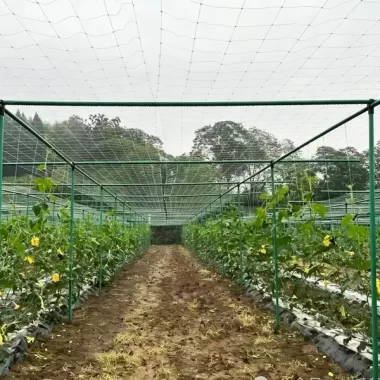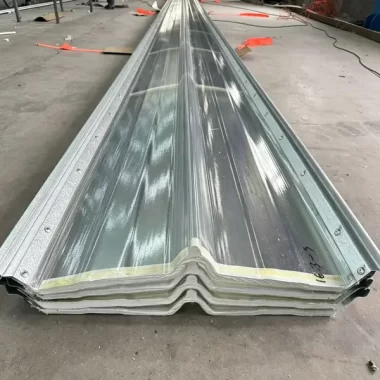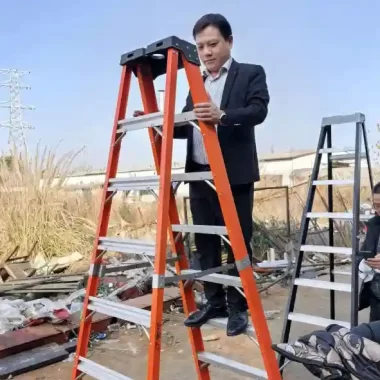

FRP products are widely used outdoors because they resist corrosion, moisture and many environmental conditions better than traditional metal or timber structures.
However, FRP is not automatically suitable for every outdoor project. Its long-term performance depends on the resin system, surface protection, manufacturing quality, structural design and installation method.
This guide explains how outdoor exposure affects FRP and what buyers should check before selecting FRP‑Gitterrost, profiles, handrails or structural components.
What Does Weathering Mean for FRP?
Outdoor FRP may be exposed to several environmental stresses at the same time:
- Ultraviolet radiation from sunlight
- Rain, snow and high humidity
- Repeated heating and cooling
- Coastal salt spray
- Industrial chemicals and airborne pollutants
- Surface abrasion and impact
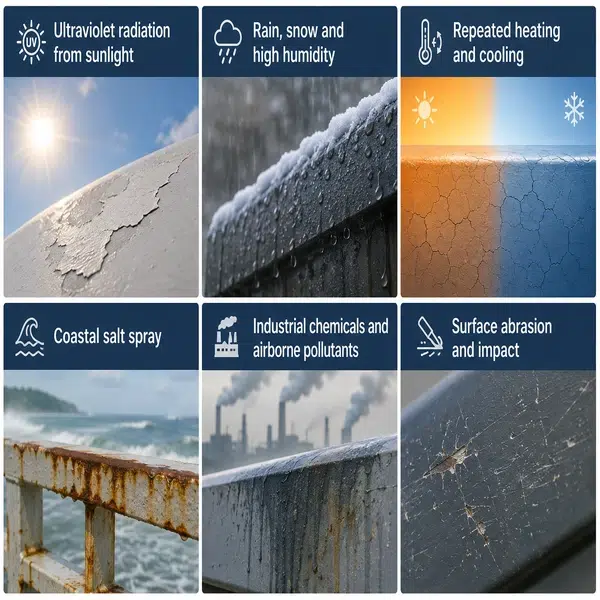
These conditions mainly affect the resin-rich surface that protects the fiberglass reinforcement. Poor-quality or incorrectly specified FRP may gradually show fading, chalking, loss of gloss or exposed fibers.
Visible surface aging does not always mean that the structure has lost its load-bearing capacity. However, cracking, delamination or exposed reinforcement should be evaluated before the product remains in service.
How FRP Performs Under Outdoor Exposure
UV and Sunlight
Long-term sunlight can break down the surface resin and cause color fading or chalking. Dark colors and heavily exposed surfaces may also experience higher surface temperatures.
Outdoor FRP can be manufactured with UV stabilizers, weather-resistant pigments, a synthetic surface veil, gel coat or protective coating. The appropriate solution depends on the required appearance, exposure level and expected maintenance schedule.
Projects with strict color-retention requirements should clearly state this requirement during product specification.
Rain and Humidity
FRP does not rust or rot when exposed to water. A properly manufactured resin-rich surface also helps protect the internal glass reinforcement from moisture.
Cut edges, drilled holes and damaged surfaces still require attention. Sealing exposed areas during installation reduces the risk of moisture reaching the reinforcement and helps maintain a clean surface.
Temperature Changes
FRP can perform across a wide range of outdoor temperatures, but temperature limits vary between resin systems.
Repeated heating and cooling may also create movement at connections and supports. Designers should consider thermal expansion, joint spacing, fastening methods and local climate conditions rather than evaluating the FRP component alone.
Salt and Chemical Exposure
Because FRP contains no steel reinforcement at its surface, it does not develop electrochemical rust in coastal or humid environments.
However, corrosion resistance still depends on resin compatibility. Polyester, vinyl ester and other resin systems provide different levels of resistance to acids, alkalis, solvents and elevated temperatures.
For chemical plants, wastewater facilities and coastal projects, the supplier should review the actual chemical concentration, exposure method and operating temperature before recommending a resin.
What Determines Outdoor FRP Durability?
The weathering performance of FRP depends on the complete product specification rather than a single material property.
Harzsystem
The resin protects the reinforcement and determines much of the product’s resistance to moisture, chemicals and temperature.
General outdoor structures may use a suitable polyester system, while demanding chemical or marine environments may require vinyl ester or another specially selected resin.
Oberflächenschutz
A surface veil creates a resin-rich outer layer over the structural reinforcement. UV absorbers, stabilizers, pigments, gel coats and external coatings can provide additional protection where required.
These options should be specified according to the exposure conditions instead of being treated as interchangeable solutions.
Manufacturing Quality
Poor resin distribution, surface porosity, exposed fibers and inconsistent curing can reduce weathering performance.
Buyers should inspect surface quality, dimensions, laminate consistency and cut-edge treatment. For important projects, production records, material data and relevant test information should also be reviewed.
Common Outdoor FRP Applications
Weather-resistant FRP productsare commonly used in:
- Industrial platforms and access walkways
- Wastewater treatment plants
- Chemical processing facilities
- Coastal docks and marine structures
- Rooftop maintenance walkways
- Outdoor stairs and ladders
- Safety handrails and fencing
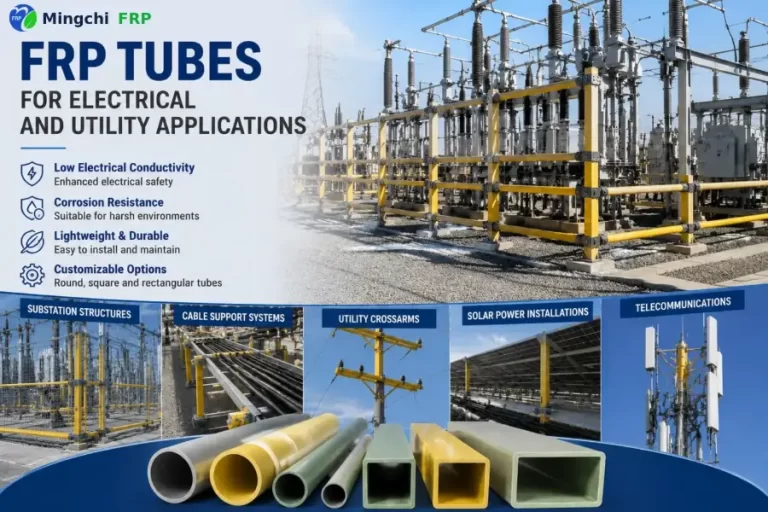
- Utility and electrical infrastructure
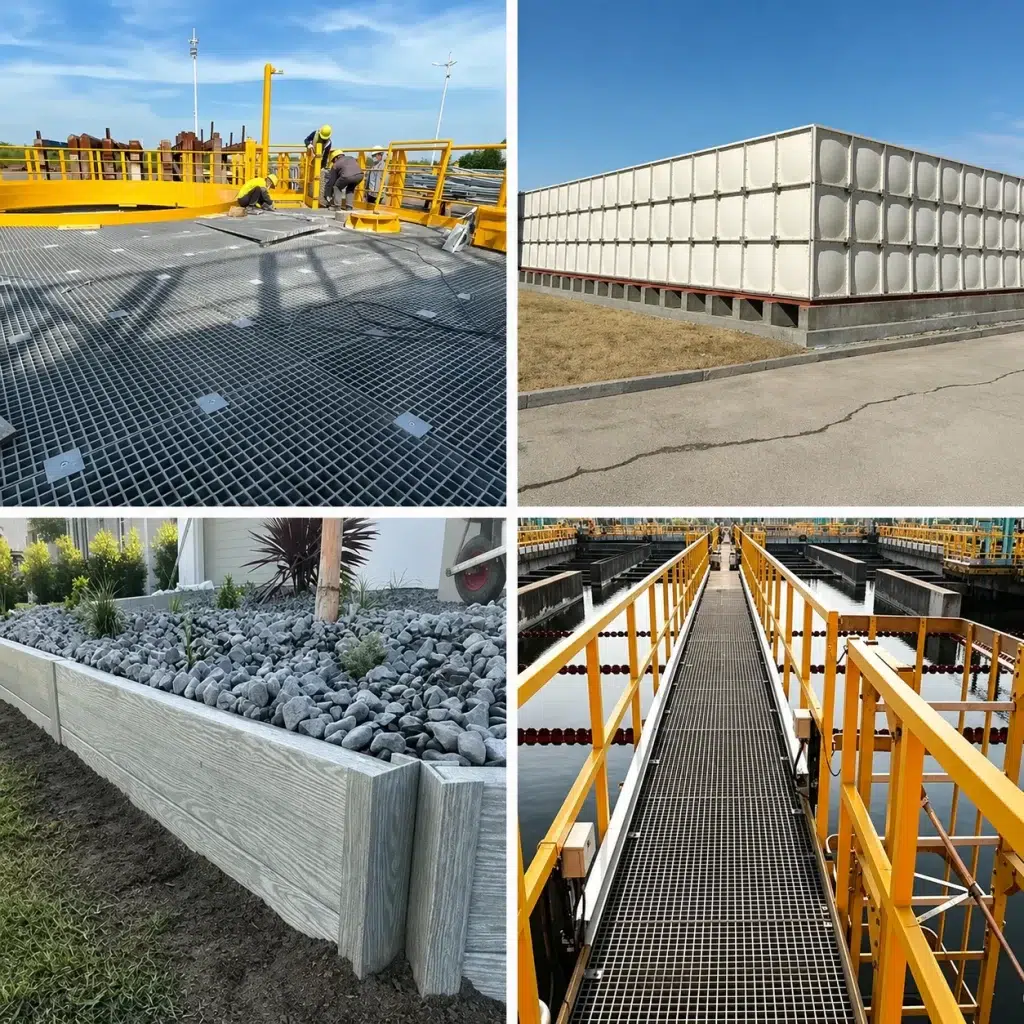
FRP is especially useful where corrosion makes repainting or replacing steel difficult and expensive.
Does Outdoor FRP Require Maintenance?
FRP generally requires less corrosion-related maintenance than steel, but it should not be described as completely maintenance-free.
A practical inspection program should include:
- Removing dirt, salt and chemical deposits
- Checking fasteners and supports
- Inspecting cut edges and drilled areas
- Looking for cracks, delamination or exposed fibers
- Checking anti-slip surfaces for wear
- Repairing damaged coatings where necessary
Inspection frequency should be based on the application. Coastal platforms, chemical plants and heavily used walkways normally require closer monitoring than lightly loaded structures in mild environments.
Zusammenfassung
FRP provides strong outdoor performance when the resin, surface protection, structural design and installation method are matched to the actual environment.
Instead of selecting outdoor FRP only by profile size or purchase price, buyers should evaluate UV exposure, moisture, chemicals, temperature, loading and maintenance requirements as one complete system.
Mingchi FRP manufactures customized FRP grating and pultruded profiles for industrial, infrastructure, wastewater and marine applications. Share your installation environment, dimensions, support conditions and load requirements with our team to receive a more suitable material and product recommendation.