
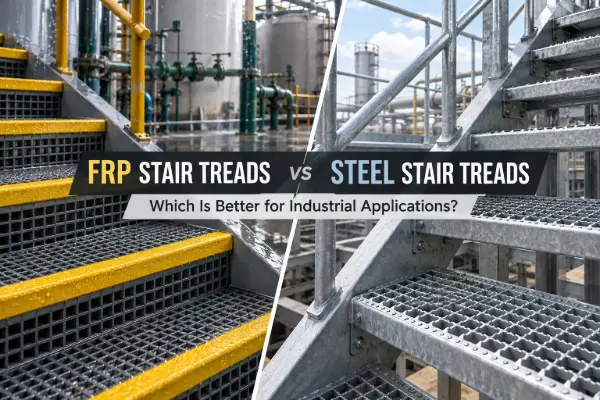
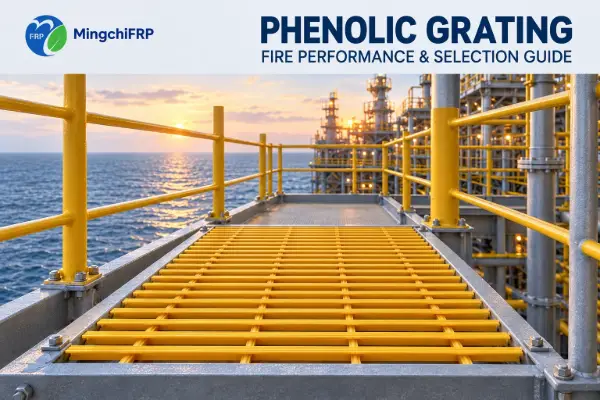
For decades, steel has been the default material for industrial infrastructure. From walkways and handrails to piping systems and structural supports, steel has been trusted for its strength and availability.
However, as industries face increasingly harsh operating environments—chemical exposure, moisture, saltwater, and corrosive gases—the limitations of steel become more apparent. Corrosion, frequent maintenance, and rising lifecycle costs are pushing engineers and project owners to seek better alternatives.
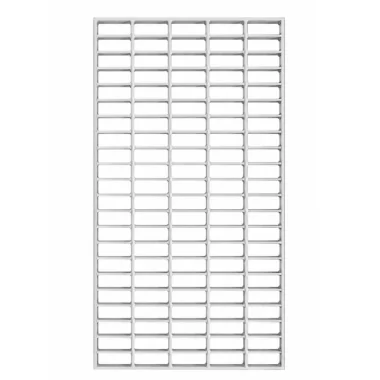
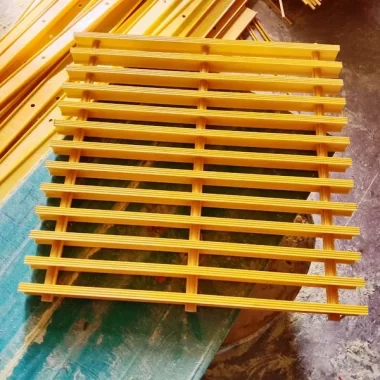
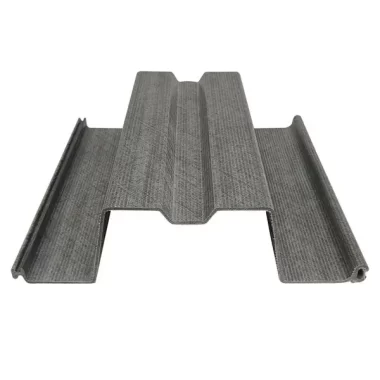
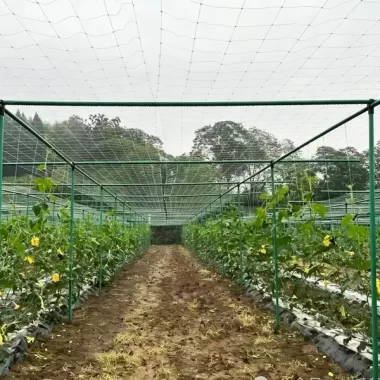
Today, Fiberglass Reinforced Plastic (FRP) is becoming the preferred solution for many industrial applications. Products such as fiberglass grating, pultruded profiles, FRP pipes, and structural components are proving that long-term performance matters more than initial material cost.
The Hidden Cost of Steel
At first glance, steel often appears to be the more economical choice. Its purchase price can be lower, and it is widely available worldwide.
However, the real cost of steel begins after installation.
In corrosive environments, steel structures typically require:
- Regular inspections
- Surface preparation and repainting
- Rust treatment
- Component replacement
- Production downtime during maintenance
These ongoing expenses can significantly increase the total cost of ownership over the life of a project.
For facilities operating 24/7, maintenance interruptions alone can result in substantial financial losses.
Why FRP Lasts Longer
Unlike steel, FRP is inherently resistant to corrosion.
Because fiberglass products are made from glass fibers reinforced with engineered resin systems, they do not rust, rot, or deteriorate when exposed to moisture and chemicals.
Hervorragende Korrosionsbeständigkeit
FRP performs exceptionally well in:
- Wastewater treatment plants
- Chemical processing facilities
- Marine terminals
- Offshore platforms
- Fertilizer plants
- Food processing factories
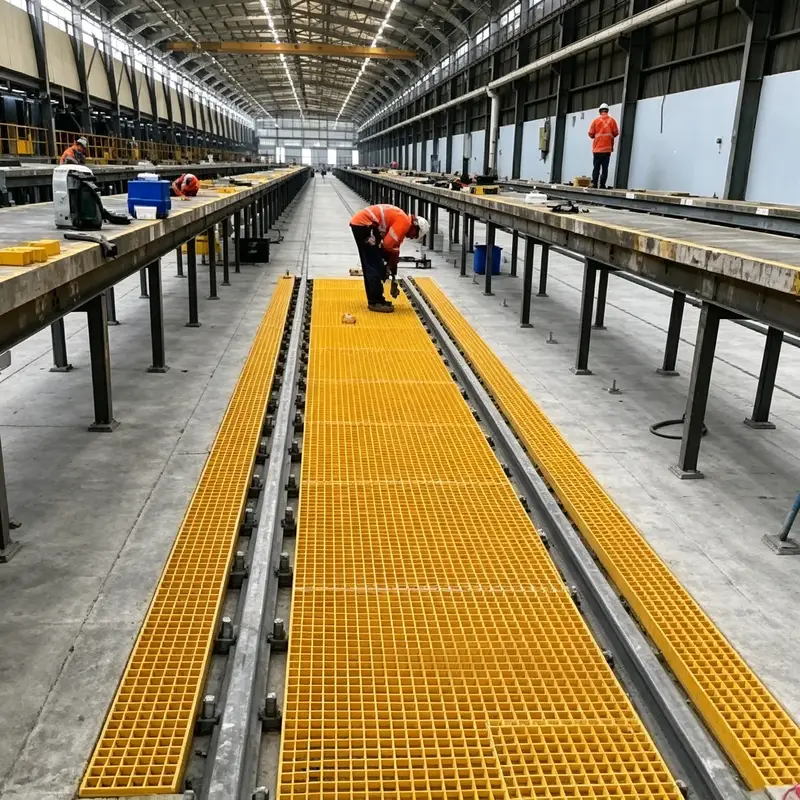
Even when exposed to acids, alkalis, saltwater, or corrosive gases, FRP maintains its structural integrity without requiring protective coatings.
Lower Maintenance Requirements
Steel structures often need repainting every few years.
FRP products typically require only routine cleaning and visual inspections.
This reduction in maintenance translates directly into lower operating costs throughout the facility’s lifespan.
Longer Service Life
Many properly designed FRP installations remain in service for 25–50 years or more.
Because corrosion is eliminated as a primary failure mechanism, FRP components maintain their performance far longer than traditional steel structures in aggressive environments.
Fiberglass Grating vs. Steel Grating
Industrial walkways and platforms are among the most common applications for FRP grating.
Compared with steel grating, fiberglass grating offers:
- Hervorragende Korrosionsbeständigkeit
- Leichte Montage
- Non-slip surfaces
- Electrical non-conductivity
- Reduced maintenance costs
In wastewater treatment plants and chemical facilities, FRP grating often remains operational for decades without the extensive maintenance that steel requires.
Fiberglass Profiles vs. Steel Structures
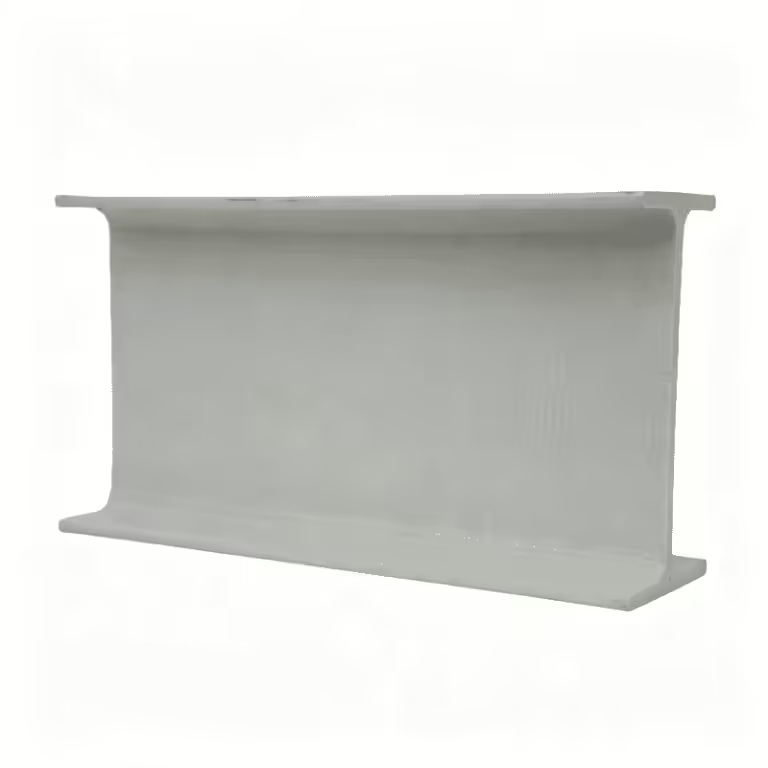
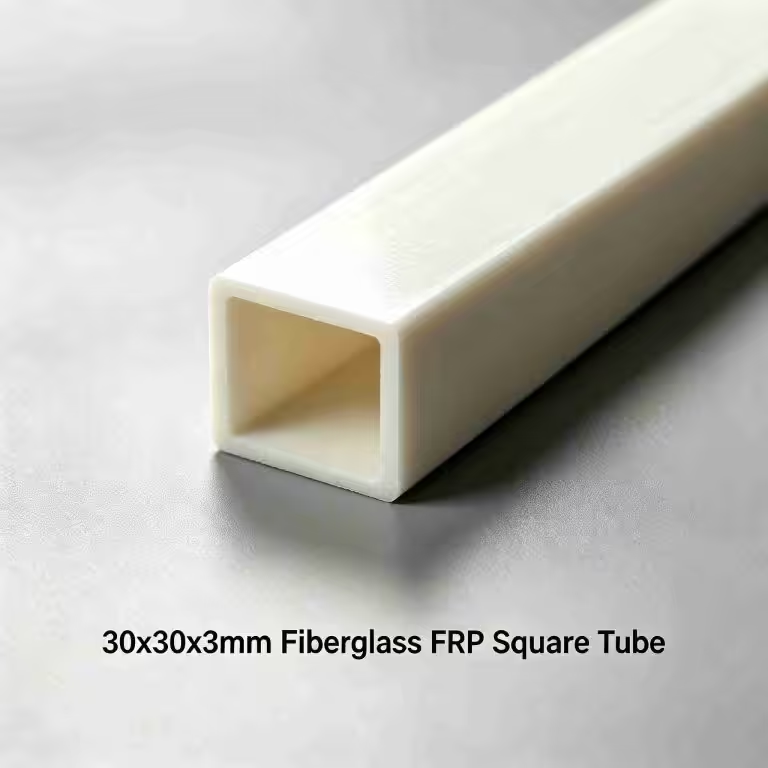
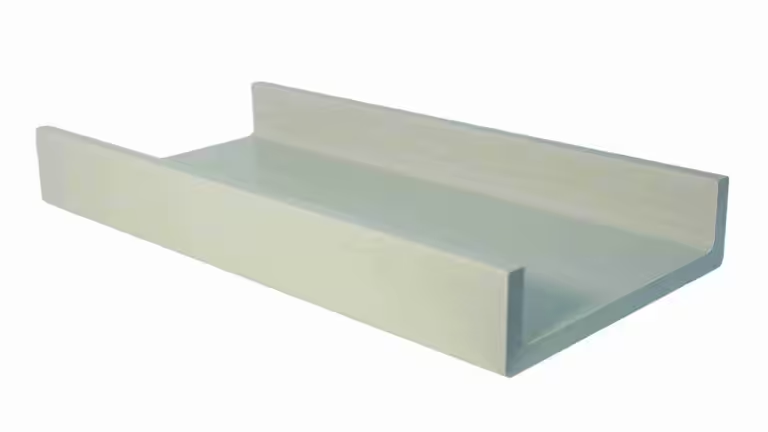
Pultruded profiles such as FRP I-beams, channels, angles, and tubes are increasingly replacing steel components in corrosive structures.
Häufige Anwendungen sind:
- Zugangsplattformen
- Gerätestützen
- Cooling tower structures
- Cable management systems
- Rooftop walkways

Because FRP profiles weigh significantly less than steel, transportation and installation costs can be reduced.
In many projects, smaller lifting equipment and fewer workers are needed during construction.
FRP Pipes vs. Steel Pipes
Piping systems frequently suffer from internal and external corrosion.
Steel pipes transporting chemicals, wastewater, or seawater often require protective coatings and regular repairs.
FRP pipes provide several advantages:
- Corrosion resistance inside and outside the pipe
- Smooth internal surfaces
- Reduced pressure loss
- Lightweight handling
- Lange Lebensdauer

These benefits make FRP pipes a practical choice for municipal, industrial, and marine applications.
Structural Performance in Harsh Environments
One misconception about fiberglass is that it cannot match the strength of steel.
While steel remains stronger on a pound-for-pound basis in some applications, modern pultruded FRP structural systems provide more than enough strength for many industrial uses.
When corrosion resistance, weight reduction, and lifecycle costs are considered together, FRP often delivers superior overall value.
For this reason, engineers are increasingly specifying fiberglass structures instead of traditional steel systems.
Lifecycle Cost Comparison
A steel structure may initially cost less to purchase.
However, when considering:
- Maintenance
- Coating repairs
- Downtime
- Labor expenses
- Replacement costs
FRP frequently becomes the more economical solution over a 20- to 30-year period.
This is why many industrial operators now evaluate materials based on lifecycle cost rather than initial purchase price alone.
The Future of Industrial Infrastructure
As industries continue seeking safer, more durable, and lower-maintenance materials, the adoption of FRP is expected to grow rapidly.
Fiberglass grating, pultruded profiles, FRP pipes, and structural components are already helping facilities reduce maintenance burdens while extending operational life.
For projects exposed to corrosion, moisture, chemicals, or saltwater, FRP is no longer simply an alternative to steel—it is often the smarter long-term investment.
At Mingchi FRP, we manufacture fiberglass grating, structural profiles, FRP pipes, and custom composite solutions designed for demanding industrial environments. By focusing on durability, corrosion resistance, and long-term performance, we help customers reduce lifecycle costs while improving operational reliability.
Learn more about industrial FRP solutions at https://www.mingchifrp.com/