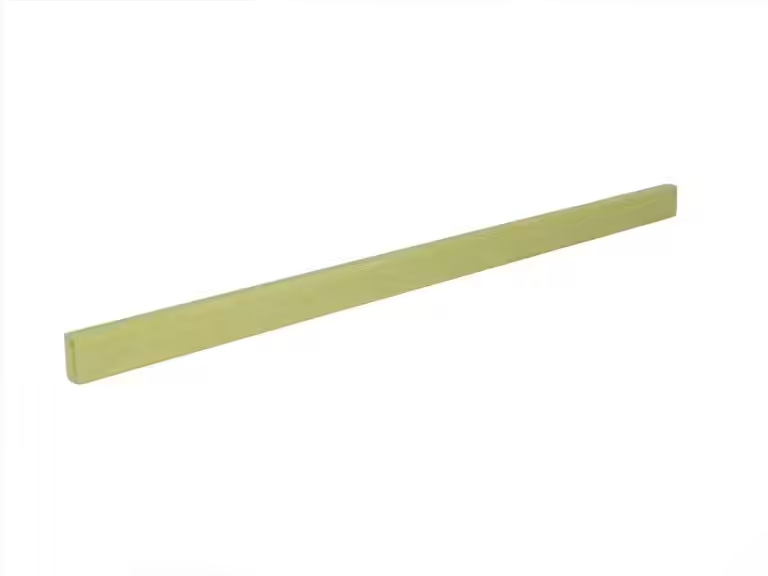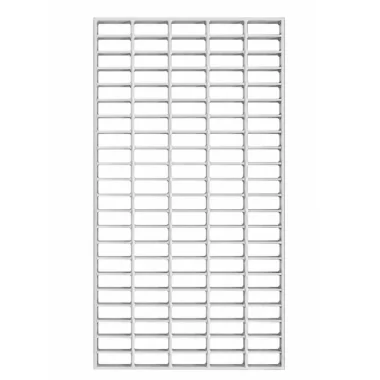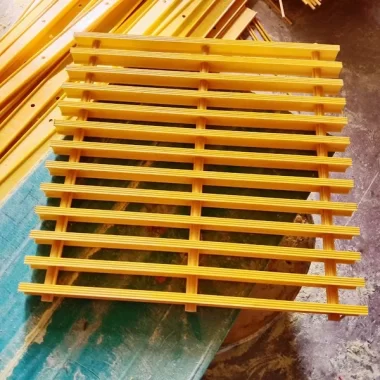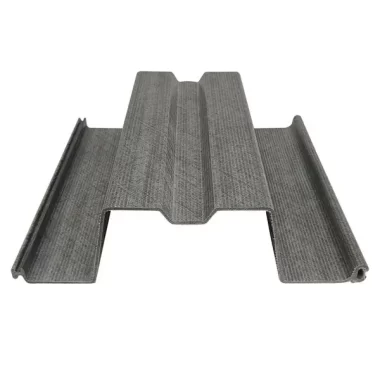

When budgeting for railings across coastal, industrial, municipal, and pool projects, most buyers face the same question: are FRP railings truly worth the investment over traditional metal railings? While metal options carry a lower upfront price tag, FRP delivers stronger long-term value through better durability, zero corrosion, minimal upkeep, and improved safety — making it a worthwhile long-term investment for almost any harsh or outdoor environment.
Upfront Cost vs. Lifetime Value
Metal railings like steel and aluminum often cost less initially, but their hidden long-term expenses quickly add up. Metal requires ongoing anti-rust treatment, regular repainting, welding repairs, and frequent part replacement in coastal or chemical-exposed areas.
FRP railings may have a slightly higher upfront cost, yet they eliminate nearly all recurring maintenance expenses. Once installed, FRP needs no painting, no rust treatment, and no regular repairs. Over a decade-long lifespan, FRP consistently delivers far lower total lifetime cost than metal.
Corrosion and Weather Performance
Metal railings inevitably corrode, rust, or oxidize when exposed to coastal salt, chlorinated pool water, industrial chemicals, and extreme outdoor weather. Even stainless steel suffers pitting and degradation over time.
FRP railings are completely rust-proof and corrosion-resistant. They stand unaffected by salt spray, chemicals, moisture, and intense UV exposure, maintaining their structure and appearance for decades without degradation — a massive advantage that metal simply cannot match.
Maintenance Requirements
Metal railings demand continuous maintenance: sanding, repainting, rust removal, and welded fixes to stay safe and presentable. This adds labor costs, project downtime, and long-term operational overhead.
FRP railings are virtually maintenance-free. They do not warp, rot, rust, or require coating or repainting. Occasional simple cleaning is all that is needed, drastically cutting long-term labor and material costs.
Safety Advantages
Metal railings conduct electricity and become dangerously hot under direct sunlight, creating risks of electric shock and heat burns.
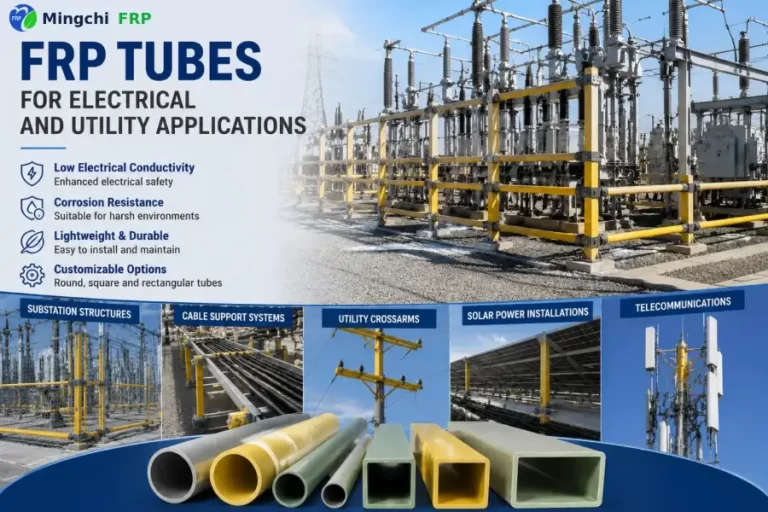
FRP is non-conductive and thermally inert, making it safer near electrical equipment, industrial zones, pool areas, and high-heat environments. It also offers solid impact resistance without bending or deforming like lightweight metal.
Installation and Structural Benefits
Metal railings are heavy, requiring heavy machinery, more labor, and longer installation time.
FRP is lightweight, enabling faster on-site fabrication, easier handling, and installation without large equipment. Its high strength-to-weight ratio delivers stable structural performance while lowering logistics and labor costs.
Final Verdict: Is FRP Railing Worth the Investment?
Yes — FRP railings are absolutely worth the investment compared to metal railings.
If you only consider short-term upfront cost, metal may seem cheaper. But when factoring in corrosion resistance, zero maintenance, longer service life, better safety, and lower lifetime expenses, FRP easily outperforms metal in overall value.
For coastal, industrial, municipal, pool, and offshore projects where durability and long-term savings matter most, FRP railings are the smarter, more cost-effective long-term choice.
For premium, corrosion-resistant, low-maintenance FRP railings built for long-term performance, explore reliable solutions at mingchifrp.com.