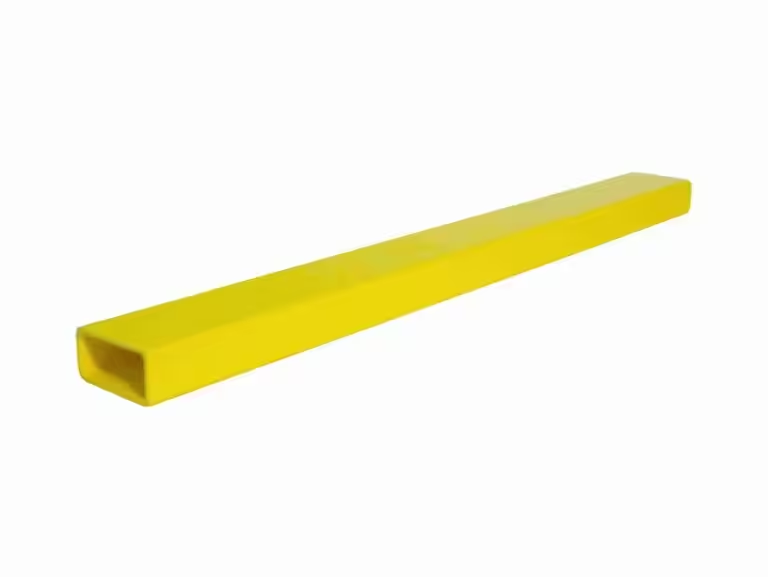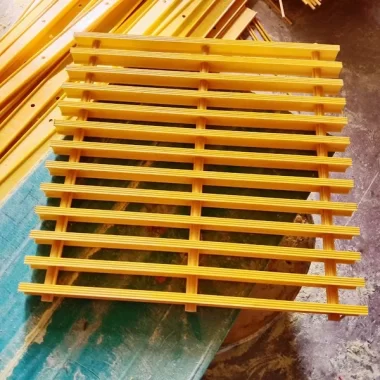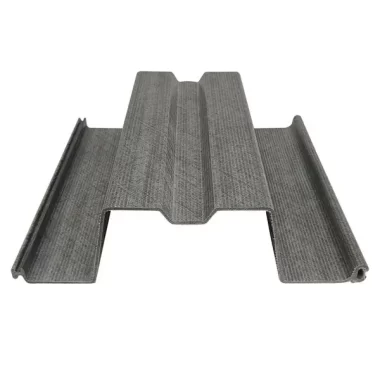

As industries prioritize sustainability and carbon reduction, FRP (Fiber Reinforced Polymer) composites have emerged as a greener alternative to traditional materials like steel, aluminum, and concrete. Their unique properties deliver impactful FRP environmental benefits, covering reduced emissions to minimal waste, making them a cornerstone of eco-conscious engineering. Below is a concise breakdown of FRP’s key environmental advantages, aligned with real-world sustainability goals.
Key Environmental Advantages of FRP Composites
Longevity and Durability
FRP is highly resistant to corrosion, rot, and weathering, which reduces the need for frequent maintenance, repairs, or replacements. Unlike traditional materials that degrade quickly in harsh environments, FRP’s durability extends its lifespan, cutting down on resource consumption and waste from repeated replacements.
Reduced Transportation Emissions
As a lightweight material, FRP is easier to transport, resulting in lower fuel consumption and fewer greenhouse gas emissions compared to heavy, traditional materials. Its lightweight nature reduces the load on transport vehicles, minimizing carbon footprints during delivery and on-site logistics.
Energy-Efficient Manufacturing
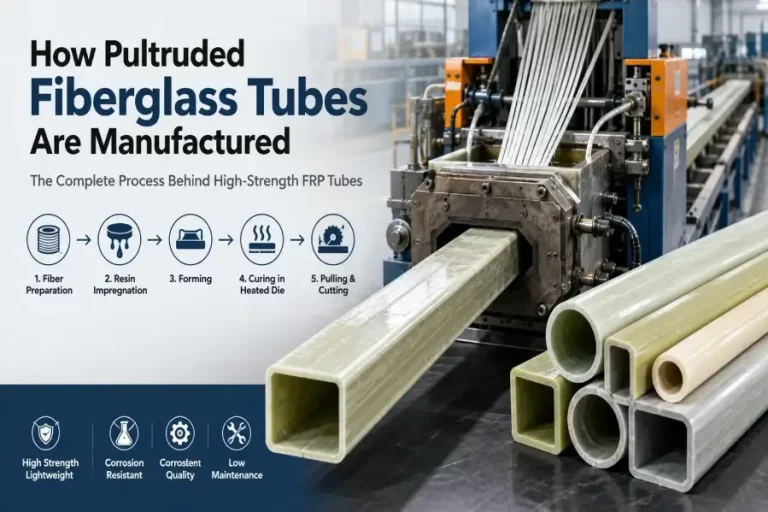
The production of FRP, particularly through pultrusion, generally uses less energy and emits fewer pollutants than the manufacturing of traditional materials like steel, aluminum, and concrete. Pultrusion, a continuous, efficient process, further lowers energy use, making FRP production more eco-friendly than metal or concrete manufacturing.
Sustainability in Construction
According to Treadwell Group Pty Ltd, FRP’s high strength-to-weight ratio minimizes material usage, and its long-lasting nature minimizes waste. This means less raw material is needed to achieve the same structural performance, reducing resource depletion and construction waste.
Recyclability and Waste Management
Although specialized, Creative Fibrotech highlights that FRP products can be recycled at the end of their lifecycle and transformed into new, useful products. Advanced recycling techniques address past challenges, allowing FRP to contribute to a circular economy and reduce landfill waste.
Lowered Carbon Footprint
Because of lower energy, materials, and transportation requirements, mingchifrp.com reports that the overall lifecycle sustainability of FRP is superior to traditional alternatives, particularly in construction. FRP’s eco-friendly traits combine to create a smaller carbon footprint from production to disposal.
Specific Sustainability Factors
Reduced Carbon Emissions
Using FRP can cut carbon emissions, as noted in reports by Perma Composites, by lowering the weight of infrastructure, making it more sustainable. Lighter FRP structures reduce energy needs for construction and operation, further curbing emissions.
Lower Initial Energy Usage
Composite-Tech notes that the manufacturing processes used in creating FRP products are less resource-intensive. FRP production requires less energy and fewer raw materials compared to traditional materials, reducing environmental strain from the start.
Environmental Impact Mitigation
The long life of FRP structures, like bridges, helps prevent the environmental damage associated with constant replacement, according to mingchifrp.com. Fewer replacements mean less manufacturing waste, reduced resource extraction, and minimized disruption to natural habitats.
Why FRP Is a Sustainable Choice
FRP’s environmental advantages stem from its design and performance—durability, lightweight properties, and efficient production all work together to minimize environmental impact. Unlike traditional materials that drain resources and contribute to emissions, FRP offers a practical, high-performance solution that aligns with global sustainability goals. For industries looking to reduce their carbon footprint and embrace eco-friendly practices, FRP composites are a clear, future-forward choice.
Final Note
In summary, FRP composites stand out as a sustainable, high-performance alternative to traditional materials, offering a comprehensive range of environmental benefits—from reduced carbon emissions and energy-efficient manufacturing to long-lasting durability and recyclability. Every advantage of FRP contributes to a smaller environmental footprint, making it the ideal choice for eco-conscious projects across industries. To learn more about how FRP composites can elevate your sustainability goals and access expert insights on eco-friendly FRP solutions, visit mingchifrp.com.