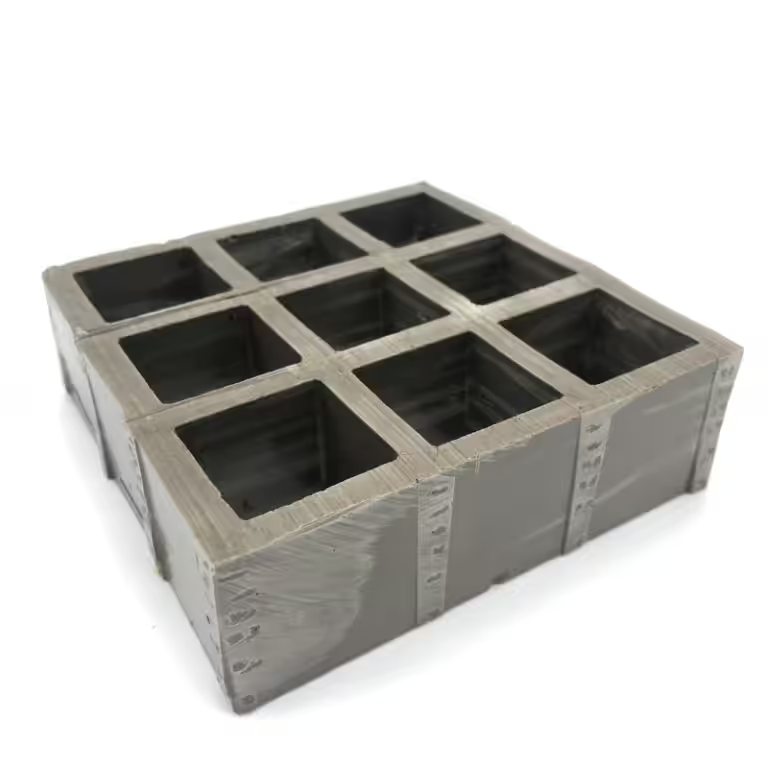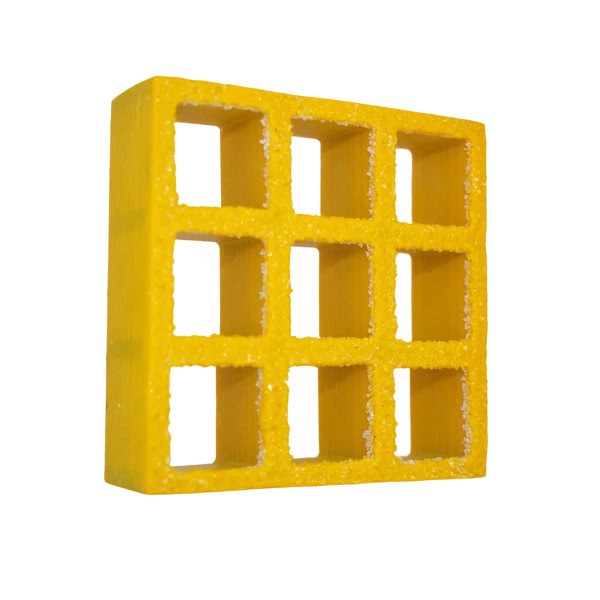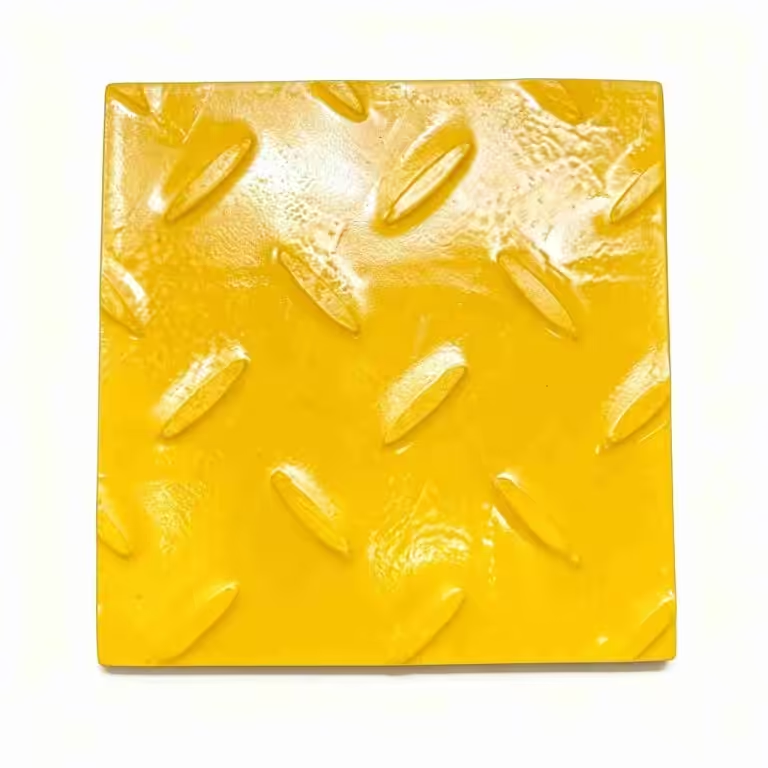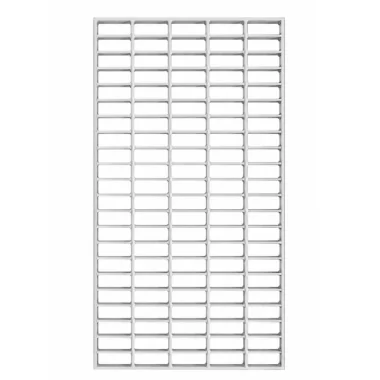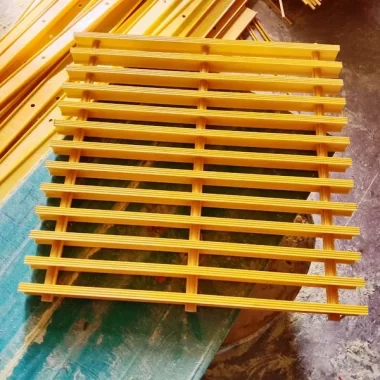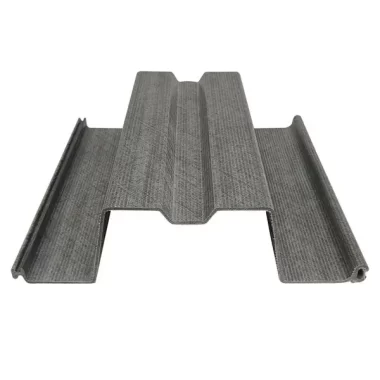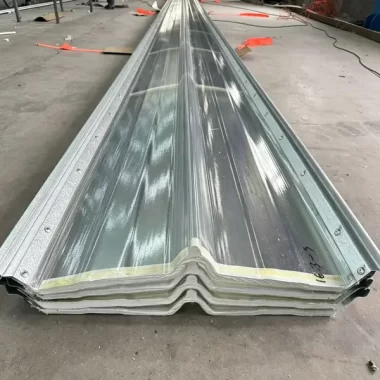

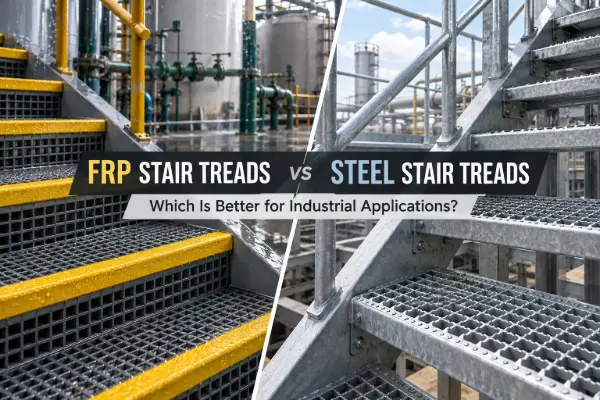
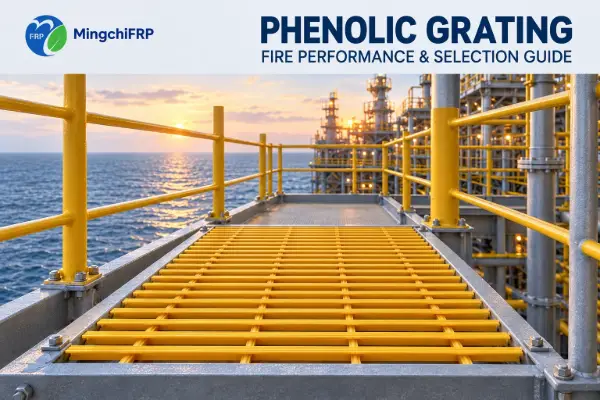
Choosing the best grating for an industrial project involves more than simply comparing materials. Factors such as corrosion resistance, load capacity, weight, safety, and long-term maintenance all play an important role in determining the right solution for your application.
Whether you’re designing a factory walkway, chemical processing facility, wastewater treatment plant, or offshore platform, you’ll likely encounter three common grating materials: steel, wood, and FRP (Fiberglass Reinforced Plastic). Each offers unique advantages and limitations depending on the operating environment.
In this guide, we’ll compare these materials across four key factors—corrosion resistance, durability, weight, and slip resistance—to help you identify the most suitable grating solution for your industrial project.
4 Key Factors to Consider When Choosing the Best Grating
Weight & Installation
Grating weight directly affects transportation, installation efficiency, and structural load requirements.
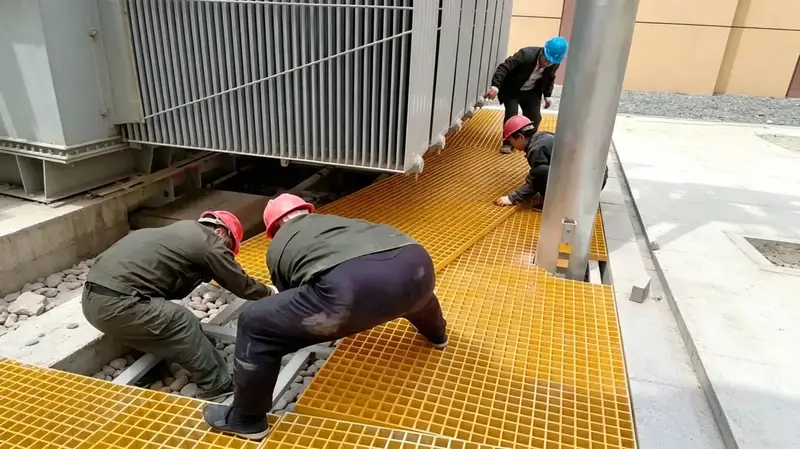
Steel grating is heavy and often requires multiple workers or lifting equipment during installation, increasing labor costs and project time. In contrast, FRP grating weighs approximately 75% less than steel, allowing a single worker to handle most panels without cranes or specialized equipment.
▪ Key Takeaway: If reducing installation costs and structural loads is a priority, lightweight FRP grating offers a clear advantage.
Résistance à la corrosion
Corrosion can significantly shorten the lifespan of traditional grating materials.
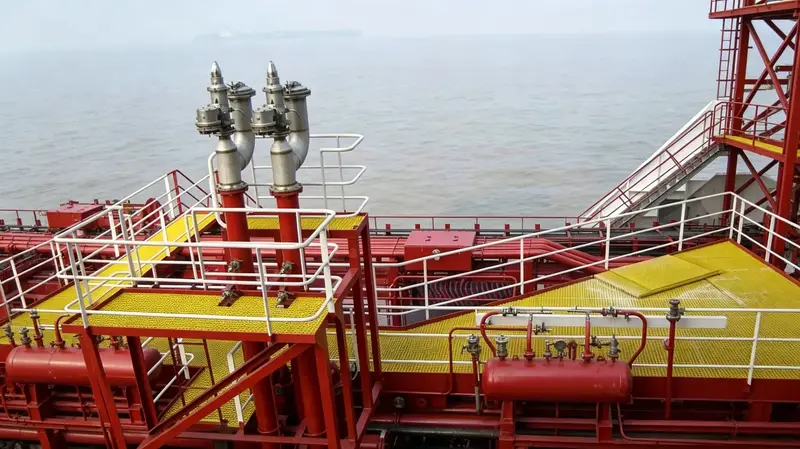
Steel grating is prone to rust in wet, chemical, or coastal environments and often requires ongoing maintenance. Wood can rot, absorb moisture, and suffer insect damage. FRP grating is an anti corrosion grating solution that resists acids, alkalis, salt spray, and moisture without rusting or rotting.
▪ Key Takeaway: For chemical plants, marine facilities, and wastewater treatment projects, FRP grating is often the most reliable choice.
Résistance antidérapante
Safety is essential in industrial environments where wet or slippery conditions are common.
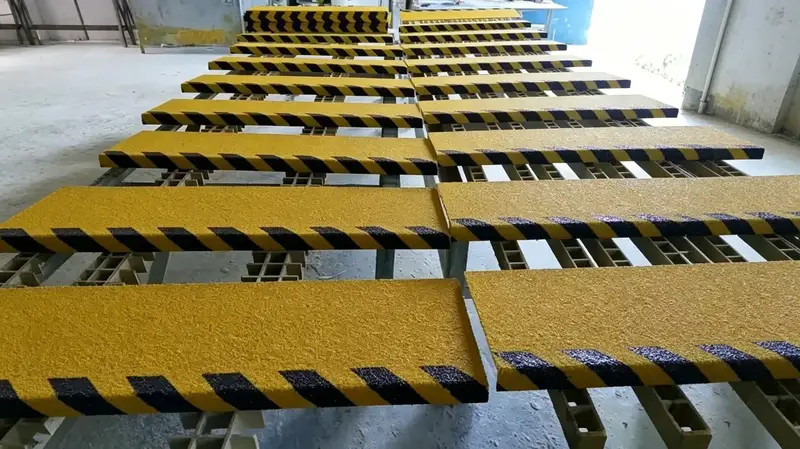
Although steel grating can use serrated surfaces, traction may decrease as the surface wears. FRP grating is available with molded grit or anti-slip surfaces that maintain high slip resistance even in wet conditions.
▪ Key Takeaway: For facilities where worker safety is critical, FRP grating provides dependable non-slip performance.
Total Cost of Ownership
The initial purchase price is only one part of the overall investment.
While steel grating may cost less upfront, ongoing expenses such as rust removal, repainting, and replacement can significantly increase long-term costs. FRP grating typically requires little to no maintenance and can provide a service life of 20 years or more.
▪ Key Takeaway: Although the initial investment may be higher, FRP grating often delivers a lower total cost of ownership over its lifetime.
Comparaison des caillebotis PRF, acier et bois
| Caractéristique | Grille FRP | Caillebotis en acier | Caillebotis en bois |
|---|---|---|---|
| Unit Weight (per same area) | Environ 25 % du poids de l'acier | Baseline (heaviest option) | Environ 50 à 70 % du poids de l'acier |
| Installation et manutention | Installation manuelle facile, pas besoin d'équipements de levage lourds | Nécessite souvent une grue ou un engin de levage mécanique | Manutention manuelle possible, mais limitée par la taille et la sensibilité à l'humidité |
| Résistance à la corrosion | Très résistant aux acides, aux alcalis et aux environnements d'eau salée | Sensible à la rouille sans revêtement protecteur | Sensible à l'humidité, à la pourriture et aux champignons |
| Résistance antidérapante | Peut être moulé avec une surface antidérapante à grain grossier pour la sécurité | Dépend du traitement de surface et s'use avec le temps | Friction modérée, mais devient glissant lorsqu'il est humide |
| Besoin d'entretien | Très peu d'entretien, pas de nouvelle peinture nécessaire | Nécessite un revêtement antirouille et des contrôles réguliers | Nécessite un entretien anticorrosion, anti-insectes et anti-fissures |
| Durée de service | 15–25 years (depending on environment) | 5–10 years (with proper protection) | 3–8 years (outdoor conditions reduce lifespan) |
Aperçu des spécifications techniques
| Paramètre | Spécification |
|---|---|
| Épaisseur | 6 mm, 10 mm, 12 mm, 15 mm (personnalisation possible) |
| Taille de maille | 38×38 mm, 50×50 mm, 25×100 mm |
| Capacité de charge | Jusqu'à 500 kg/m² (options supérieures disponibles) |
| Classement feu | Classe 1 ASTM E84 (en option) |
| Type de résine | Polyester, ester vinylique, phénolique |
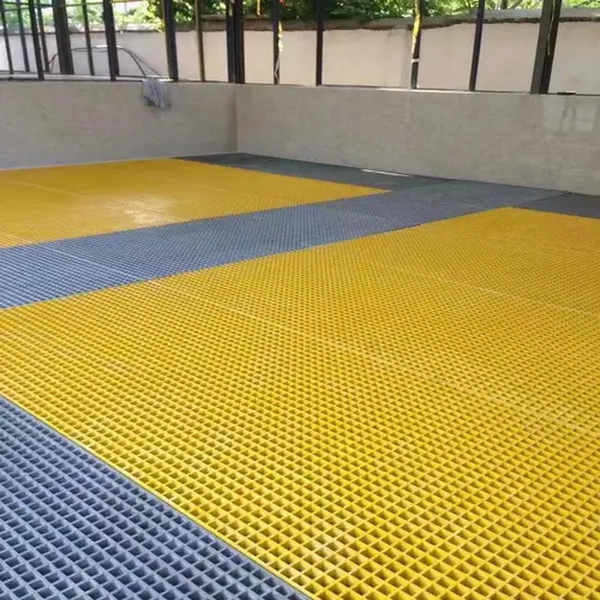
| Options de couleur | Jaune, gris, vert, orange, couleurs RAL personnalisées |
FRP Grating Applications Across Key Industries
Caillebotis FRP is widely used across industries that demand corrosion resistance, slip resistance, lightweight installation, and low maintenance. Below are common applications where FRP grating outperforms traditional materials.
1. Water & Chemical Processing
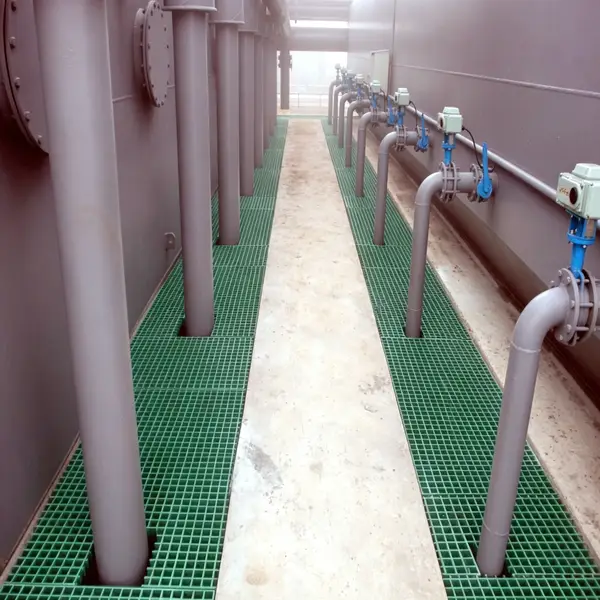
FRP grating is widely used in chemical plants, wastewater treatment facilities, and processing areas where exposure to acids, alkalis, and moisture is constant. It performs as a reliable chemical plant grating and corrosion resistant grating, and is also suitable for acid resistant flooring applications. Unlike steel, FRP will not rust or degrade in aggressive environments.
2. Marine & Dock Applications
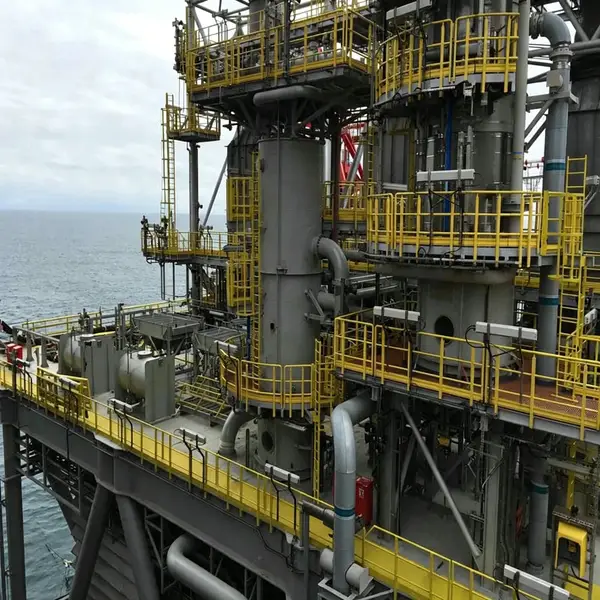
Ideal for piers, docks, shipyards, and offshore platforms, FRP grating is a preferred marine grating solution. It provides excellent resistance to saltwater corrosion, remains highly non slip even in wet conditions, and offers lightweight handling for faster installation on dock structures and marine walkways.
3. Electrical & Energy Facilities
FRP grating is naturally non-conductive, making it suitable for substations, power plants, and energy facilities. As an insulated grating solution, it enhances operational safety by eliminating electrical conductivity risks and is commonly used in substation grating and power plant flooring systems.
4. Industrial Platforms & Manufacturing
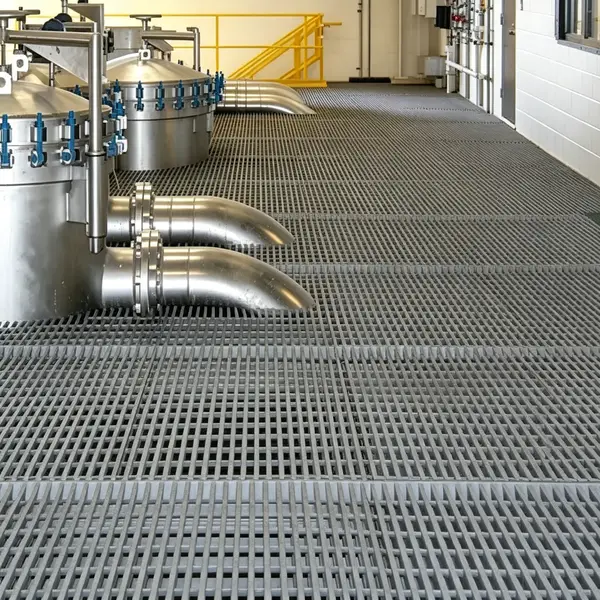
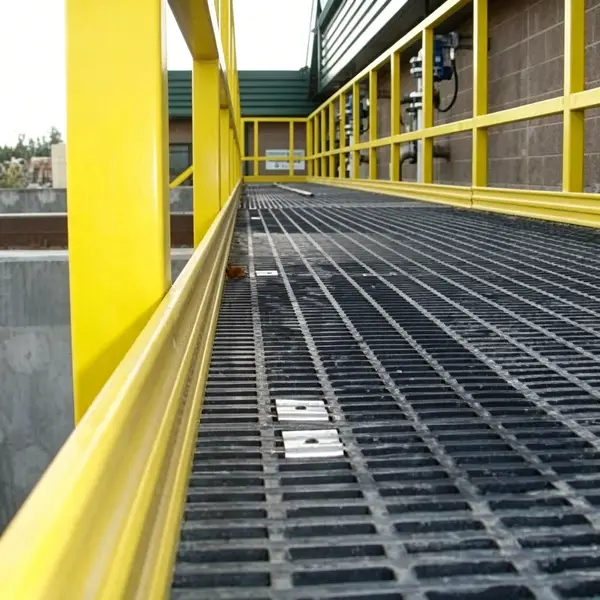
In factories, production lines, mezzanines, and heavy-duty walkways, FRP grating delivers strong load capacity with minimal maintenance. It is widely used as industrial grating for platform flooring and factory walkway systems where durability and safety are essential.
5. Infrastructure & Public Projects
FRP grating is also used in pedestrian bridges, trench covers, and municipal walkways. As a durable bridge grating and pedestrian grating solution, it offers UV resistance, slip safety, and long-term outdoor performance in public infrastructure projects.
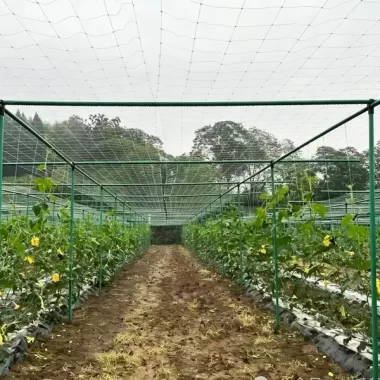
6. Agriculture & Greenhouse Applications
In agricultural environments, FRP grating resists fertilizers, moisture, and chemical exposure. It is commonly used as greenhouse flooring, livestock walkway grating, and anti slip farm flooring due to its corrosion resistance and easy-clean surface.
7. Car Wash & Wet Environments
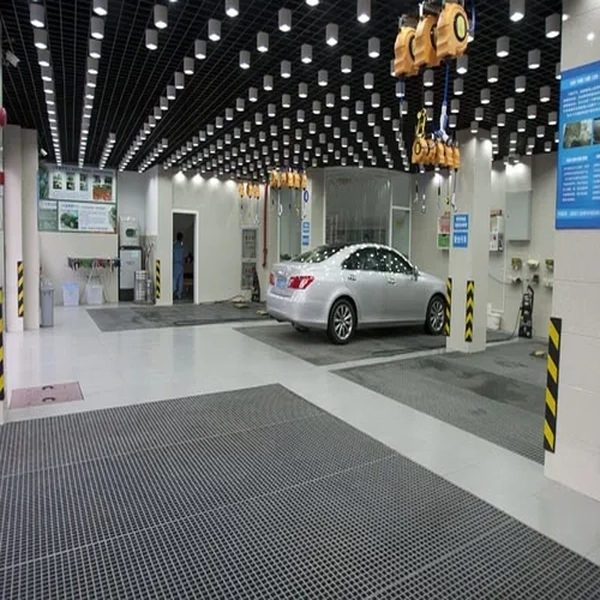
FRP grating performs extremely well in car wash bays and drainage systems where water, detergents, and chemicals are constantly present. As a car wash grating and anti slip drainage flooring solution, it provides excellent drainage performance and will never rust under continuous wet conditions.
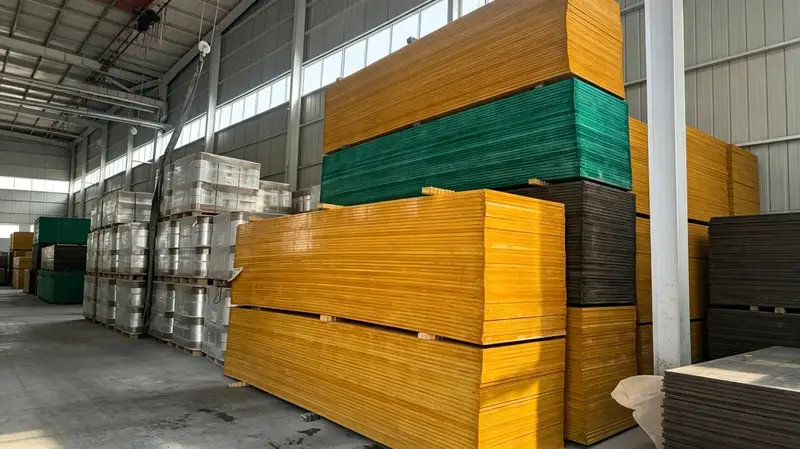
Certifications, capacité d'usine et expérience d'exportation mondiale
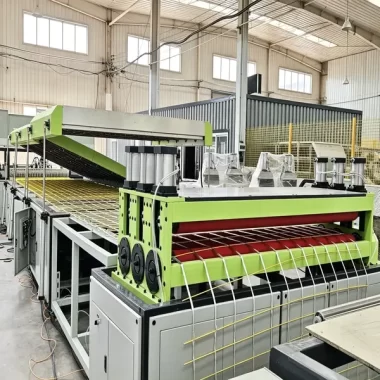
Afin d'assurer une qualité constante et des performances fiables, notre caillebotis en PRV est fabriqué selon des normes de contrôle qualité strictes et bénéficie de services d'ingénierie professionnels.
- Fabrication certifiée ISO 9001 – Garantit une qualité stable et des normes de production constantes
- Expérience d'exportation internationale – Produits exportés dans plus de 30 pays, dont les États-Unis, le Canada, le Royaume-Uni, l'Australie et l'Allemagne
- Approvisionnement direct d'usine – Prix compétitifs sans frais d'intermédiaires
- Échantillon gratuit disponible – Fourni pour les projets qualifiés et les demandes sérieuses
- Support technique d'ingénierie – Assistance technique pour dimensions sur mesure, exigences de charge et solutions adaptées aux projets
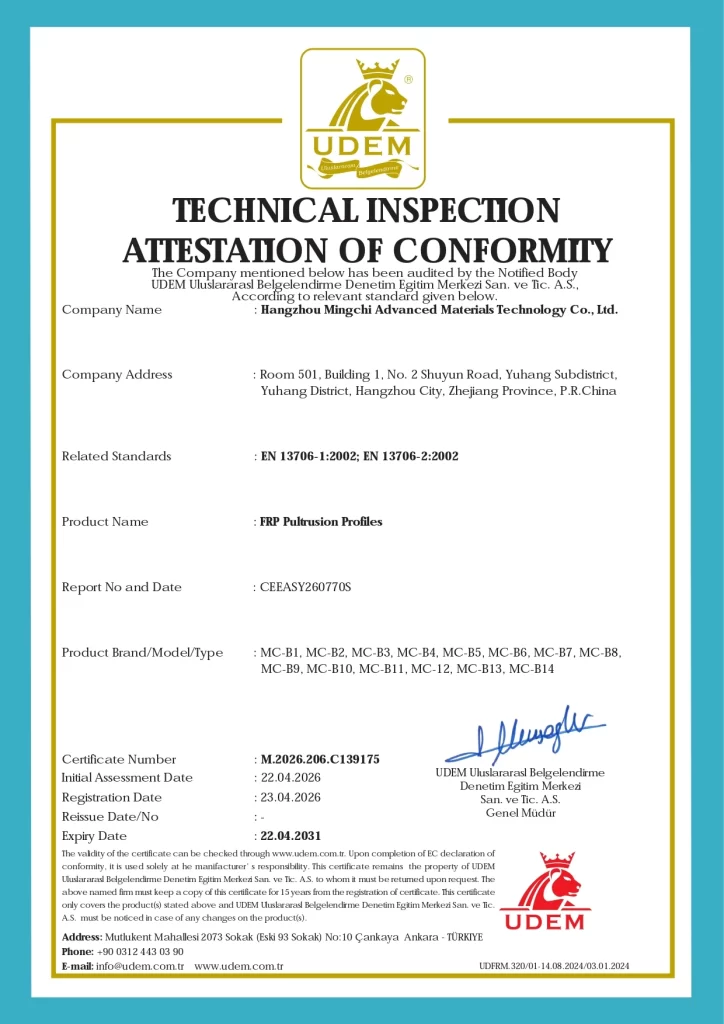
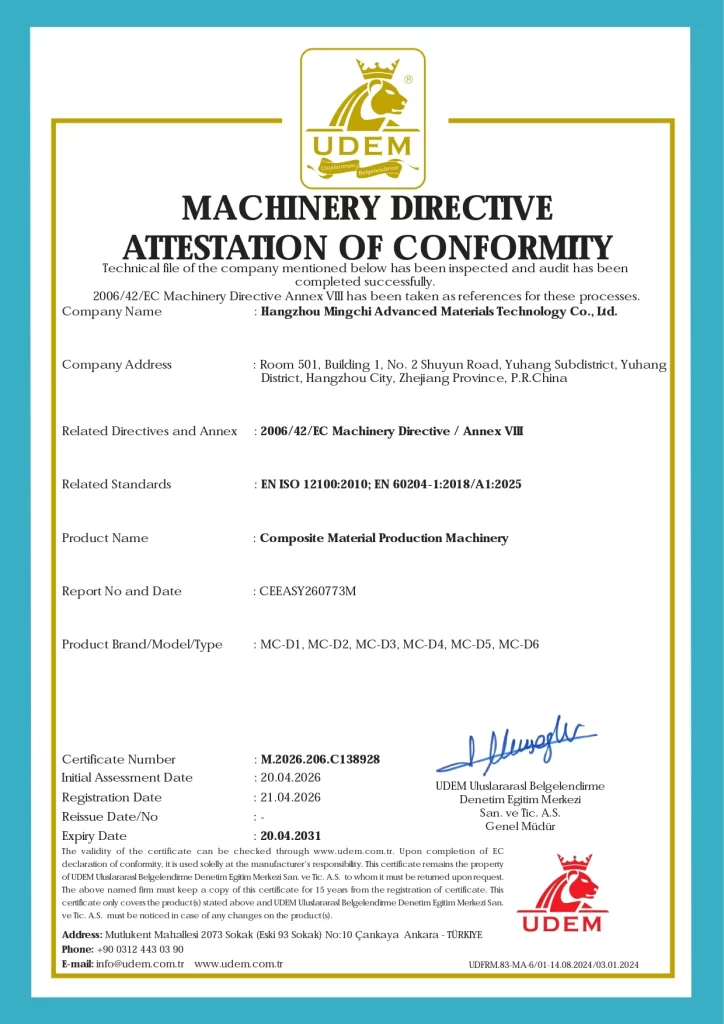
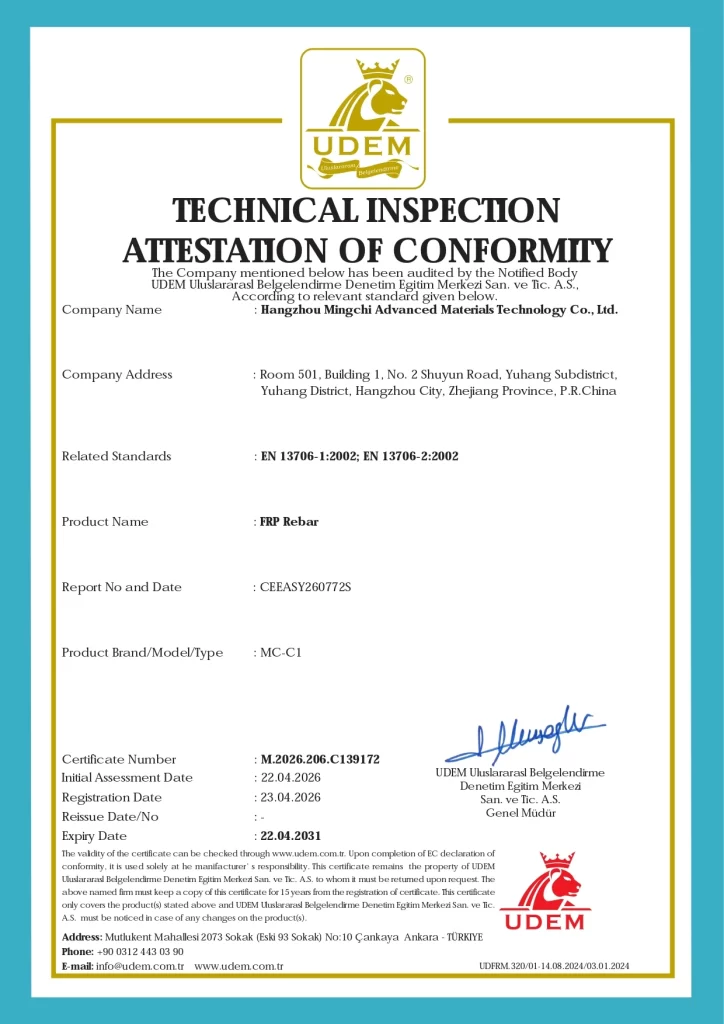
Dotés d'une forte capacité de production et d'une expérience internationale, nous proposons des solutions de caillebotis en PRV fiables pour les secteurs industriel, maritime, chimique et les infrastructures du monde entier.
Questions Fréquentes
Q1: Is FRP grating as strong as steel?
A1: Yes, for walkway and platform load applications. Our standard FRP grating supports up to 500 kg/m², and higher load capacities are available upon request for heavy-duty projects.
Q2: How do I install FRP grating?
A2: Installation is simple using standard tools such as saws and drills. No welding is required. We also provide installation clips and technical guides to support on-site assembly.
Q3: Can you cut FRP grating to custom sizes?
A3: Yes, we offer free cutting services based on your drawings or project requirements to ensure precise fit and easy installation.
Q4: What is the lead time for FRP grating production?
A4: Standard production lead time is typically 7–15 days, depending on order quantity and specifications, plus shipping time.
Q5: Is FRP grating suitable for chemical and marine environments?
A5: Yes, FRP grating is highly resistant to acids, alkalis, and saltwater corrosion, making it ideal for chemical plants, wastewater treatment facilities, and marine applications.
Q6: Do you provide technical support for project design?
A6: Yes, our engineering team can assist with load calculations, structural recommendations, and product selection to ensure the right grating solution for your project.
Not Sure Which Grating Is Right for Your Project?
Choosing the best grating depends on your application, environment, and load requirements. If you’re not sure which solution fits your project, our team at MingchiFRP (Verre Renforcé Mingchi) can help.
We provide free recommendations based on your technical requirements to help you select the most suitable grating solution—whether you need durable grating, lightweight grating, anti corrosion grating, or non slip grating.