
Introduction du produit
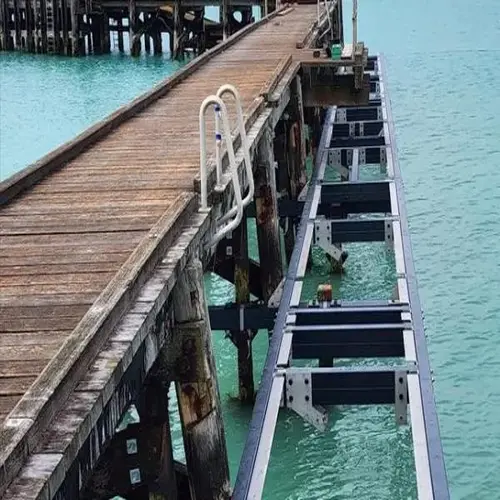
The framework beneath a coastal walkway supports the deck panels and transfers pedestrian loads to the supporting structure. Salt spray, moisture and limited access beneath the deck make material selection and maintenance planning especially important.
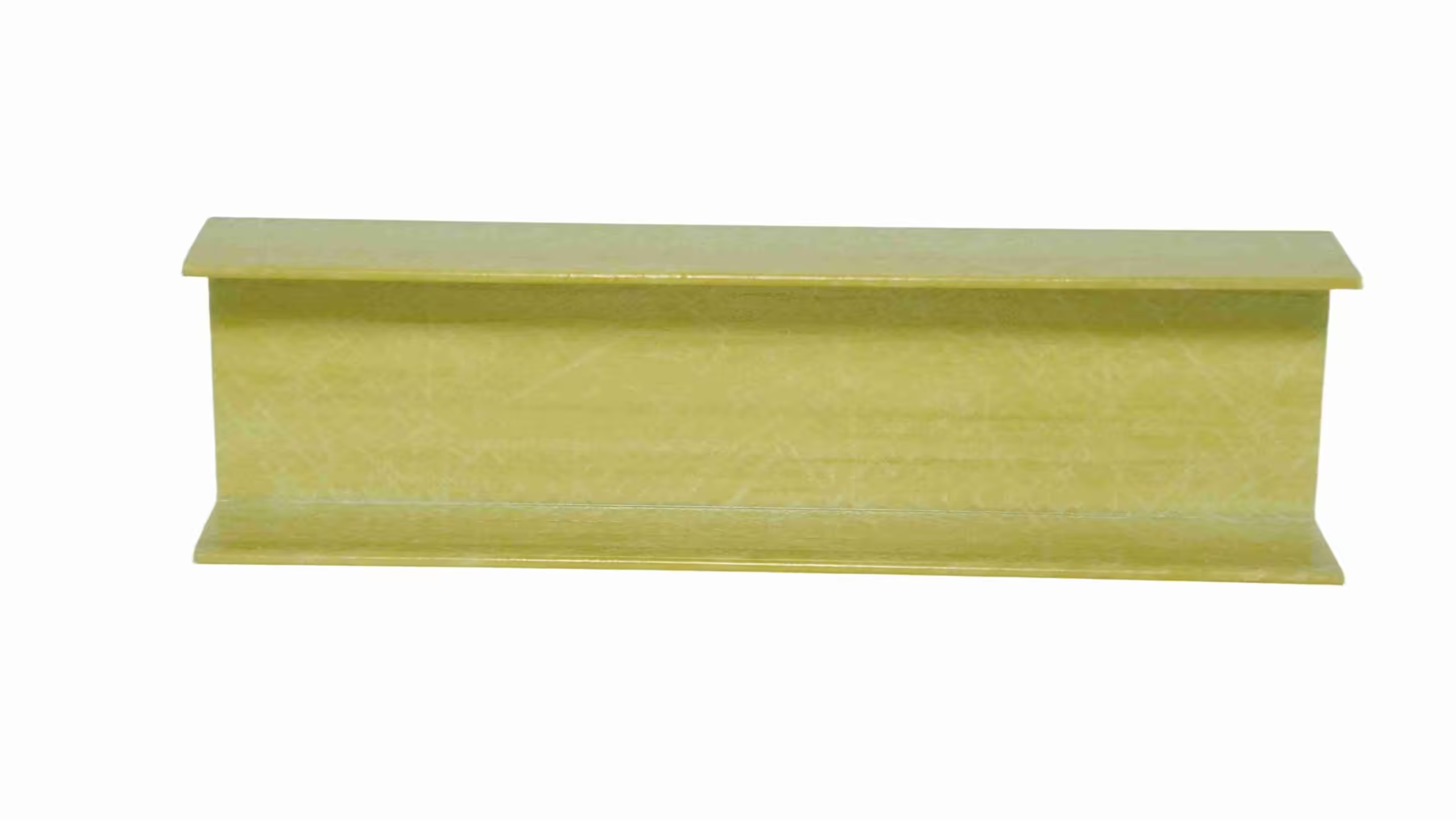
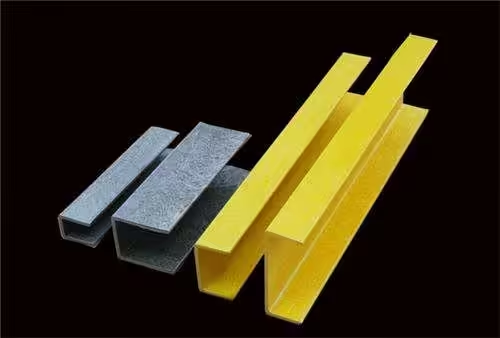
À propos de Mingchi FRP C Channel is a pultruded fiberglass section that can be incorporated into coastal walkway subframes. Its open channel shape provides surfaces for deck seating and bolted connections, according to the assembly design.
A walkway frame may combine longitudinal members with transverse supports to create repeated deck bays. Channel dimensions, support spacing and connection details must be coordinated with the selected flooring and site conditions.
Key Advantages for Coastal Walkway Frames
Non-Rusting Fiberglass Construction
FRP channel avoids the rusting associated with steel members. The resin system and surface protection should be specified for the intended coastal exposure.
A Framework Coordinated with the Deck
Channel members can be arranged around the panel layout, providing support lines and attachment locations for the decking. This helps coordinate the frame and flooring as one assembly.
Lighter Members for Site Handling
Compared with steel channels of the same dimensions, fiberglass channels are lighter to handle. This can help when transporting individual members along narrow access routes or positioning them beside an existing dock.
Accessible Connection Surfaces
The channel web and flanges provide surfaces for designed brackets and fixings. Connection positions can be specified before fabrication to match the supporting structure.
Reduced Rust-Related Maintenance
Using FRP members reduces the need for rust removal and anti-corrosion repainting on those members. Fasteners, brackets and the complete structure still require inspection.
Functions Within the Walkway Subframe
Longitudinal Deck Joists
Channels can run along the walkway as joists, supporting the decking at the required intervals. Their span and orientation depend on the structural arrangement.
Transverse Cross Members
Cross members can provide additional deck support and connect the longitudinal members into repeated frame bays. Their spacing should match the panel support requirements.
Perimeter Support Members
Channels may form the outer edges of the subframe, providing deck-edge seating and attachment points where specified.
Connections to Existing Supports
For refurbishment work, channel frames can connect to retained supports through designed brackets. The condition and capacity of the existing structure must be assessed before installation.
Local Brackets and Panel Seating
FRP angle profiles can complement channel members in local connection or seating details where required by the drawings.
Coastal Applications
Seaside Pedestrian Walkways
Support frames beneath coastal walking routes, viewing areas and waterfront access paths.
Marina Access Walkways
Subframes for pedestrian access beside marina facilities, with exposure and loading requirements defined for the installation.
Pier-Side Walkway Extensions
Frames for new access sections alongside existing structures, subject to checks of the supporting points and connections.
Coastal Walkway Refurbishment
Replacement frame components for projects addressing deteriorated supports or changes to the deck layout.
Explore our marine and dock solutions for related coastal applications.
Technical Specifications
| Article | Spécification |
|---|---|
| Nom du produit | FRP C Channel / Fiberglass Channel |
| Main Application | Coastal Walkway Support Frame |
| Forme de section | Open C‑Shaped Channel |
| Procédé de fabrication | Pultrusion |
| Matériau | Glass Fiber Reinforced Resin |
| Section Dimensions | Specify channel depth, flange width and wall thicknesses |
| Member Length | According to frame layout and order requirements |
| Système de résine | Selected for the specified exposure conditions |
| Protection UV | Specify outdoor exposure requirements |
| Couleur | Available options to be confirmed |
| Fabrication | Cutting and drilling, subject to drawing review |
| Frame Arrangement | Longitudinal joists, cross members or perimeter supports |
| Deck Compatibility | Determined by panel type, span and fixing requirements |
| Fasteners and Brackets | Selected for the marine environment and connection loads |
| Structural Suitability | Subject to member, connection and supporting‑structure checks |
Matching the Frame to the Walkway Deck
The decking and support frame should be selected together. Panel span, bearing requirements and fixing positions determine where the channel members need to be placed.
For grating decks, review the selected panel’s load data and support requirements. Where pultruded grating is used, its bearing-bar direction must be coordinated with the frame layout.
Explore our molded FRP grating and FRP grating applications when planning the walking surface.
Slip resistance is provided by the deck surface. The channel subframe provides structural support beneath it.
Coastal Design and Installation Considerations
Define the Exposure
Distinguish between salt spray, occasional splashing and sustained immersion. Specify any tidal, wave or storm exposure so the complete structure can be designed accordingly.
Check Span and Deflection
Select the channel section using the walkway loads, unsupported lengths and allowable movement. Matching the dimensions of a previous steel member does not establish equivalent performance.
Coordinate Deck and Railing Loads
If railing posts attach to the subframe, include their loads in the member and connection design. Our Systèmes de rampes en PRF provide related railing options.
Specify Suitable Connections
Fasteners and brackets must suit the exposure conditions as well as the required connection capacity. A fiberglass frame does not make its metal fittings corrosion-proof.
Allow for Inspection
Plan access to connections beneath the deck where practical. Follow the fabrication guidance for drilled holes, cut ends and exposed surfaces.
Custom Fabrication and Supply
Provide the frame drawing so channel lengths and connection locations can be coordinated before production.
Order details can include:
- Channel section dimensions
- Member lengths and quantities
- Deck panel layout and support spacing
- Hole diameters and positions
- End cuts and bracket details
- Resin, color and outdoor exposure requirements
- Inspection documents and member identification
Manufacturing and Quality Control
Mingchi supplies pultruded FRP channels to agreed order specifications.
Inspection requirements can cover section dimensions, straightness, cut lengths, drilled-hole locations and surface condition. For fabricated frame kits, agree on component identification and packing arrangements to help organize site assembly.
Mechanical data and project-specific inspection requirements should be confirmed before ordering.
Why Choose Mingchi FRP?
Application-Focused Profile Supply
Specify the channel’s position and function within the walkway frame so the supply requirements are clear.
Fabrication Based on Drawings
Review cut lengths, hole patterns and connection details before production.
Related Deck and Frame Products
Consider channel members alongside grating panels, angle brackets and railing components when defining the assembly.
Support for New and Replacement Work
Submit either a new frame layout or drawings of the existing structure and the components to be replaced.
Explore more FRP profile applications for fabricated support structures.
Questions fréquentes
What does FRP C Channel do beneath a coastal walkway?
It can act as a deck joist, cross member or perimeter support, transferring deck loads to the supporting structure.
Can it replace timber or steel supports?
Replacement requires a design review. Material properties, support spacing, connection behavior and the condition of retained supports must be considered.
How should support spacing be selected?
Spacing depends on the decking span limits and the frame design. Use the load data for the selected deck panels and channel section.
Can the channel be used in seawater?
Suitability depends on the resin system, exposure duration and structural requirements. Confirm immersion or splash-zone conditions before selecting the material.
Can FRP channels be supplied pre-drilled?
Drilling requirements can be reviewed against fabrication drawings. Include hole sizes, positions and tolerances.
Does the frame require maintenance?
Routine inspection remains necessary, particularly at fasteners, brackets, anchors and damaged areas. FRP members avoid rust-related maintenance.
What should I send for a quotation?
Start with the walkway dimensions, support layout, channel requirements and quantities. Include the deck type and coastal exposure conditions where available.
Demander un devis
Planning a coastal walkway or replacing its support frame?
Contact Mingchi FRP with your layout, channel dimensions and quantity. Include the decking type and site exposure so we can review the profile supply and fabrication requirements.


Chaîne de production
Nous produisons FRP C Channel on fully automated pultruded production lines, with stable and consistent process control throughout manufacturing. We implement strict quality inspections from raw material selection to final packaging, ensuring every channel delivers uniform quality and dependable performance for all kinds of industrial and engineering construction applications.
