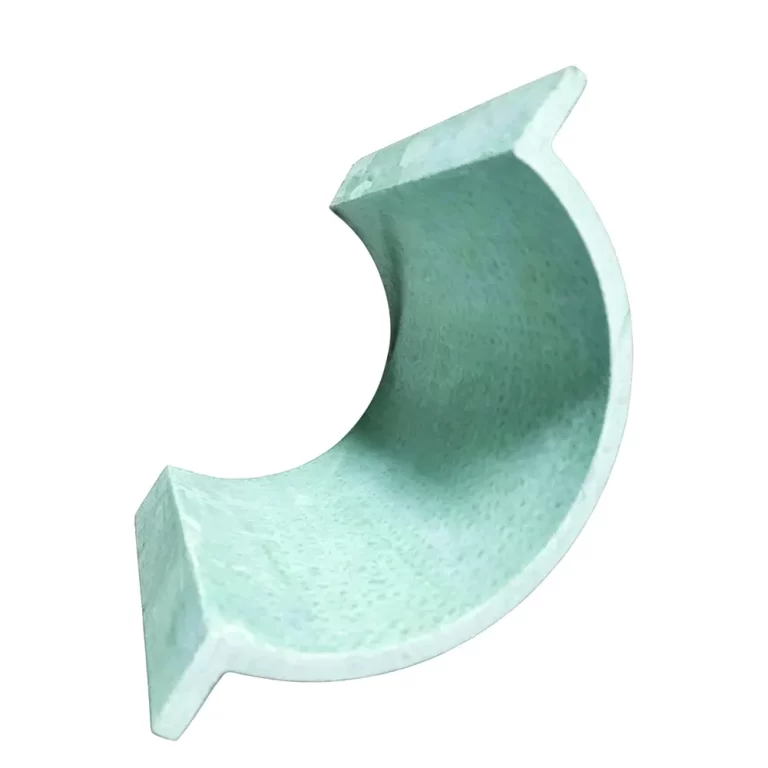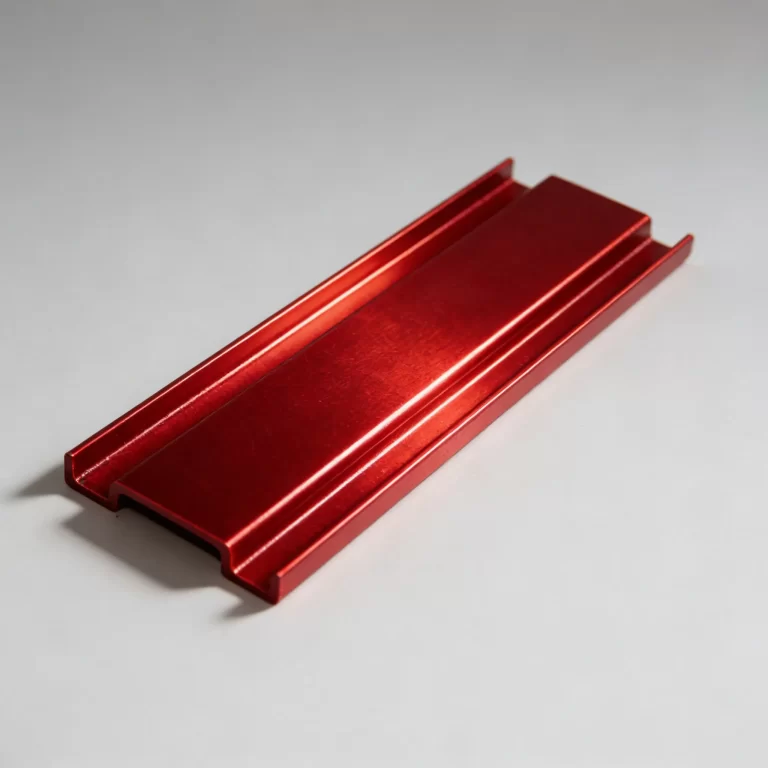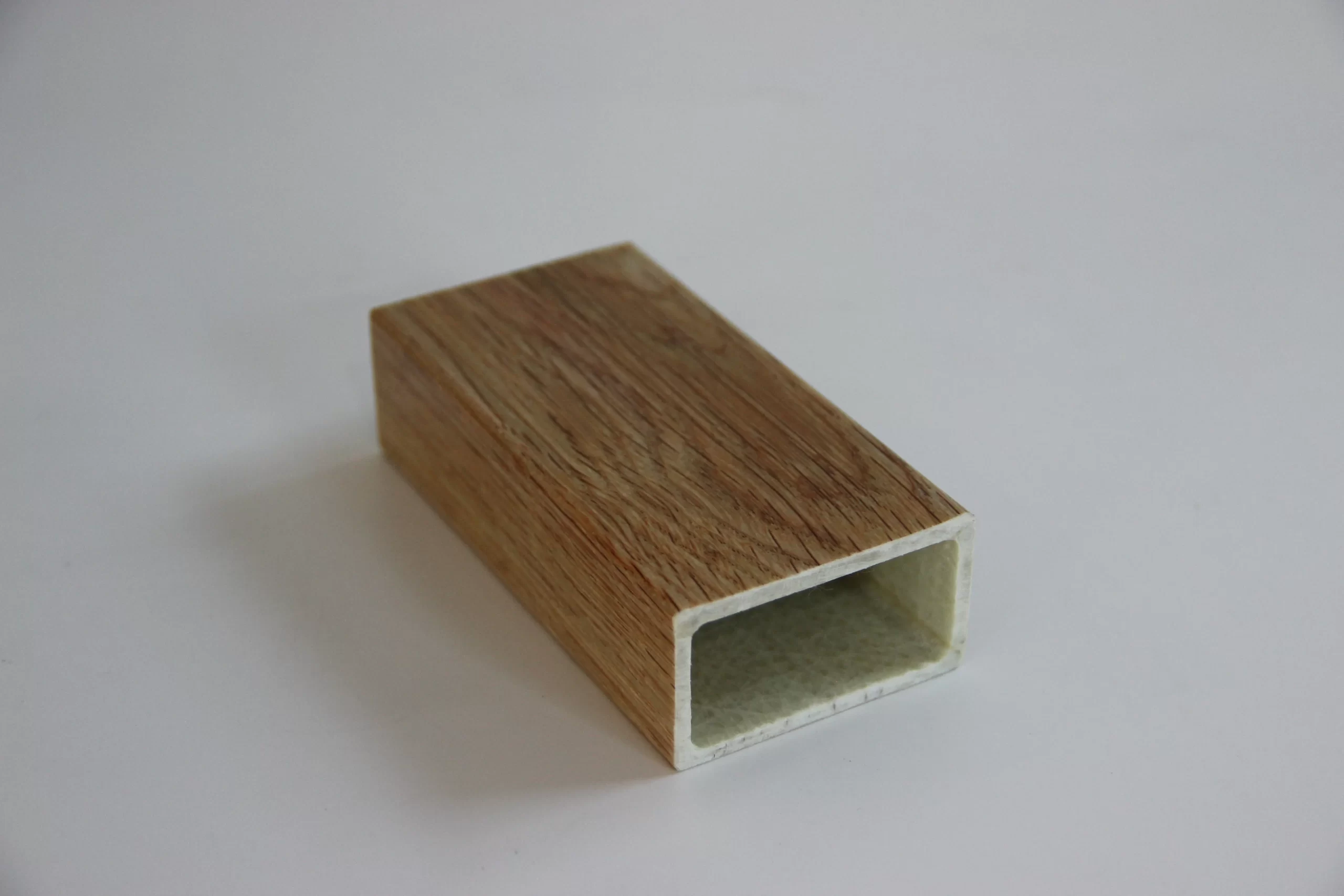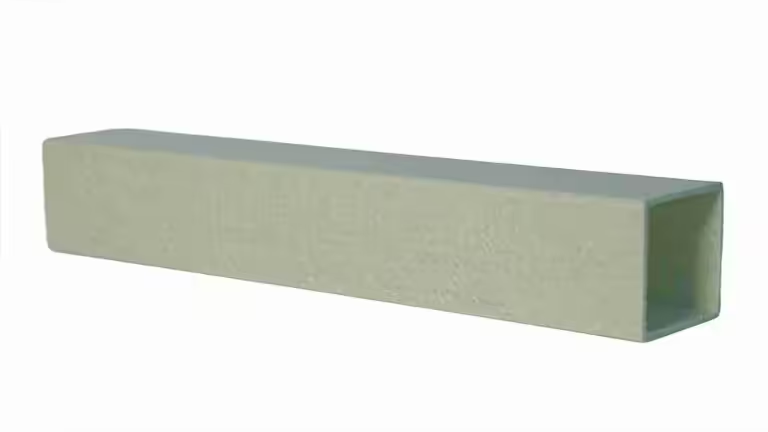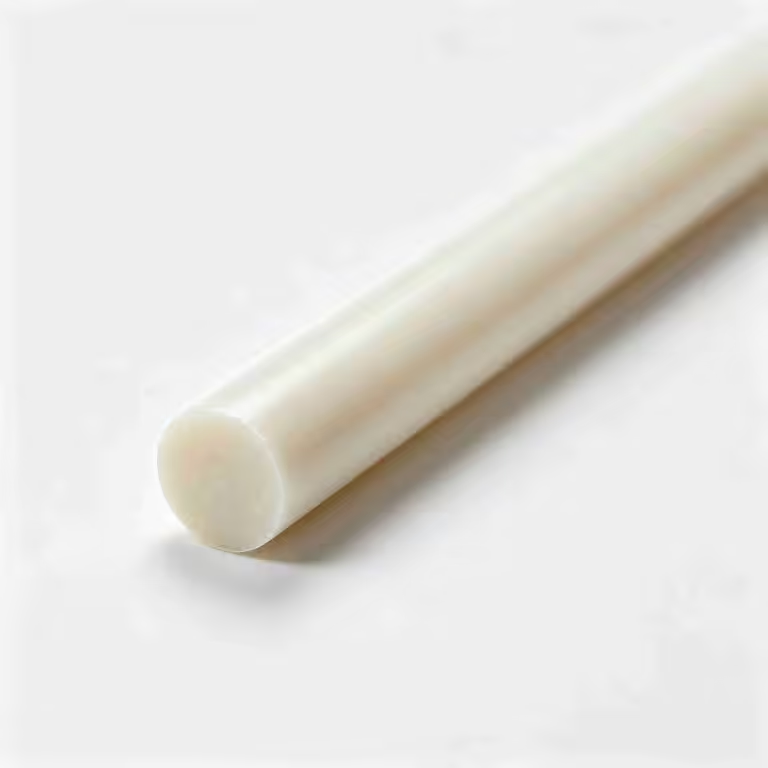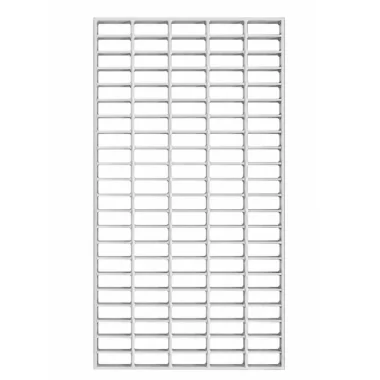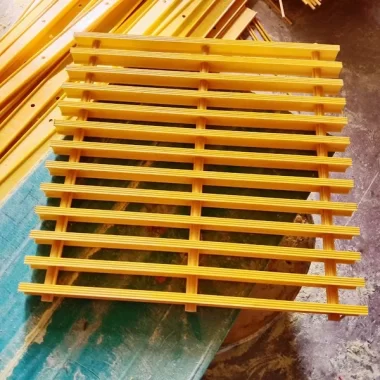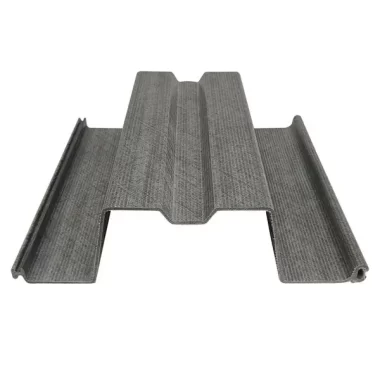

Corrosive environments such as coastal zones, chemical plants, wastewater facilities, and offshore platforms constantly challenge traditional construction materials. Steel, aluminum, and wood easily rust, rot, or degrade under chemical exposure and salt air. Pultruded fiberglass has become the top choice for these harsh settings, thanks to its inherent material structure and engineered performance advantages.
Superior Natural Corrosion Resistance
Pultruded fiberglass contains no metallic components, so it will never rust, corrode, or react with saltwater, acids, alkalis, and industrial chemicals. Unlike metal that needs regular coating and anti-corrosion treatment, it maintains stable performance long-term without chemical degradation in highly corrosive surroundings.
Dense Resin-Rich Structure
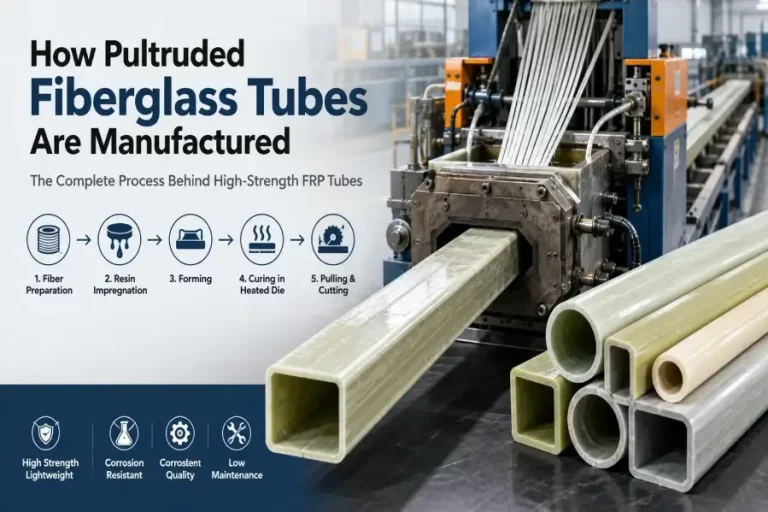
The continuous pultrusion process saturates fiberglass rovings fully with premium resin, forming a tight, void-free composite structure. This high resin-to-fiber ratio creates a solid protective barrier that blocks moisture and corrosive agents from penetrating inner fiber layers, greatly improving chemical tolerance.
Outstanding Weathering and UV Stability
Engineered with UV-stable resin systems and surface veil layers, pultruded fiberglass resists fading, cracking, and brittleness under prolonged sunlight and extreme weather. It stands up to high humidity, temperature swings, and coastal salt spray without surface chalking or structural weakening.
High Strength-to-Weight Performance
Even with strong corrosion resistance, pultruded fiberglass remains lightweight yet structurally rigid. It delivers higher tensile and flexural strength while weighing far less than steel, making transportation and installation easier in remote or corrosive industrial sites. Its unidirectional fiber layout ensures reliable load-bearing capacity for walkways, railings, platforms, and structural profiles.
Minimal Maintenance Requirements
Unlike metal that demands regular painting, welding, and rust removal, pultruded fiberglass requires almost no ongoing maintenance. It does not warp, rot, or corrode, cutting long-term labor, repair, and replacement costs significantly throughout its service life.
Customizable for Harsh Applications
Pultruded fiberglass can be formulated with vinyl ester, isophthalic polyester, or specialized resin grades to match different corrosive scenarios. Whether for wastewater treatment, chemical processing, marine infrastructure, or coastal municipal projects, it can be tailored to meet exact environmental resistance needs.
Final Conclusion
Pultruded fiberglass dominates corrosive environments because of its non-corrosive composition, dense resin structure, UV weatherability, lightweight strength, and maintenance-free performance. It outlasts traditional materials and delivers better lifetime value for industrial, marine, and coastal projects.
For high-performance pultruded fiberglass profiles designed for corrosive environments, check more professional solutions at mingchifrp.com.