
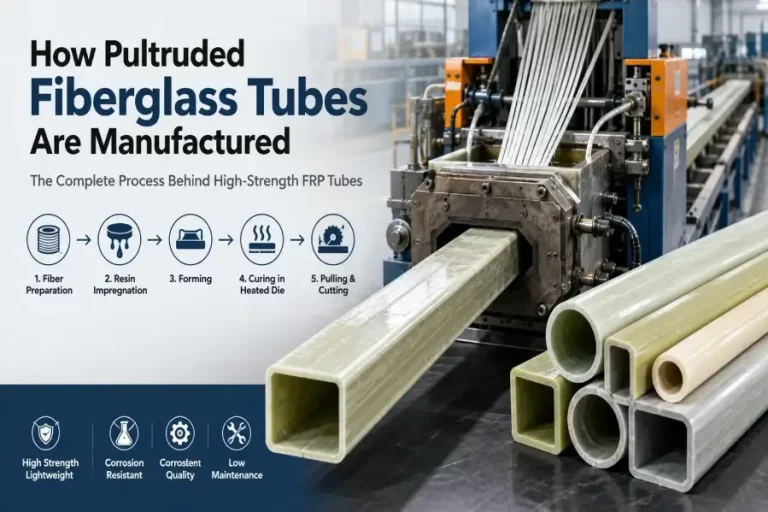
Choosing reliable FRP products can be challenging without clear technical benchmarks. For buyers, contractors, and engineers, knowing how to evaluate material performance, craftsmanship, and supplier credibility is essential to avoid premature failure and unnecessary costs. This technical buyer’s guide outlines practical, easy-to-follow criteria to identify premium FRP products for industrial, municipal, and commercial projects.
Key Indicators of Quality FRP Products
Visual Inspection (Surface & Color)
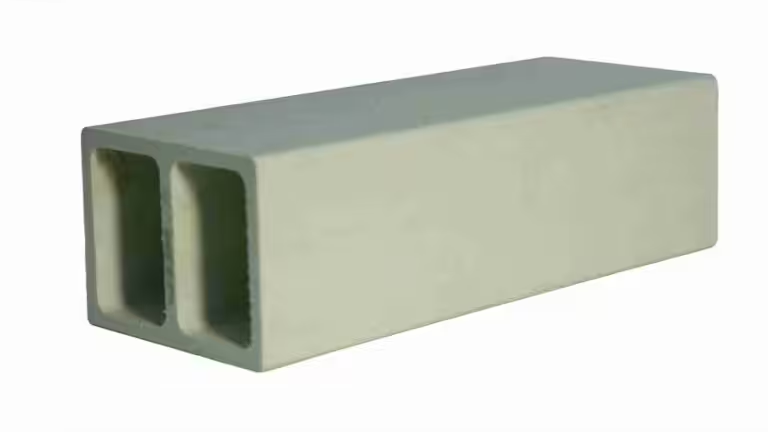
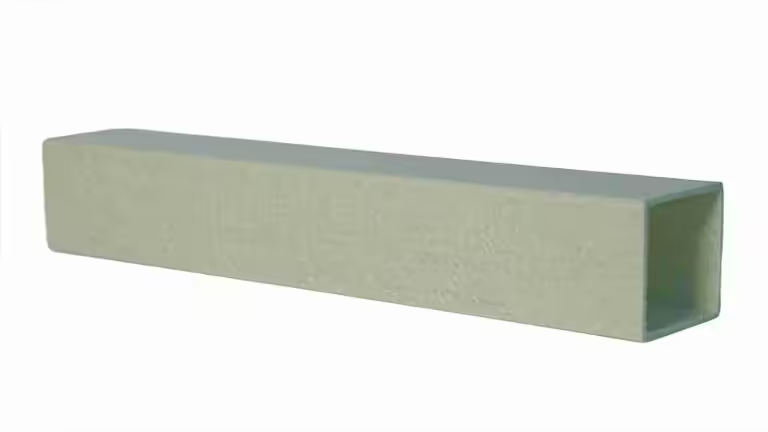
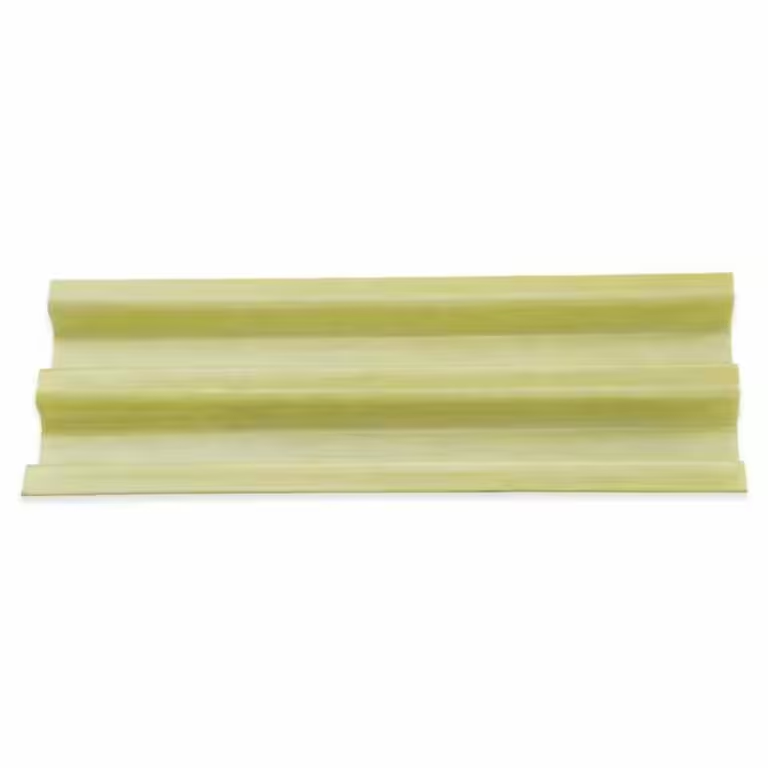
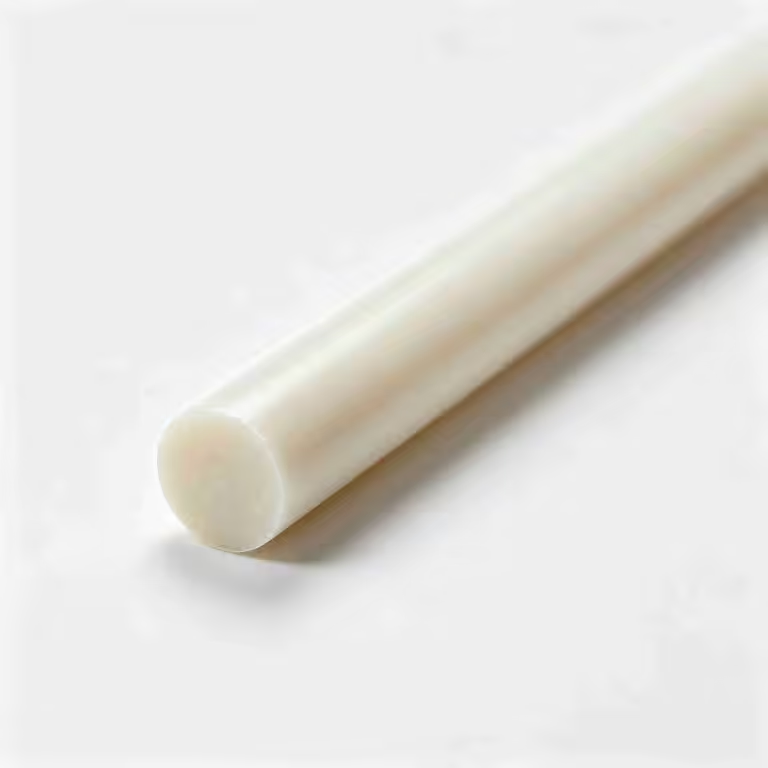
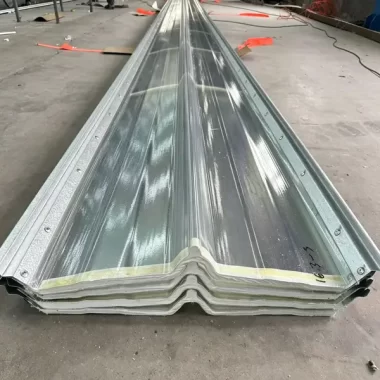
Quality FRP features a smooth surface, consistent color, minimal pores, and no visible cracks. Low-grade FRP often shows surface porosity, pinholes, or uneven curing that weaken long-term performance.
Surface Texture (Gritting)
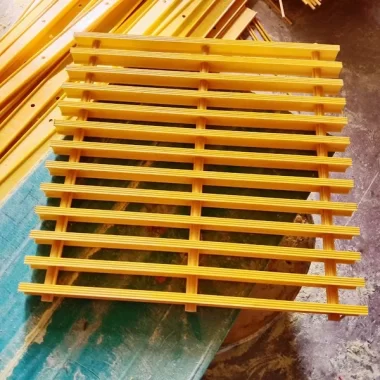
For FRP grating, quality products deliver even and consistent grit coverage across the entire surface, with no bald spots that compromise slip resistance and safety.
Resin-Rich Layer
A thick resin-rich surfacing veil is a clear sign of premium craftsmanship, offering enhanced corrosion resistance for harsh coastal, chemical, and wastewater environments.
Structural Integrity
High-quality FRP laminates are built with properly layered materials, including consistent chop strand mat, woven rovings, or filament winding, ensuring stable mechanical strength.
Structural Uniformity
Avoid FRP items with obvious cracks, abnormal discoloration from under-cured resin, or exposed fibers that indicate delamination and structural weakness.
Technical Evaluation Guidelines
Resin Type Selection
Match the resin grade to your working environment: vinyl ester resin for high-corrosion settings, and standard polyester resin for general-purpose applications to balance performance and cost.
Certification & Testing
Always request official test reports covering slip resistance to BS 7976, flame spread performance per ASTM E84, and certified structural load capacity to meet project safety standards.
Manufacturing Method
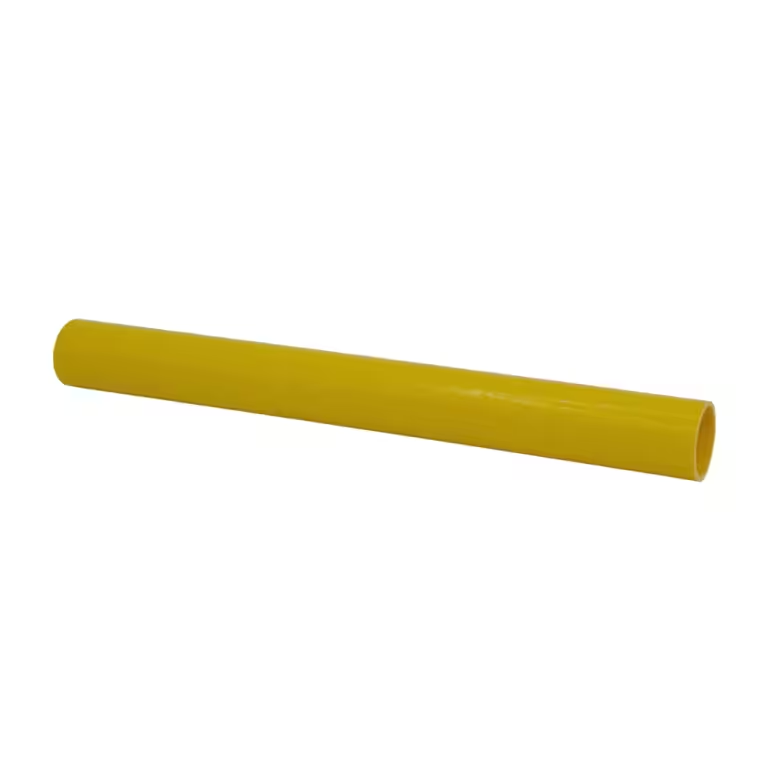
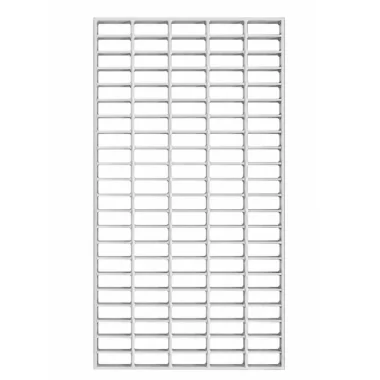
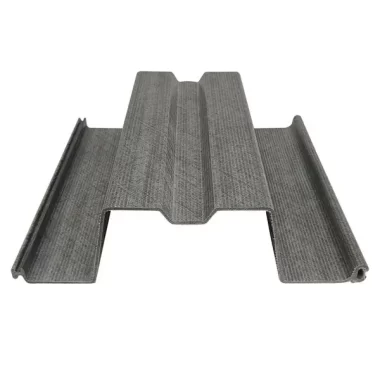
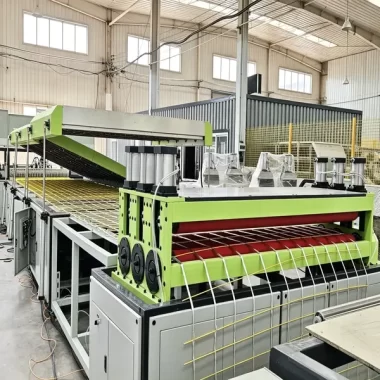
Understand production differences: molded grating provides excellent corrosion resistance, while pultruded FRP profiles deliver outstanding strength-to-weight ratios for structural use.
Material Uniformity
Check for consistent overall thickness and stable resin-to-fiber ratios throughout the product, ensuring uniform load bearing and weather resistance.
Manufacturer Vetting
Experience & Technical Support
Work with manufacturers with solid industry experience in your specific field, such as marine, chemical processing, or wastewater treatment, to ensure application-matched solutions.
Quality Management
Verify ISO 9001 certification to confirm standardized production procedures and strict quality control systems.
Complete Documentation
Reliable suppliers can provide full technical data sheets, engineering drawings, and structural calculation reports for project approval and future reference.
Final Conclusion
Identifying quality FRP products relies on three core steps: visual and structural inspection, professional technical evaluation, and careful manufacturer vetting. By following these clear indicators and guidelines, buyers can avoid inferior materials, reduce maintenance costs, and secure long-term project durability. For certified, high-standard FRP products with full technical support, visit mingchifrp.com to explore reliable solutions tailored to your project needs.