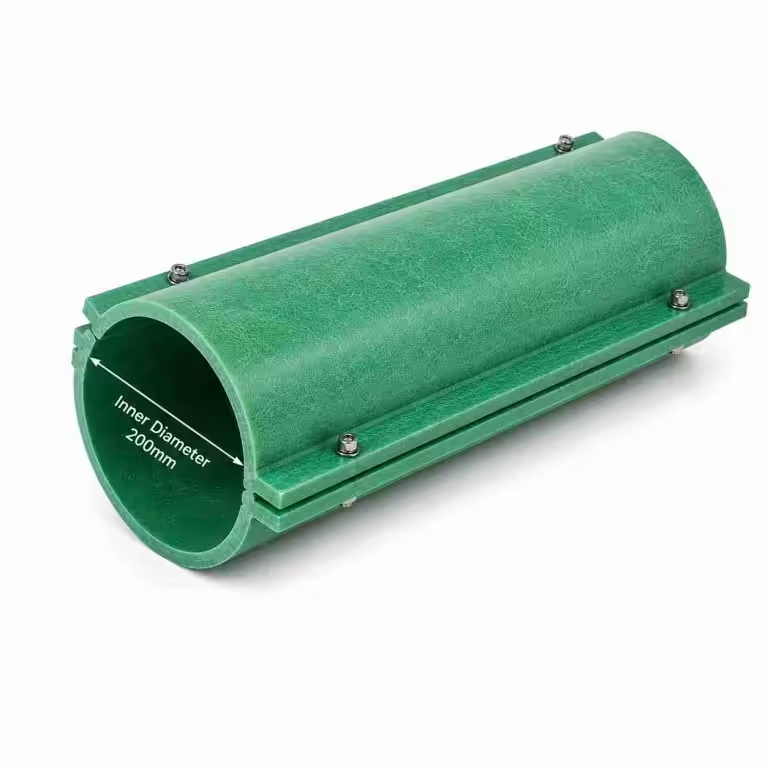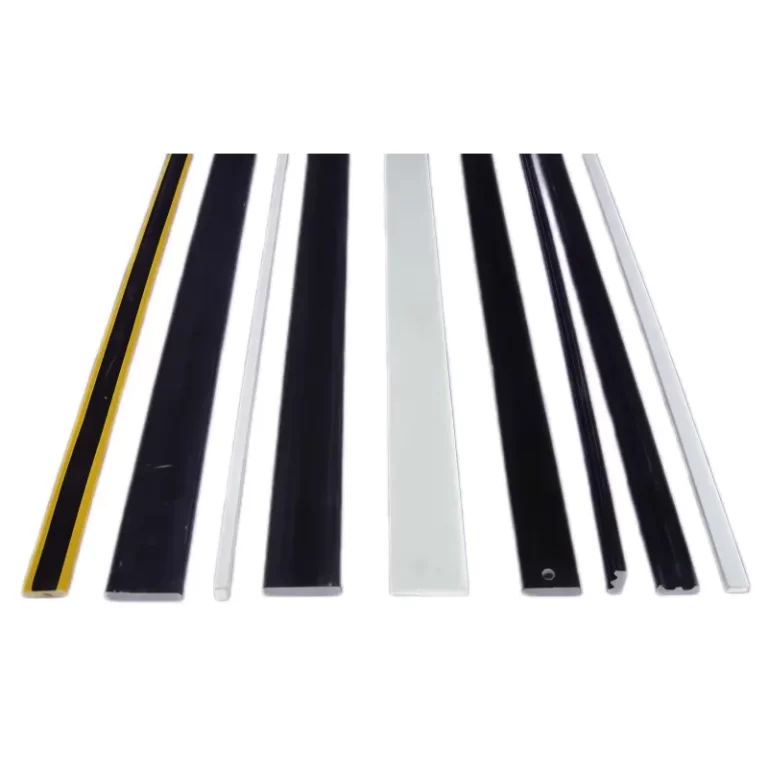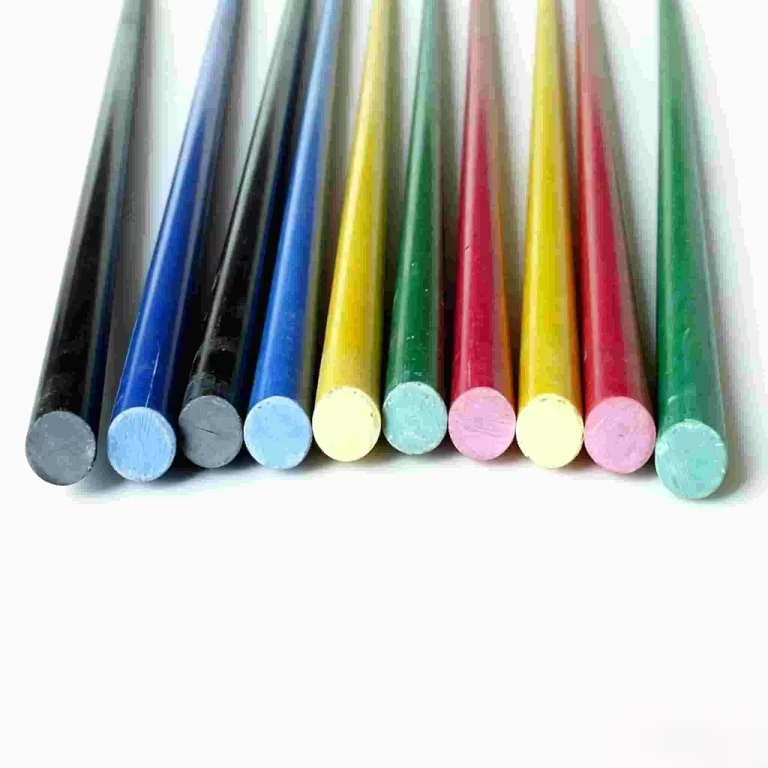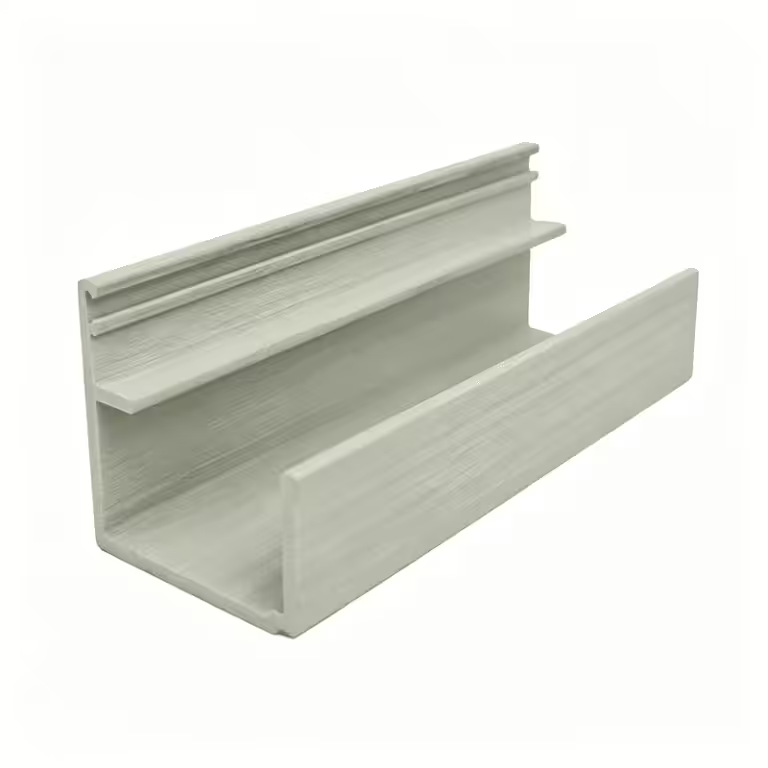

When engineers specify pultruded fiberglass tubes for industrial structures, electrical systems, marine projects, or construction, they rarely choose them based on appearance alone. What truly matters is the manufacturing process behind the product.
Unlike traditional steel or aluminum tubes, pultruded fiberglass tubes are created through a continuous manufacturing process that combines glass fiber reinforcements with high-performance thermosetting resins. The result is a lightweight structural profile that delivers exceptional strength, corrosion resistance, and dimensional consistency.
Understanding how these tubes are manufactured not only helps buyers evaluate product quality but also explains why pultruded FRP tubes have become the preferred choice in demanding industrial environments.
What Is Pultrusion?
Pultrusion is a continuous composite manufacturing process used to produce fiberglass profiles with a constant cross-section.
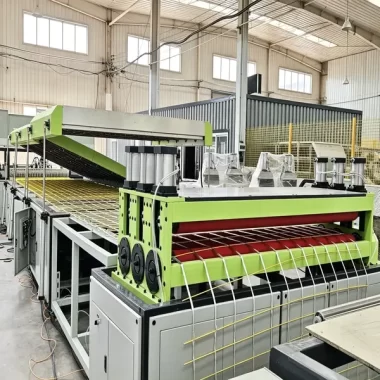
Unlike extrusion, which pushes molten material through a die, pultrusion pulls continuous glass fiber reinforcements through a resin bath and then through a heated steel die, where the resin cures into a rigid structural profile.
This continuous process ensures consistent dimensions, high fiber content, and excellent mechanical properties throughout the entire length of the tube.
Because every meter is manufactured under controlled conditions, pultruded fiberglass tubes offer reliable structural performance with minimal variation.
Step 1: Preparing Continuous Glass Fibers
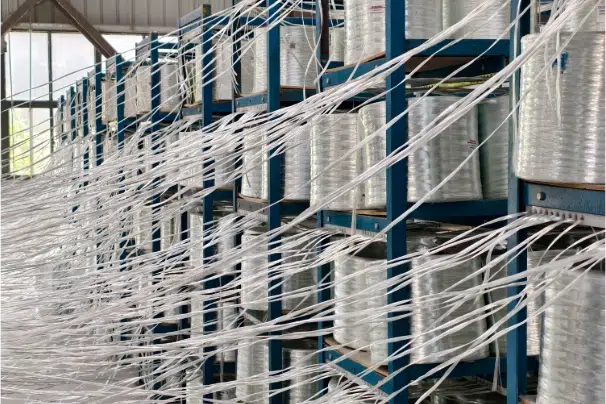
Everything begins with continuous fiberglass rovings.
These fibers provide the primary strength of the finished tube.
Additional fiberglass mats or stitched fabrics may also be incorporated to improve transverse strength, impact resistance, and surface quality.
The exact fiber architecture depends on the intended application. Tubes designed for structural support often contain a higher percentage of longitudinal fibers to maximize tensile and bending strength.
Step 2: Resin Impregnation
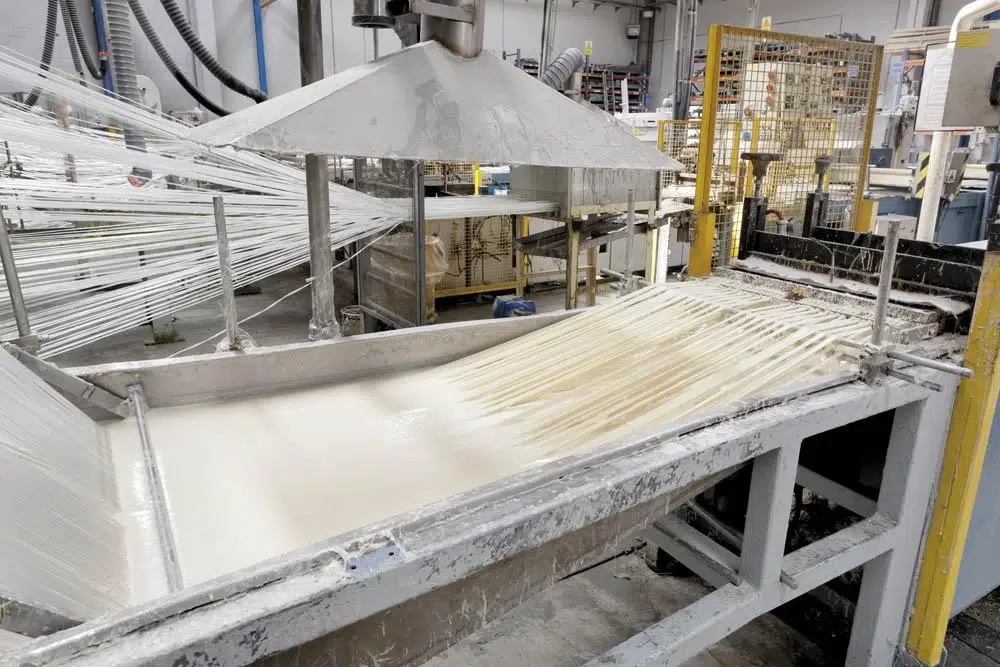
The glass fibers are then pulled through a carefully controlled resin bath.
This stage allows every fiber to become fully saturated with resin.
Depending on the project requirements, manufacturers typically select from several resin systems:
- Polyester Resin – economical and suitable for general industrial applications
- Vinyl Ester Resin – enhanced chemical and corrosion resistance
- Epoxy Resin – superior mechanical properties and fatigue performance for demanding structural applications
The resin formulation may also include:
- UV stabilizers
- Fire-retardant additives
- Pigments
- Fillers
- Processing catalysts
Selecting the appropriate resin system is one of the most important factors affecting the long-term performance of a fiberglass tube.
Step 3: Forming the Tube
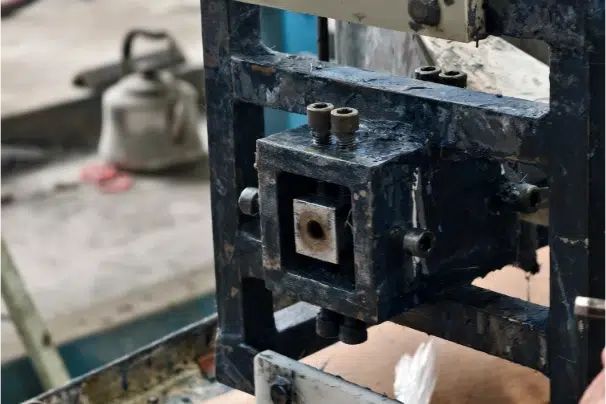
After resin impregnation, the wet fiberglass bundle enters a series of pre-forming guides.
These guides gradually shape the reinforcement into the desired tube profile before it reaches the heated die.
Careful pre-forming ensures that the fibers remain properly aligned, minimizing defects while maximizing structural efficiency.
Consistent fiber alignment directly contributes to higher load-bearing capacity and improved dimensional accuracy.
Step 4: Curing Inside the Heated Die

The pre-formed material is continuously pulled through a precision steel die.
Inside the die, heat activates the resin curing process.
As the resin polymerizes, the fiberglass reinforcement becomes permanently bonded into a rigid composite structure.
At this stage, the tube acquires its final dimensions, strength, and surface finish.
Unlike many manufacturing processes that require multiple forming operations, pultrusion completes shaping and curing in one continuous production cycle.
Step 5: Continuous Pulling and Cutting
A synchronized pulling system continuously moves the cured profile forward at a carefully controlled speed.
Once the desired length is reached, an automated flying saw cuts the tube without interrupting production.
Standard lengths are commonly supplied, while custom lengths can be manufactured according to customer specifications.
This continuous production process offers excellent manufacturing efficiency while maintaining consistent quality from one tube to the next.
Quality Control Throughout Production
High-quality pultruded fiberglass tubes undergo multiple inspection stages before shipment.
Typical quality checks include:
- Dimensional accuracy
- Wall thickness consistency
- Fiber distribution
- Surface quality
- Straightness
- Mechanical strength testing
- Resin curing verification
Strict quality control ensures that every tube meets both engineering specifications and long-term performance expectations.
Why the Pultrusion Process Produces Superior Tubes
Compared with many alternative composite manufacturing methods, pultrusion offers several significant advantages.
Excellent Strength-to-Weight Ratio
Continuous longitudinal fibers maximize structural strength while keeping overall weight remarkably low.
優れた耐食性
Because the fibers are fully encapsulated within cured resin, pultruded tubes perform exceptionally well in chemical plants, wastewater facilities, marine environments, and coastal infrastructure.
Consistent Dimensions
Continuous production through precision dies ensures excellent dimensional stability and repeatability, making installation faster and more predictable.
Low Maintenance Requirements
Unlike steel tubes that require repainting and corrosion protection, pultruded fiberglass tubes maintain their performance with minimal maintenance over many years.
High Production Efficiency
The continuous manufacturing process enables efficient production of large quantities while maintaining consistent quality.
Common Applications of Pultruded Fiberglass Tubes
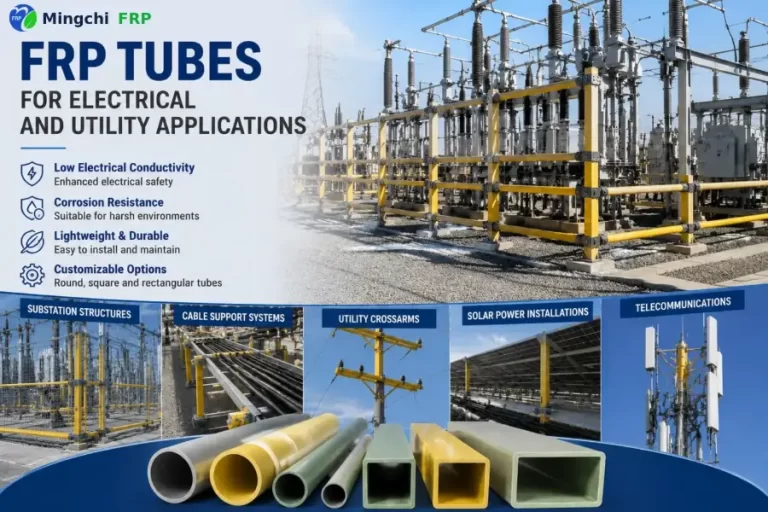
Pultruded fiberglass tubes are widely used across numerous industries, including:
- Chemical processing plants
- Marine and offshore structures
- Electrical insulation systems
- Cooling towers
- Wastewater treatment facilities
- Solar panel support structures
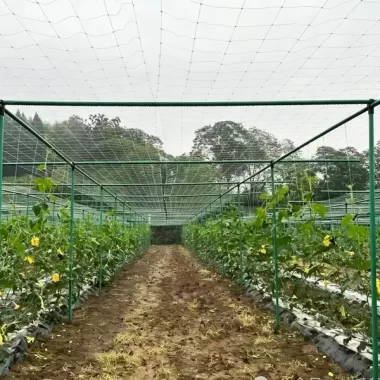
- Agriculture and greenhouse construction
- Industrial platforms and walkways
- Infrastructure projects
- Telecommunications support systems
Their combination of corrosion resistance, lightweight construction, and structural reliability makes them suitable for environments where traditional metals often struggle.
Choosing a Reliable Pultruded Fiberglass Tube Manufacturer
Not all fiberglass tubes are manufactured to the same standard.
When evaluating a supplier, buyers should consider:
- Manufacturing experience
- Resin system options
- Quality control procedures
- Custom profile capabilities
- Compliance with international standards
- Engineering support
- Production capacity
A manufacturer with advanced pultrusion technology and rigorous quality management is more likely to deliver products that perform reliably over the long term.
結論
The performance of a pultruded fiberglass tube begins long before it reaches the job site. Every stage—from fiber selection and resin impregnation to curing, pulling, and quality inspection—plays a critical role in determining its strength, durability, and service life.
Understanding the pultrusion process helps engineers, contractors, and procurement professionals make more informed material decisions while ensuring long-term value for industrial projects.
At ミンチ FRP, we manufacture high-quality pultruded fiberglass tubes using advanced pultrusion technology, premium resin systems, and strict quality control procedures. Whether you require standard round and square tubes or fully customized pultruded profiles, our engineering team can provide reliable composite solutions tailored to your project’s requirements.