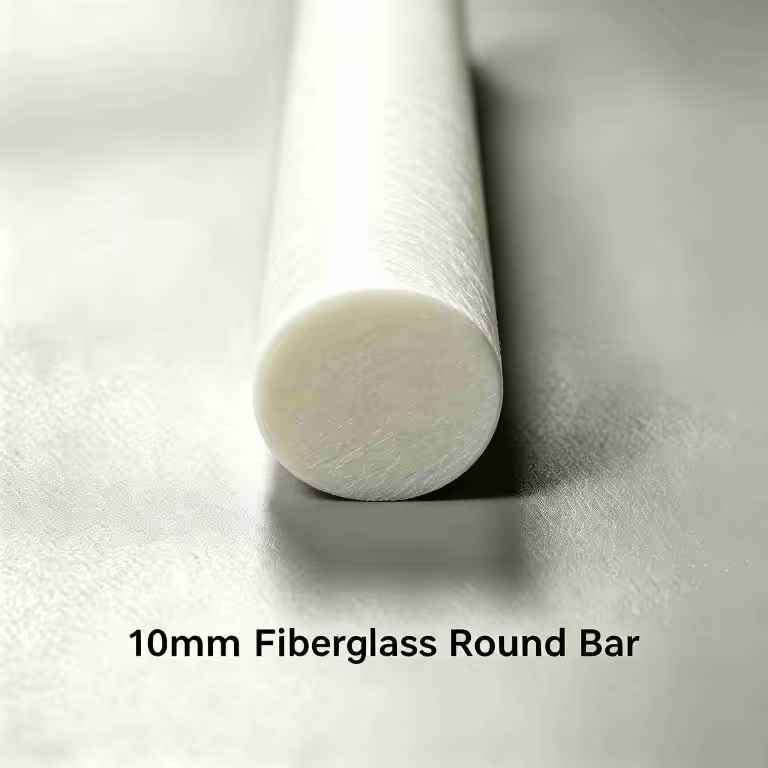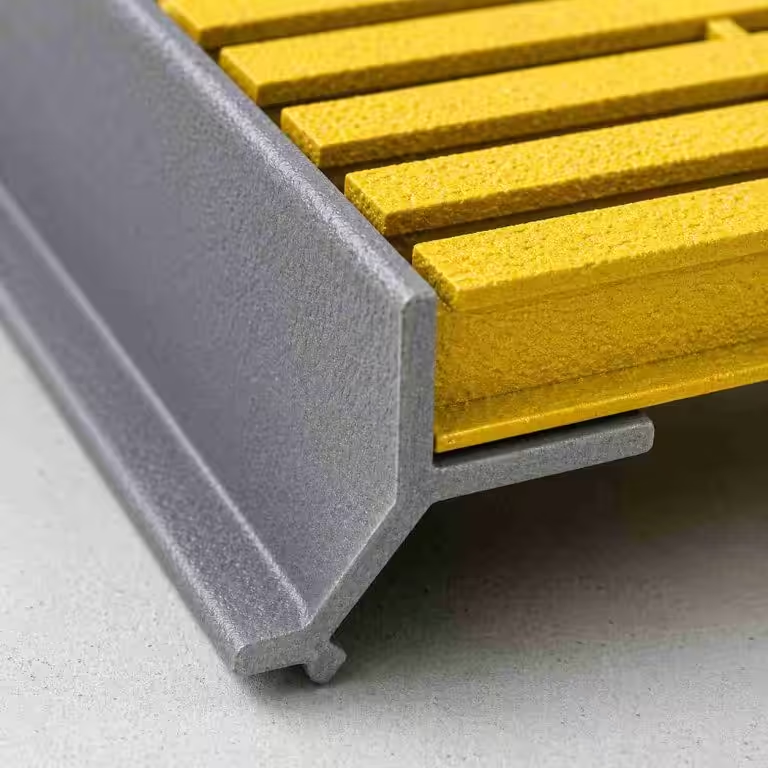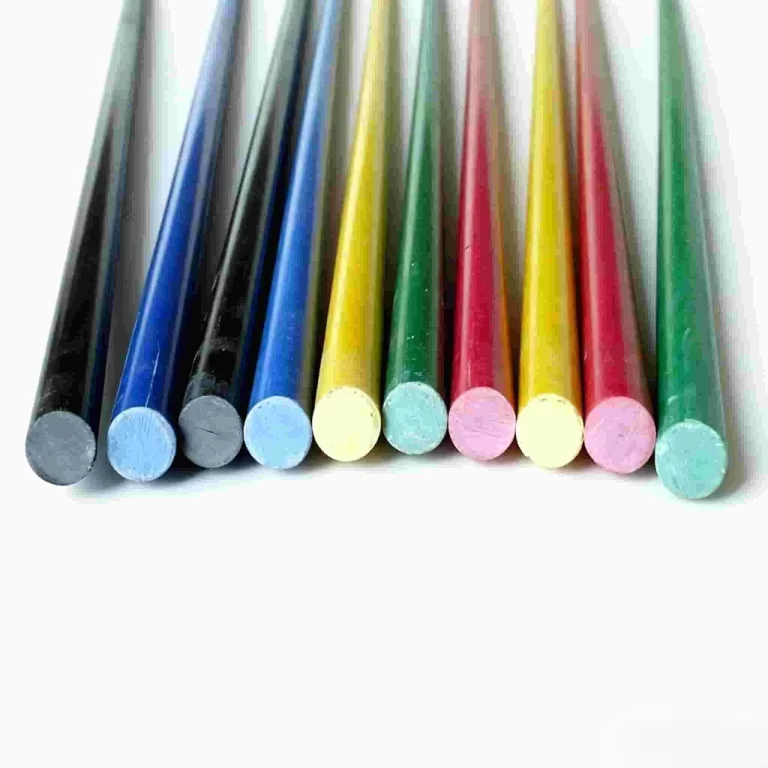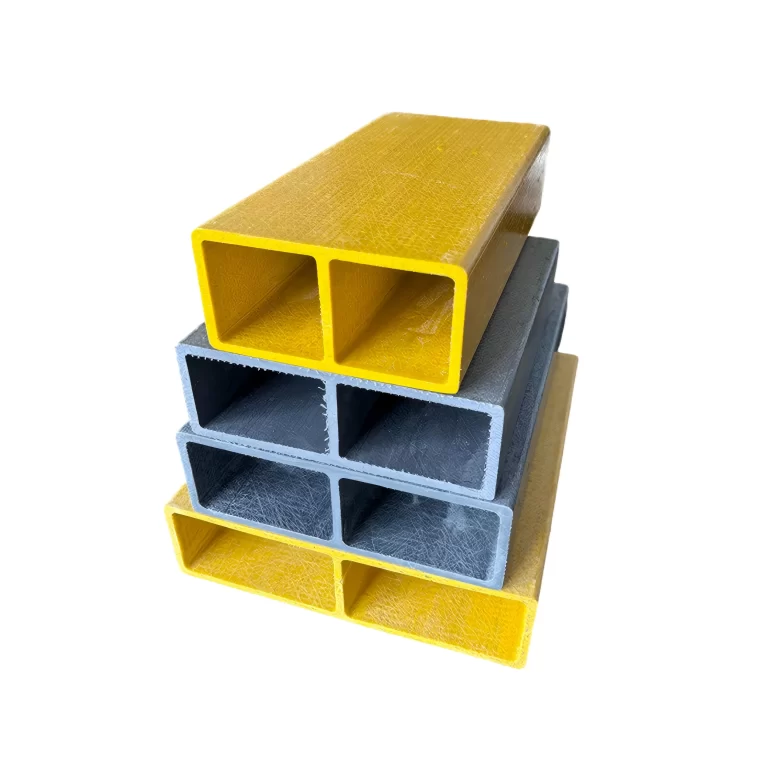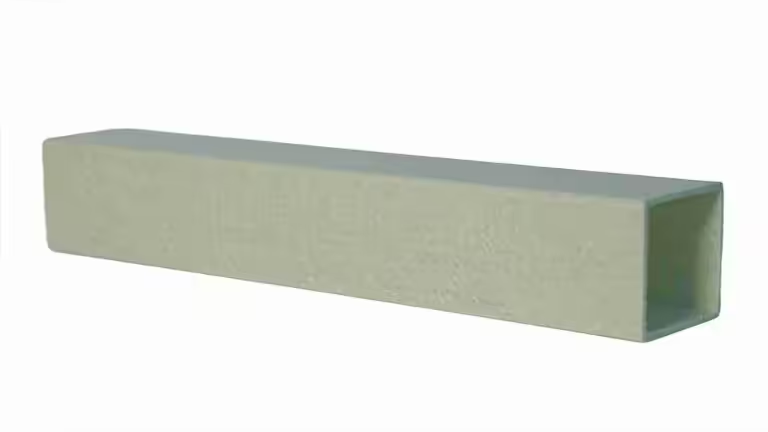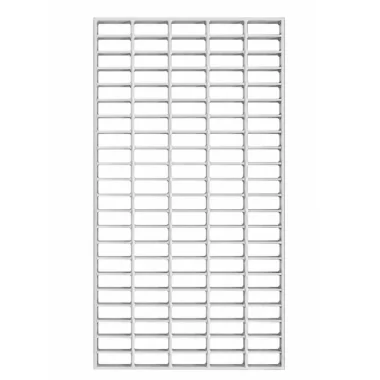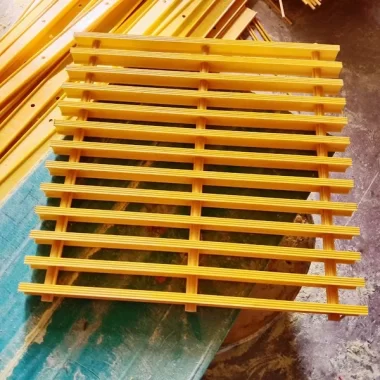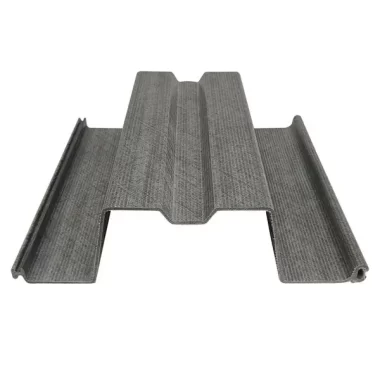

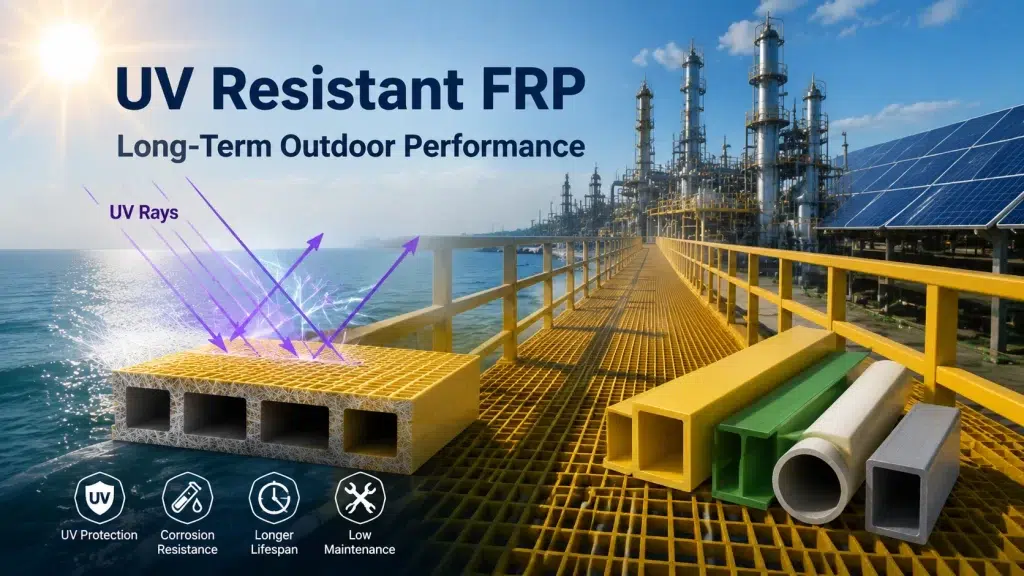
Outdoor FRP products are built to handle tough environments, but long-term sun exposure can slowly break them down. UV radiation causes color fading, surface chalking, exposed fibers, and eventually reduces the strength and service life of FRP structures. Whether it’s FRP grating, profiles, handrails, or panels, proper UV protection is essential for keeping outdoor fiberglass products durable, safe, and visually clean for years. In this guide, we’ll cover the most common UV damage problems and the most effective ways to protect outdoor FRP materials.
Outdoor FRP UV Damage
Outdoor FRP products are widely used in industrial applications, but UV radiation damage to fiberglass materials is a common issue in long-term exposure environments.
Typical problems include:
- FRP surface fading under sunlight (fiberglass color fading)
- UV-induced chalking on FRP surface
- Outdoor fiberglass resin cracking
- Loss of gloss in UV exposed FRP structures
- Reduced durability of outdoor FRP profiles
These issues are especially obvious in long-term outdoor fiberglass applications.
Why UV Radiation Damages FRP Materials
The main cause of degradation is UV radiation effect on fiberglass resin systems.
1. UV degradation of polyester resin FRP
Polyester resin is most sensitive to:
- Sunlight exposure
- Heat aging
- Surface oxidation
2. Vinyl ester resin UV resistance performance
Vinyl ester resin offers:
- Better UV resistance than polyester FRP
- Slower surface aging in outdoor environments
3. Fiberglass vs resin UV resistance difference
Important technical point:
- Glass fiber: UV resistant
- Resin matrix: UV sensitive
Therefore, FRP UV degradation starts from resin surface breakdown.
How to Protect Outdoor FRP from UV Exposure
To improve UV resistant FRP performance in outdoor environments, several methods are used:
1. UV resistant resin systems for fiberglass products
Choosing the right resin improves durability:
- UV resistant vinyl ester FRP
- UV stabilized polyester resin FRP
- Epoxy FRP with protective coating
2. UV protective coating for FRP surfaces
Common industrial coatings include:
- Aliphatic polyurethane UV coating for FRP
- Acrylic UV protective coating
- Gel coat surface protection for fiberglass products
3. UV stabilizers in FRP manufacturing process
Manufacturers improve performance using:
- UV absorbers for fiberglass resin
- HALS stabilizers in FRP production
- Anti-aging additives for outdoor FRP profiles
4. Maintenance of outdoor UV exposed FRP structures
- Regular cleaning of fiberglass surfaces
- UV coating reapplication every 5–10 years
- Inspection of FRP grating and profiles
Outdoor UV Resistant FRP Applications
UV protection is critical in many industries:
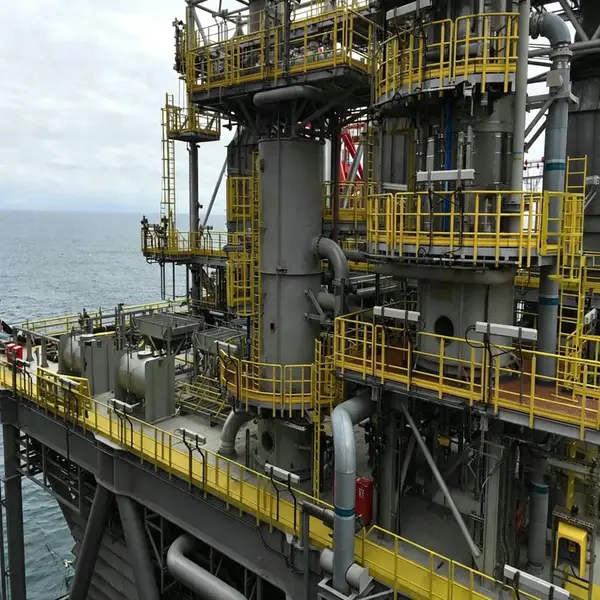
Marine grade FRP UV resistance applications
- Coastal fiberglass walkways
- Offshore platform FRP grating
- Dock and pier structures
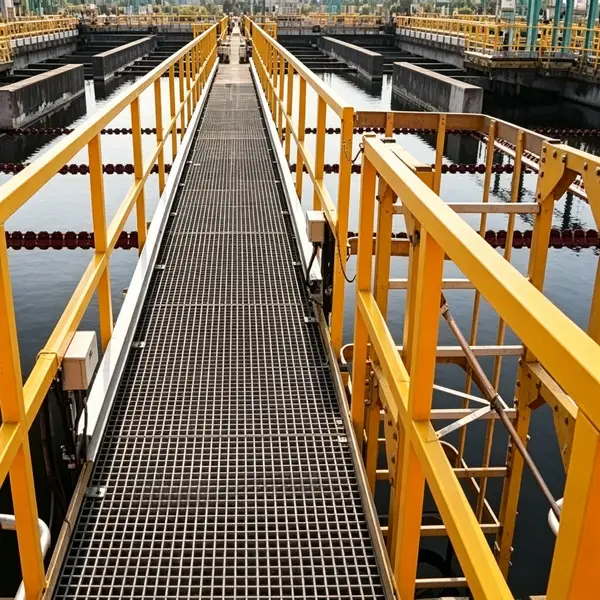
Industrial chemical plant FRP structures
- Corrosion resistant FRP pipe racks
- Chemical resistant fiberglass platforms
- UV exposed FRP maintenance platforms
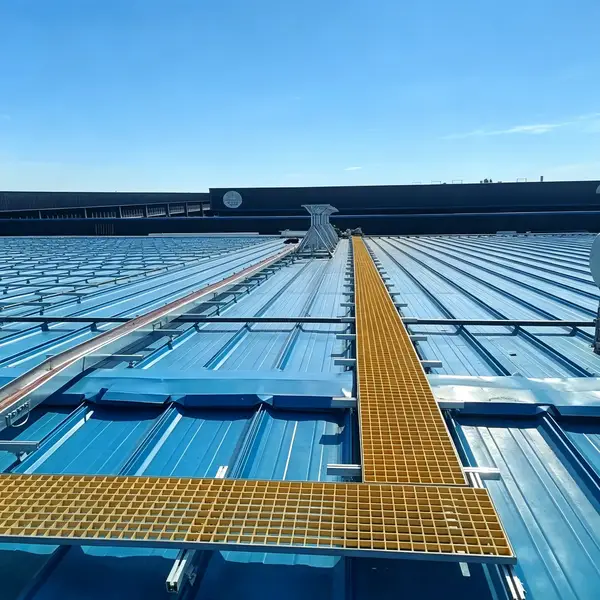
Outdoor infrastructure fiberglass applications
- FRP bridge decking systems
- Rooftop FRP walkways
- Public pedestrian fiberglass structures
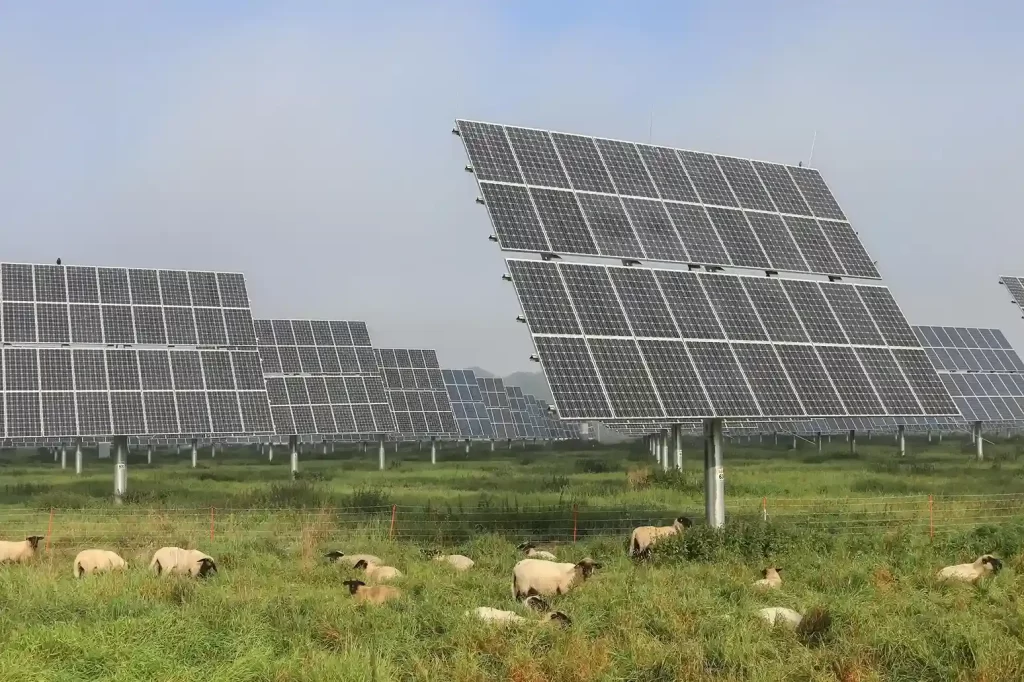
Renewable energy FRP systems
- Solar panel FRP support structures
- Wind turbine maintenance fiberglass platforms
Benefits of UV Protection for FRP
- Preserve Structural Integrity: Prevent brittleness and strength loss from UV degradation.
- Maintain Color Stability: Reduce yellowing, fading, and oxidation for consistent appearance.
- Extend Lifespan: Cut repair and replacement costs, especially for outdoor infrastructure.
FRP vs Steel vs Aluminum UV Resistance Comparison
| Material | UV Resistance Performance | Corrosion Resistance | Maintenance Cost | Outdoor Lifespan |
|---|---|---|---|---|
| UV resistant FRP | High (with coating) | Excellent | Low | 15–25 years |
| Steel (outdoor exposed) | Poor (rust + UV aging) | Low | High | 5–10 years |
| Aluminum structures | Medium UV stability | Medium | Medium | 10–15 years |
Conclusion: UV Resistant FRP for Outdoor Applications
UV exposure can gradually cause fading, chalking, and surface degradation in outdoor FRP products. Choosing UV resistant resin systems, protective coatings, and proper manufacturing methods is essential for extending the lifespan of fiberglass structures in harsh environments.
Mingchi FRP specializes in UV resistant FRP profiles, grating, and structural solutions for industrial, marine, and outdoor applications. With customized resin systems and reliable manufacturing experience, Mingchi FRP helps customers achieve long-term durability with lower maintenance costs.