FRP Wall Panels: Material Properties & Industrial Uses | FRP wall panels properties
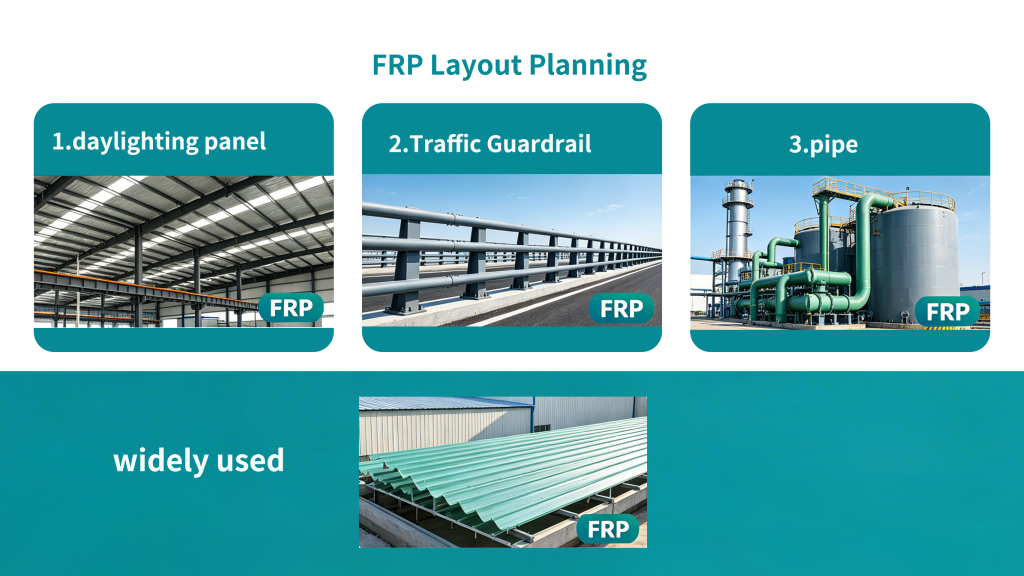
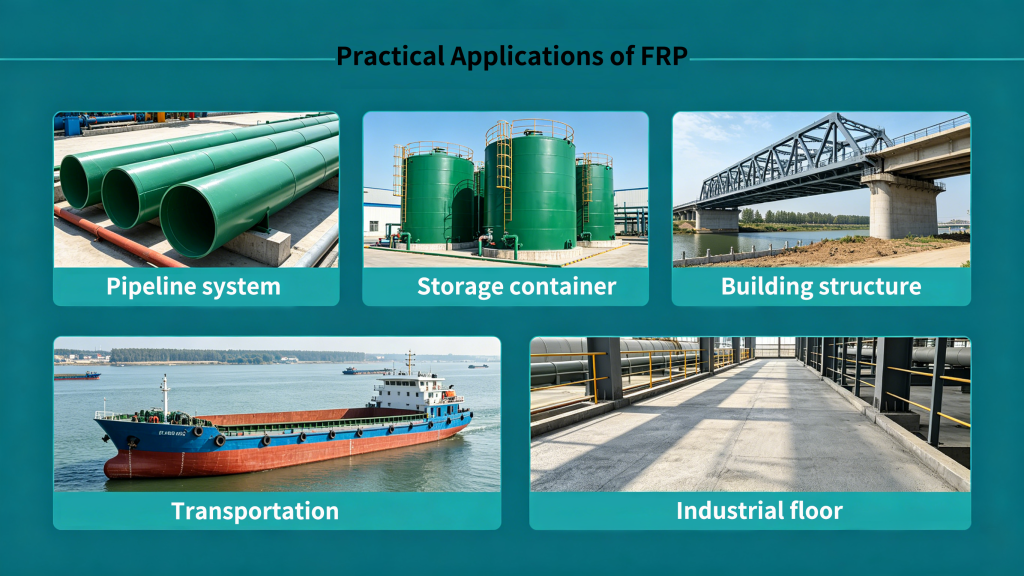
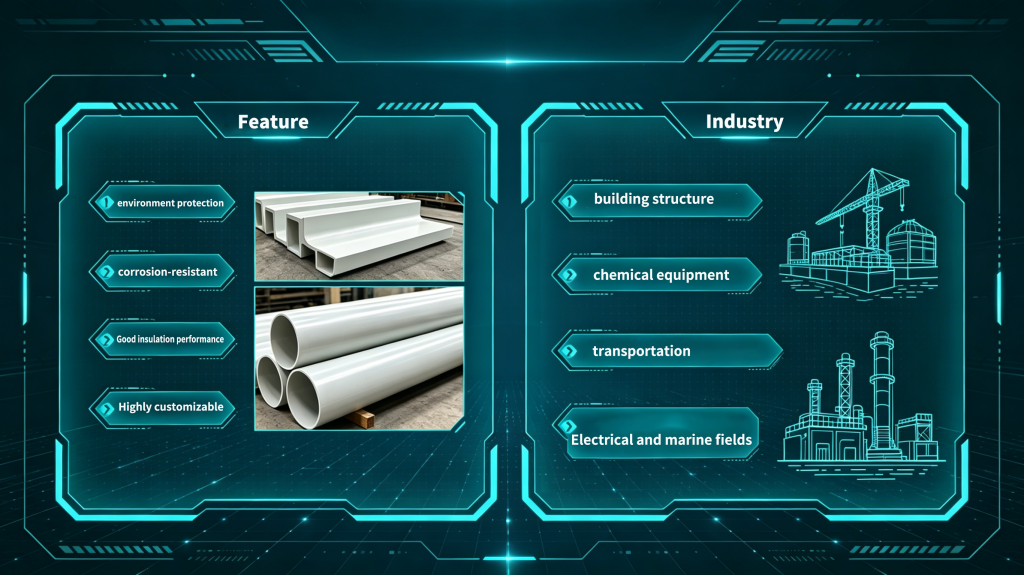
When it comes to industrial and commercial construction, choosing the right wall material is critical to ensuring durability, safety, and long-term cost-effectiveness. Fiberglass Reinforced Plastic (FRP) wall panels have emerged as a game-changer in this space, thanks to their exceptional material properties that outperform traditional materials like drywall, ceramic tile, and painted concrete. At mingchi, we specialize in providing high-quality FRP solutions, including FRP wall panels, frp profiles, and frp grating, designed to meet the rigorous demands of diverse industrial environments. In this blog, we’ll dive deep into the material properties of FRP wall panels, their wide-ranging industrial uses, and why they are the preferred choice for modern facilities—along with insights into how they complement other FRP products like frp profiles and frp grating. What Are FRP Wall Panels? An Overview FRP wall panels are composite materials made by reinforcing a plastic resin matrix with glass fibers, creating a strong, lightweight, and versatile product that excels in harsh conditions. Unlike traditional wall materials that often require frequent maintenance or replacement, FRP wall panels are engineered for longevity, making them a cost-effective solution for industrial, commercial, and even some residential applications. At mingchi, our FRP wall panels are available in various thicknesses, colors, and finishes—from glossy to matte and embossed—to suit different aesthetic and functional needs, while seamlessly integrating with our frp profiles and frp grating for comprehensive facility solutions. One of the key advantages of FRP wall panels is their adaptability. They can be installed directly over existing surfaces like drywall, foam, wood, or concrete blocks, reducing installation time and labor costs significantly. Whether you’re renovating an old facility or building a new one, FRP wall panels offer a hassle-free installation process that minimizes downtime—a critical factor for industrial operations. Key Material Properties of FRP Wall Panels The popularity of FRP wall panels stems from their unique combination of material properties, which make them ideal for challenging environments. Below are the most notable properties that set FRP wall panels apart from traditional materials: 1. Exceptional Corrosion and Chemical Resistance FRP wall panels are highly resistant to a wide range of chemicals, including acids, alkalis, solvents, and saltwater—making them perfect for industries where exposure to corrosive substances is common, such as chemical plants, wastewater treatment facilities, and food processing plants. Unlike metal or concrete, which can rust, corrode, or degrade over time when exposed to harsh chemicals, FRP wall panels maintain their structural integrity for decades. This property also makes them compatible with frp grating, which is often used in the same corrosive environments for flooring and walkways, creating a cohesive, low-maintenance system. 2. Lightweight Yet High Strength FRP wall panels have an impressive strength-to-weight ratio—they are lightweight (density of less than 2 kg/dm³, only 1/4 of steel and 2/3 of aluminum) but stronger than many traditional materials, including wood and drywall. This lightweight nature simplifies transportation and installation, as no heavy lifting equipment is required, while their high tensile and flexural strength ensures they can withstand impact, pressure, and structural stress. For example, our frp profiles, when paired with FRP wall panels, create a lightweight yet robust framework that reduces overall building weight without compromising durability. 3. Moisture and Mold Resistance FRP wall panels are non-porous, meaning they do not absorb moisture—a critical feature for environments with high humidity, such as commercial kitchens, bathrooms, locker rooms, and marine facilities. This non-porous surface prevents mold, mildew, and bacteria growth, making FRP wall panels a hygienic choice for food processing plants, hospitals, and clean rooms. Unlike drywall, which can warp, rot, or develop mold when exposed to moisture, FRP wall panels remain intact and easy to clean, even in the wettest conditions. This property is especially valuable when combined with frp grating in wet areas, as both products work together to create a moisture-resistant, easy-to-maintain space. 4. Easy Maintenance and Cleanability Industrial facilities require materials that are easy to clean and maintain to minimize downtime and operational costs. FRP wall panels can be cleaned with simple detergents, pressure washers, or even steam—no special chemicals or tools are needed. Their smooth, non-porous surface prevents dirt, grime, and stains from adhering, ensuring a clean and hygienic environment with minimal effort. This low-maintenance feature, combined with the durability of frp profiles and frp grating, makes FRP solutions a cost-effective choice for busy industrial operations, as they reduce the need for frequent repairs and replacements. 5. Weather and UV Resistance For outdoor or exposed applications, FRP wall panels are treated with weather-resistant gelcoat, which prevents fading, discoloration, and brittleness even in long-term outdoor or strong light environments. They can withstand extreme temperatures, from -20°C to 80°C, making them suitable for both interior and exterior use. This weather resistance makes FRP wall panels ideal for outdoor facilities, such as oil and gas platforms, marine docks, and industrial warehouses, where they can endure harsh weather conditions without degradation. 6. Customizability At mingchi, we understand that every industrial facility has unique needs. Our FRP wall panels are fully customizable, allowing you to choose from a range of thicknesses (0.7-5.0 mm), colors , and finishes to match your facility’s aesthetic and functional requirements. We also offer customizations for flame retardancy, thermal insulation, and chemical resistance, ensuring our FRP wall panels meet the specific standards of your industry. Additionally, our frp profiles can be customized to complement the wall panels, creating a cohesive and tailored solution for your project. Industrial Uses of FRP Wall Panels Thanks to their versatile material properties, FRP wall panels are used across a wide range of industries. Below are the most common industrial applications, along with how they integrate with frp profiles and frp grating to create comprehensive solutions: […]