
FRP in Solar & New Energy and FRP in Construction & Municipal Engineering: Applications, Advantages & Cases are vital as the world shifts fast to clean energy, with solar power playing a key role in this transition. But solar projects face many tough challenges in real use. They must resist salt spray, UV rays and high humidity. They also need to meet strict safety and electrical rules. Structures must stay lightweight and reliable for decades.
Steel, aluminum and concrete support solar infrastructure for a long time, but they all have obvious limitations. Steel and aluminum corrode fast in coastal and humid areas, and concrete is heavy and hard to adjust. Besides, metal materials bring electrical risks to PV systems, so high-performance FRP has become a transformative solution.
This blog comprehensively explores the application of FRP in the solar and new energy sector, focusing on four high-frequency core scenarios: Solar Racking and Mounting Systems, FRP Walkways and Gratings, Floating Solar Structures, and Electrical Safety.
1. Key Advantages of FRP for Solar & New Energy Applications
Solar and new energy projects need materials that resist extreme conditions and ensure electrical safety, and they also require efficient installation and maintenance. FRP consists of high-strength glass fiber and quality polymer resin, and it is designed for the solar industry’s special needs with three core advantages. These benefits are verified in thousands of real projects, so they bring tangible value and long-term cost savings to solar owners and operators.
Corrosion Resistance: Solar installations in coastal, desert or humid areas often face salt spray, acid rain and moisture, so they require highly corrosion-resistant materials. FRP performs exceptionally well in such harsh environments, and it stays stable under UV and extreme temperatures without damage. Moreover, it needs no regular anti-corrosion treatment, so it greatly reduces lifecycle costs and ensures long-term stability for solar systems.
Durability & Lightweight: Solar projects need light but strong materials, especially for floating and rooftop setups. FRP is much lighter than steel and aluminum, so it lowers transport and installation costs greatly. This is vital for rooftops with strict load limits. And Mingchi FRP has high tensile strength similar to steel, so it supports panels, resists wind and environmental stress well.
2. Four Core Application Scenarios of FRP in Solar & New Energy
FRP has excellent corrosion resistance, durability and versatility, so it fits four key scenarios in solar and new energy sector perfectly. Each use solves real industry pain points well, and actual projects show clear and tangible value. All these cases apply FRP products and achieve great effects, and they fully prove FRP’s practical value in new energy applications.
(1)Solar Racking and Mounting Systems
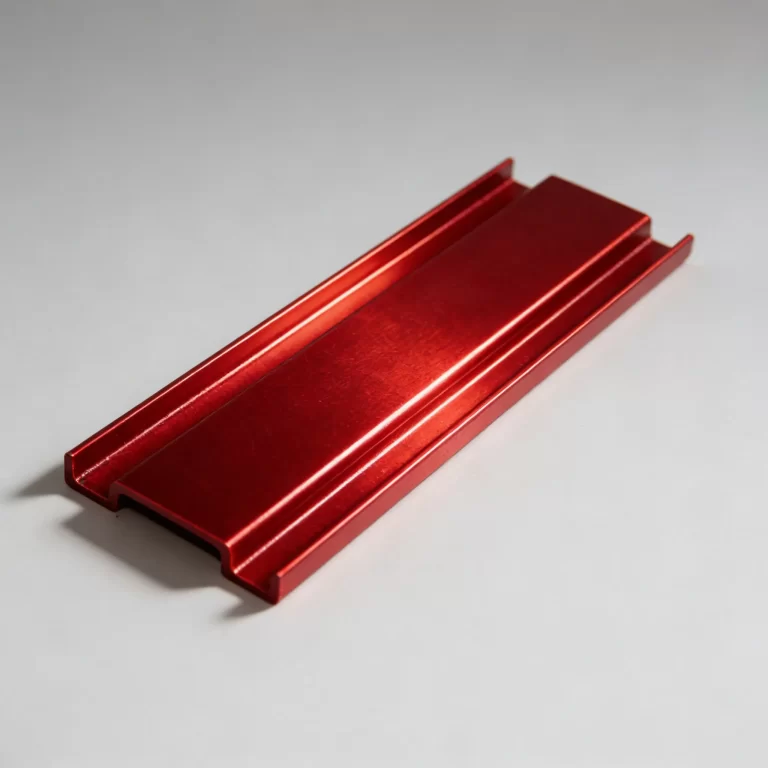
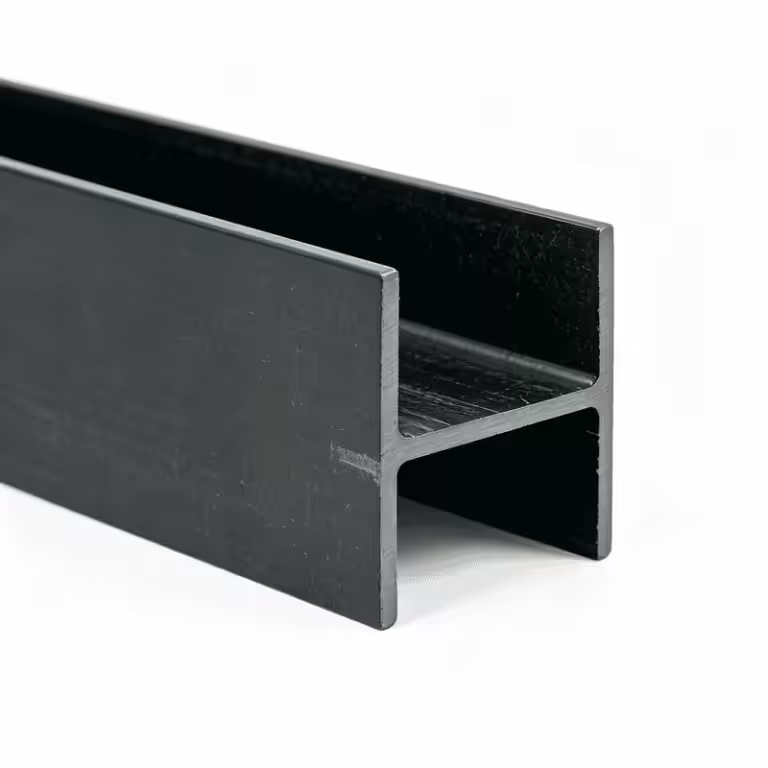
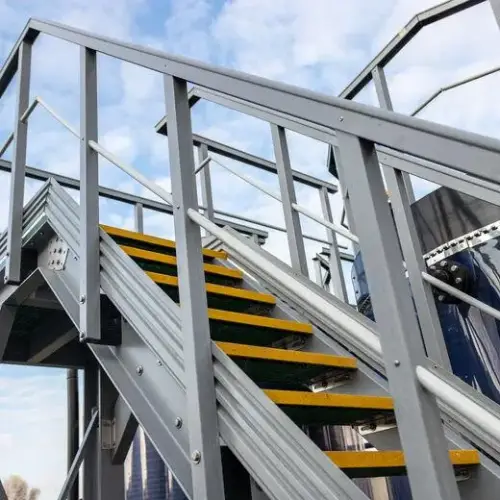
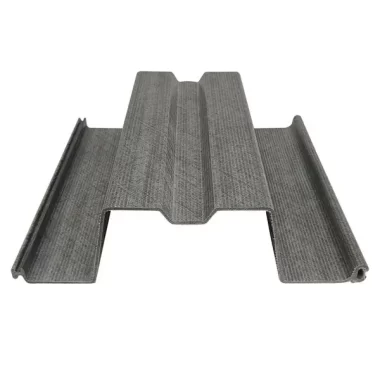
Solar racking supports solar panels and sets ideal angles for power generation, so it acts as the backbone of whole solar systems. Traditional steel and aluminum racking corrode easily in harsh environments, and their heavy weight raises both installation cost and structural load. But Mingchi FRP solar racking solves both problems well, so it becomes the top choice for coastal, desert and rooftop projects.
(2)FRP Walkways and Gratings
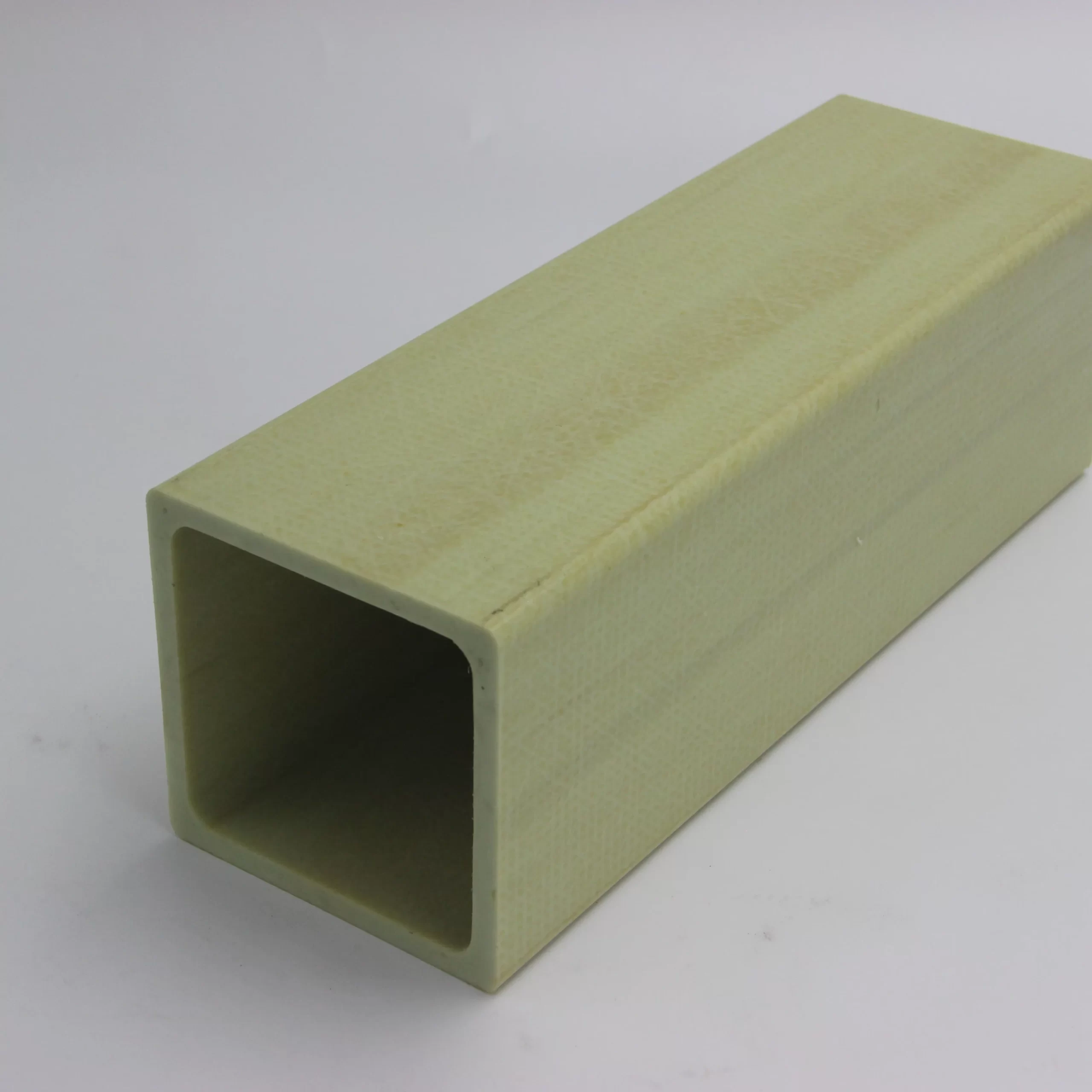
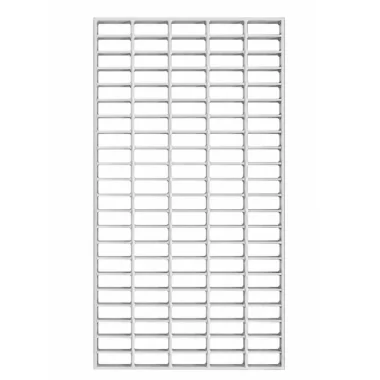
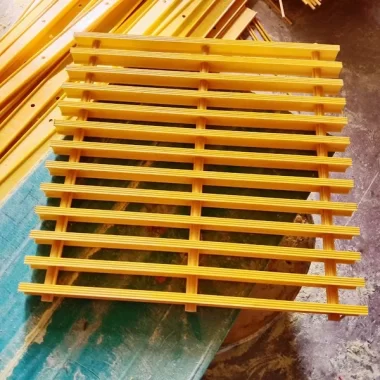
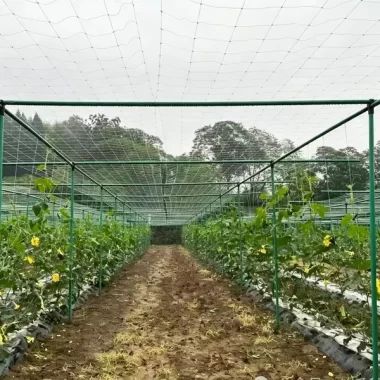
Solar farms need safe and durable walkways and gratings for equipment maintenance, but traditional metal gratings are heavy, corrosive and conductive, and wood ones easily rot and warp, so FRP walkways and gratings become a better alternative with excellent safety, long durability and low maintenance costs.
(3)Floating Solar Structures
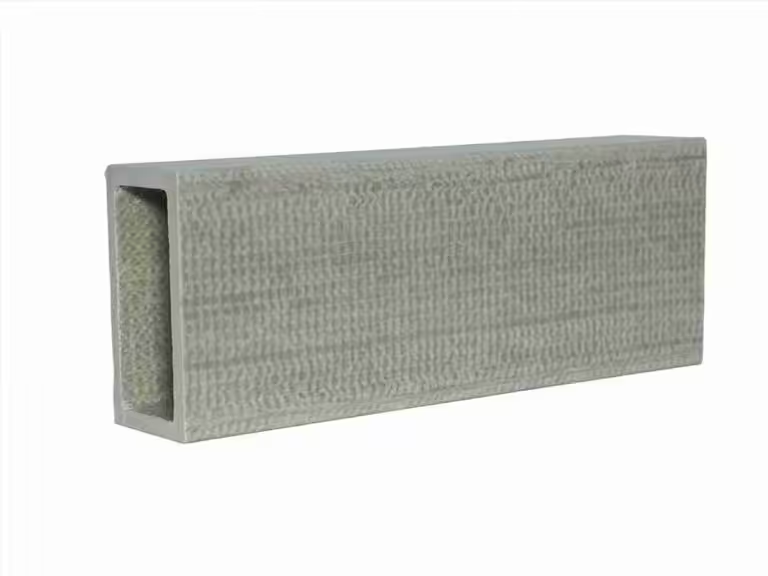
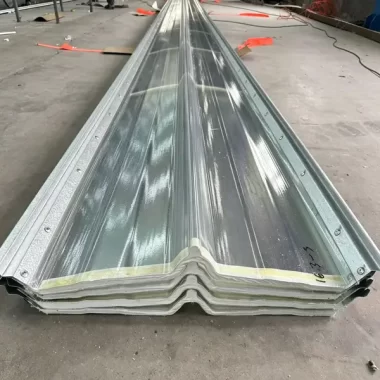
Floating solar is a rapidly growing sector that installs panels on water surfaces such as lakes and oceans, and floating structures demand lightweight, buoyant and corrosion-resistant materials which FRP excels at, while traditional steel or concrete structures are heavy, need extra flotation devices and corrode easily in water, so FRP floating solar systems effectively solve these problems and provide a cost-effective and long-lasting solution.
(4)Electrical Safety Components
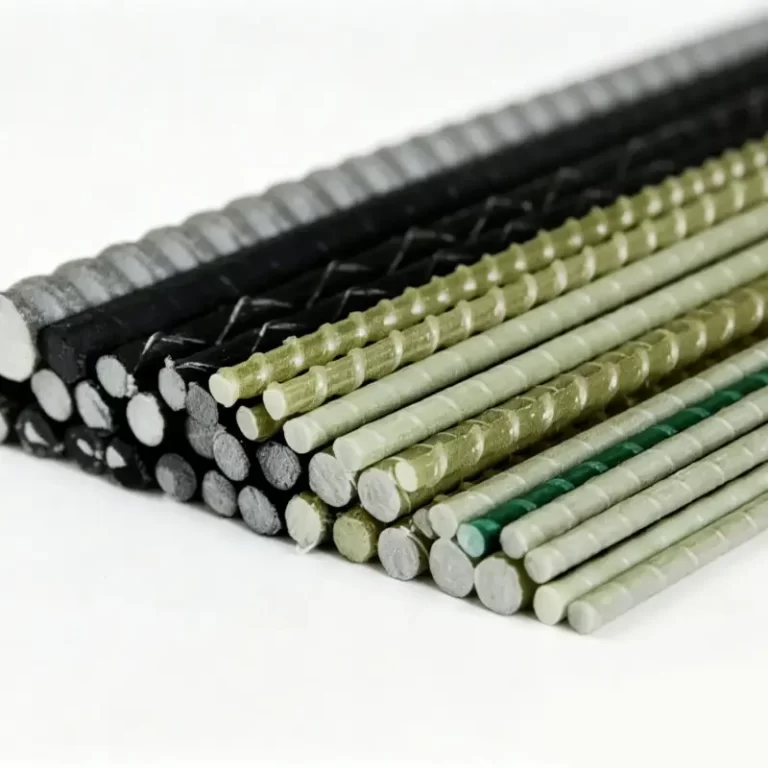
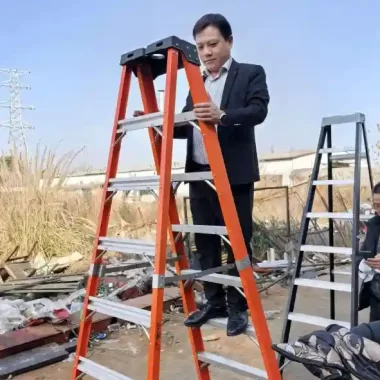
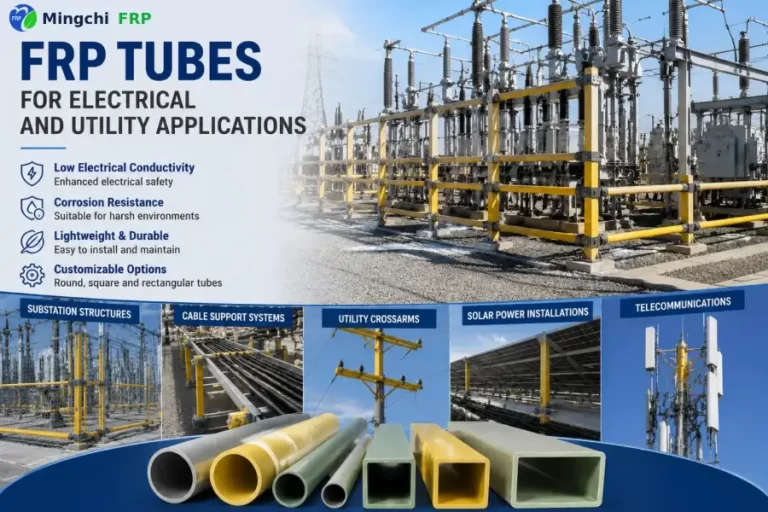
Solar and new energy systems need strict electrical safety to prevent short circuits, electric shock and equipment damage, but traditional metal components are conductive and risky, while ordinary plastic parts lack durability, so FRP has become an ideal material with excellent insulation, non-conductivity and flame-retardant features, and it is widely used for cable trays, junction boxes, insulating covers and inverter housings in photovoltaic systems.
3. Comprehensive Practical Case: Full FRP Transformation of a Solar Farm
To demonstrate the comprehensive value of FRP in solar projects, this case focuses on a ground-mounted solar farm in Southeast Asia that underwent a full FRP transformation, replacing traditional materials with frp in all four core scenarios.
The solar farm, located in a coastal region, faced significant challenges with traditional materials: steel racking corroded rapidly, metal walkways required frequent maintenance, concrete floating structures (for a small reservoir section) were heavy and expensive to install, and metal electrical components posed safety risks.
The project team partnered with frp supplier to replace all traditional components with customized FRP solutions:
Solar Racking: Frp custom racking with anti-corrosion coating, optimized for coastal salt spray environments;
Walkways & Gratings: Frp anti-slip walkways and gratings, lightweight and easy to install;
Floating Solar Structures: Frp buoyant platforms for the reservoir section, eliminating the need for concrete flotation;
Electrical Components: Frp non-conductive cable trays, junction boxes, and inverter enclosures.
4. Conclusion: FRP Drives Innovation in Solar & New Energy
The solar and new energy industry is evolving quickly, and demand for more reliable, cost-effective and sustainable materials keeps increasing, but traditional materials like steel, aluminum and concrete can no longer meet the industry’s key challenges such as corrosion, weight, safety and customization.
FRP has wide and valuable uses across solar, from racking and floating structures to electrical safety parts. It effectively solves core problems of traditional materials, and also brings long-term cost savings, better safety and higher operating efficiency.
As the global clean energy transition accelerates, Mingchi frp will continue to innovate, developing new FRP solutions tailored to the evolving needs of the solar and new energy industry.