
Factories and manufacturing facilities operate in harsh and demanding environments, where equipment and components are constantly exposed to corrosive chemicals, high temperatures, heavy loads, and frequent wear. These conditions pose significant challenges to operational efficiency, safety, and long-term cost control—especially when relying on traditional materials like steel, iron, and conventional plastics. As a high-performance composite material, glass fiber reinforced plastic (FRP) has become a disruptive solution for factory applications.
This is thanks to its unparalleled combination of advantages: corrosion resistance, high specific strength, and low maintenance requirements—these three core advantages precisely address the most challenging problems faced by traditional materials in factory environments.
This blog comprehensively explores the application of mingchi frp in factory environments, focusing on five high-frequency core scenarios that are critical to daily factory operations: Corrosion-Resistant Piping, Structural Components, Storage Tanks & Vessels, Environmental Control, and Equipment Protection.
1. Key Advantages of FRP for Factory Applications
Factory environments demand materials that can withstand harsh conditions while supporting efficient, safe, and cost-effective operations. Unlike traditional materials that often struggle to balance performance and practicality, FRP (fiberglass reinforced plastic – a composite material made of glass fibers embedded in high-quality polymer resin) has three core advantages that perfectly meet the actual needs of factories.
● Corrosion Resistance
This is FRP’s critical factory advantage, as corrosion threatens factory equipment greatly; traditional materials like steel corrode fast when exposed to such substances, causing component failure, leaks and safety hazards, while FRP has exceptional corrosion resistance, not rusting or degrading even in aggressive chemicals and environments.
● High Strength-to-Weight Ratio
Factory operations need strong yet lightweight components for easy use; traditional steel is strong but heavy, raising installation and transport costs, while FRP has high specific strength—70% lighter than steel but equally strong—making it easy to transport and install, cutting costs and providing needed durability and load-bearing capacity.
● Low Maintenance
Maintenance is a big cost and time burden for factories; traditional materials need frequent inspections, repairs and replacements, steel components require regular anti-corrosion treatments to prevent rust, wooden components need sealing and replacement to avoid rot and insect damage, while FRP resists dirt, mold and chemical buildup, is easy to clean, cutting costs, minimizing downtime and freeing maintenance teams.
2. Five Core Application Scenarios of FRP in Factories & Industrial Settings
Fiberglass has great corrosion resistance, high strength and low maintenance costs, so it is ideal for five key industrial scenarios, and it solves industry pain points well while real cases show its clear practical value.
(1)Corrosion-Resistant Piping
Piping systems are the lifeline of factories for fluids and chemicals transport. Traditional steel or PVC pipes corrode and leak easily in corrosive environments. FRP corrosion-resistant piping has great resistance and high strength. It is a reliable, long-lasting solution to avoid downtime and safety risks.
(2)Structural Components
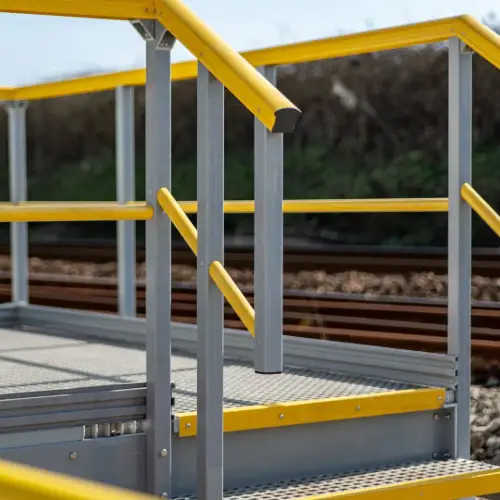
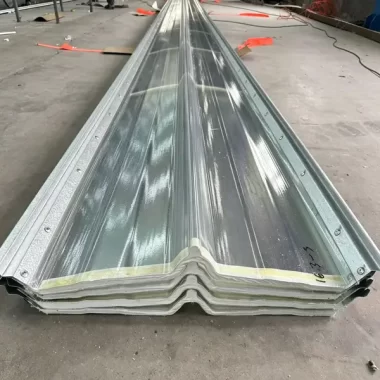
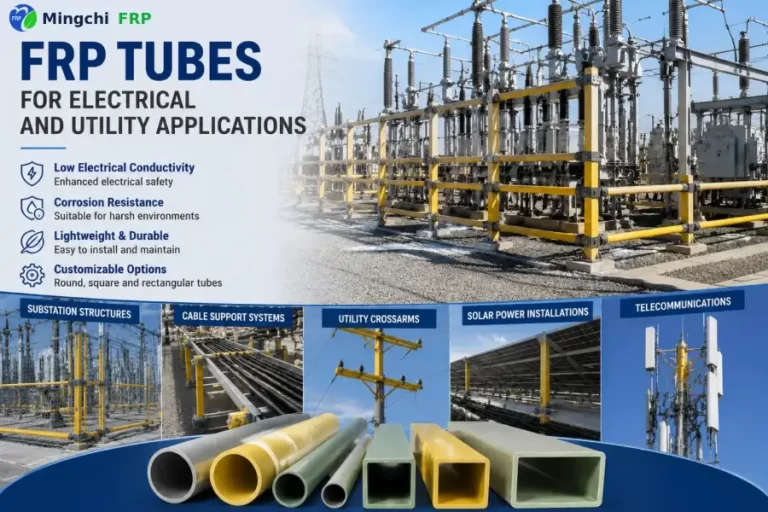
Factory structural parts are vital for safety and efficiency. They need strength, corrosion resistance and easy maintenance. FRP components are an ideal choice with high strength and great corrosion resistance. They offer safe, durable and cost-effective structural support with low maintenance.
(3)Storage Tanks & Vessels
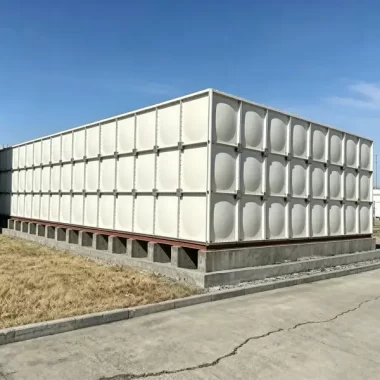
Factories need durable, corrosion-resistant and leak-proof tanks to store chemicals, wastewater and materials, but steel, concrete and plastic all have obvious defects, so FRP storage tanks with excellent corrosion resistance, high strength and low maintenance become reliable and long-lasting solutions.
(4)Environmental Control
Environmental control is critical for modern factories to follow regulations and ensure a safe workplace. Systems such as exhaust ducts and scrubbers work under harsh conditions with corrosive fumes, high heat and moisture. Steel and plastic parts corrode and clog easily, which reduces efficiency and causes non-compliance. FRP environmental components provide stable and reliable protection with strong corrosion resistance, high strength and low maintenance.
(5)Equipment Protection
Factory equipment like pumps and motors is a major investment, so protecting it from corrosion and damage is vital. Traditional steel or plastic guards corrode and wear easily and cannot offer long-term protection. FRP protection parts use excellent corrosion resistance and high strength to guard equipment effectively in harsh conditions.
3. Comprehensive Practical Case: Full FRP Transformation of a Chemical Factory’s Core Systems
To demonstrate the comprehensive value of frp in factory projects, this case focuses on a large chemical factory in Europe that underwent a full FRP transformation.
This chemical factory producing industrial chemicals and solvents struggled with traditional materials. Steel pipes, tanks and structures corrode rapidly under chemical exposure. Environmental systems and protective covers made of steel work poorly and fail often, bringing huge troubles to daily production.
The project team partnered with frp supplier to replace all traditional components with customized FRP solutions:
- Corrosion-Resistant Piping: FRP custom piping with anti-corrosion coating, optimized for transporting various corrosive industrial chemicals;
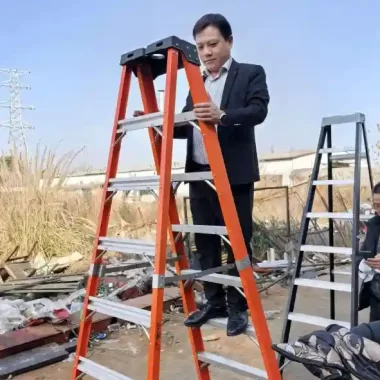
- Structural Components: FRP anti-corrosion platforms, walkways and handrails, lightweight and easy to install and modify;
- Storage Tanks & Vessels: FRP leak-proof storage tanks of various specifications, eliminating the risk of chemical leakage and corrosion;
- Environmental Control: FRP corrosion-resistant exhaust ducts and scrubbers, optimized for airflow efficiency and environmental compliance;
- Equipment Protection: FRP impact-resistant and corrosion-resistant enclosures, fully protecting pumps, motors and other key equipment.
4. Conclusion: FRP Drives Innovation in Factory & Industrial Operations
The industrial sector is developing fast, and demand for reliable, low-cost green materials keeps rising. Traditional steel and common plastics fail to solve corrosion, high maintenance and weak strength issues. FRP has outstanding corrosion resistance and high strength with light weight, so it drives industrial innovation and reshapes factory design, construction and daily operation.
Mingchi FRP serves factories across many key areas, from corrosion-resistant pipes and structures to storage tanks, environmental systems and equipment guards. It effectively fixes the flaws of traditional materials, and also brings long-term cost savings, higher safety, better efficiency and full environmental compliance.
Global industrial standards keep rising, and green production demand grows stronger every day. Mingchi FRP keeps innovating to make custom solutions for modern factories. Its special strengths make it the top material for future industrial use. It supports efficient, durable and low-cost production, and helps build a more sustainable advanced industry worldwide.