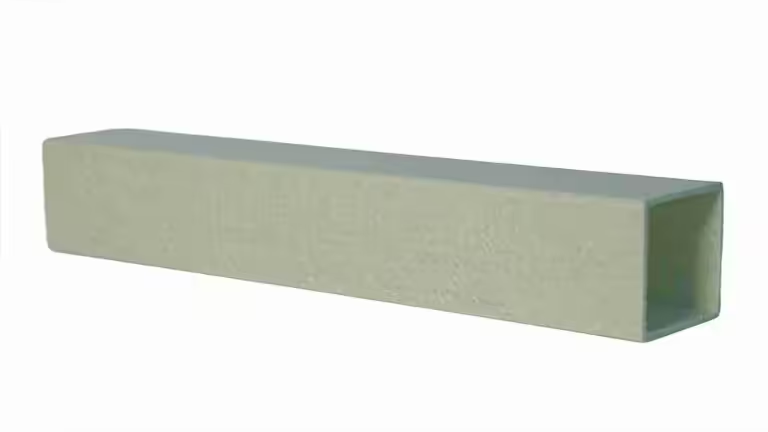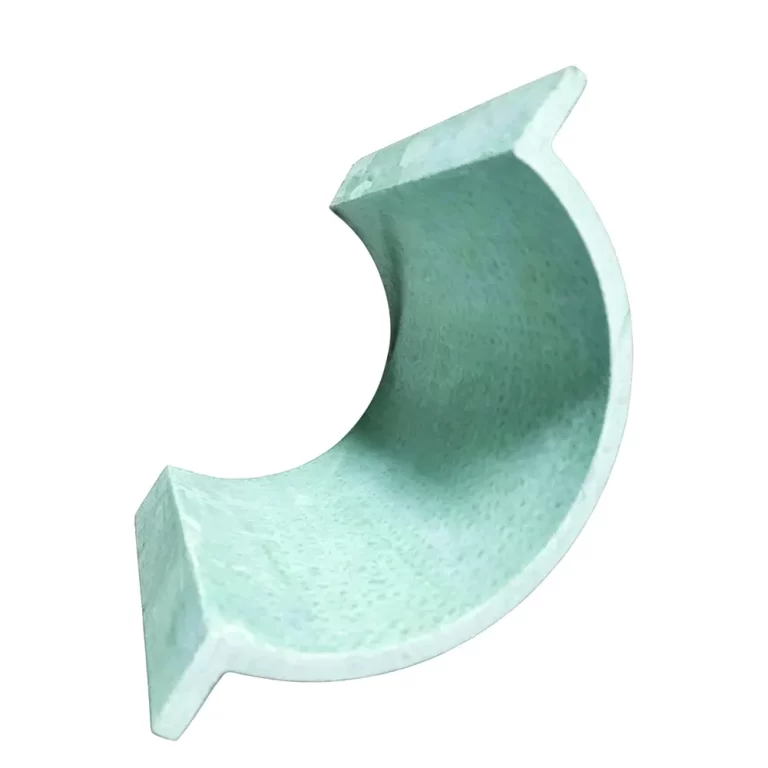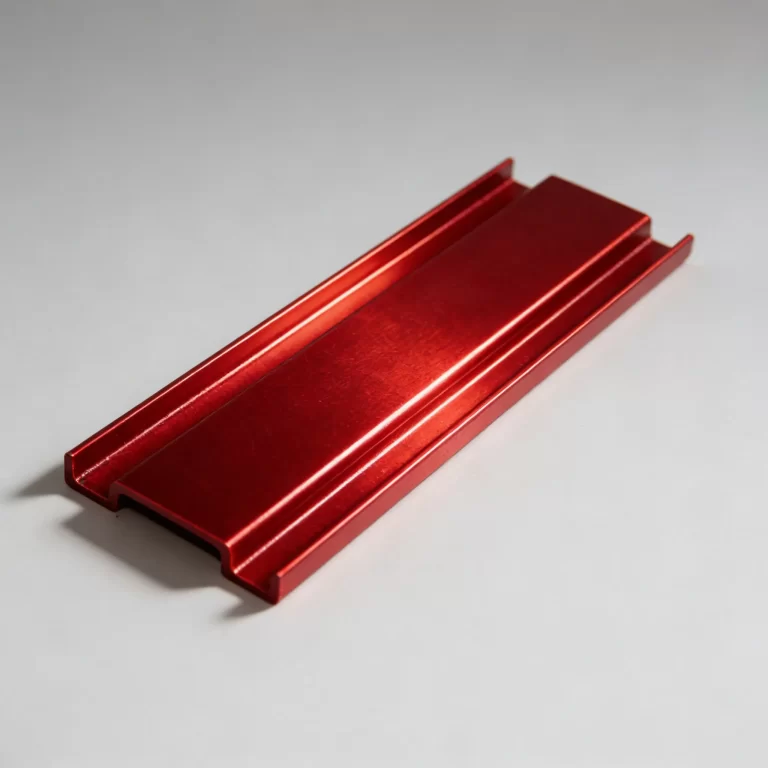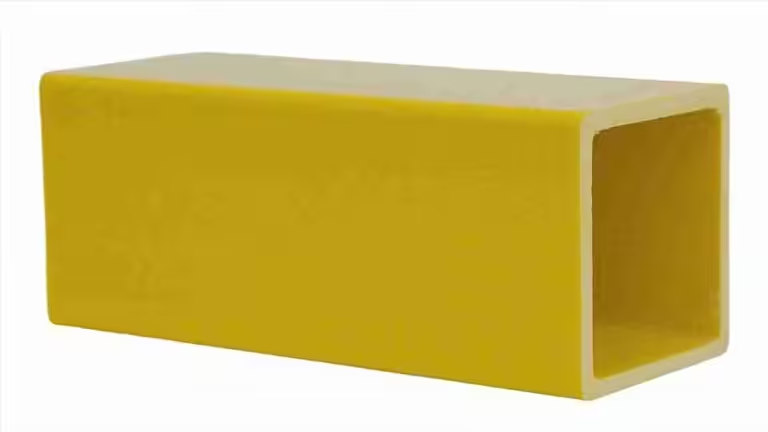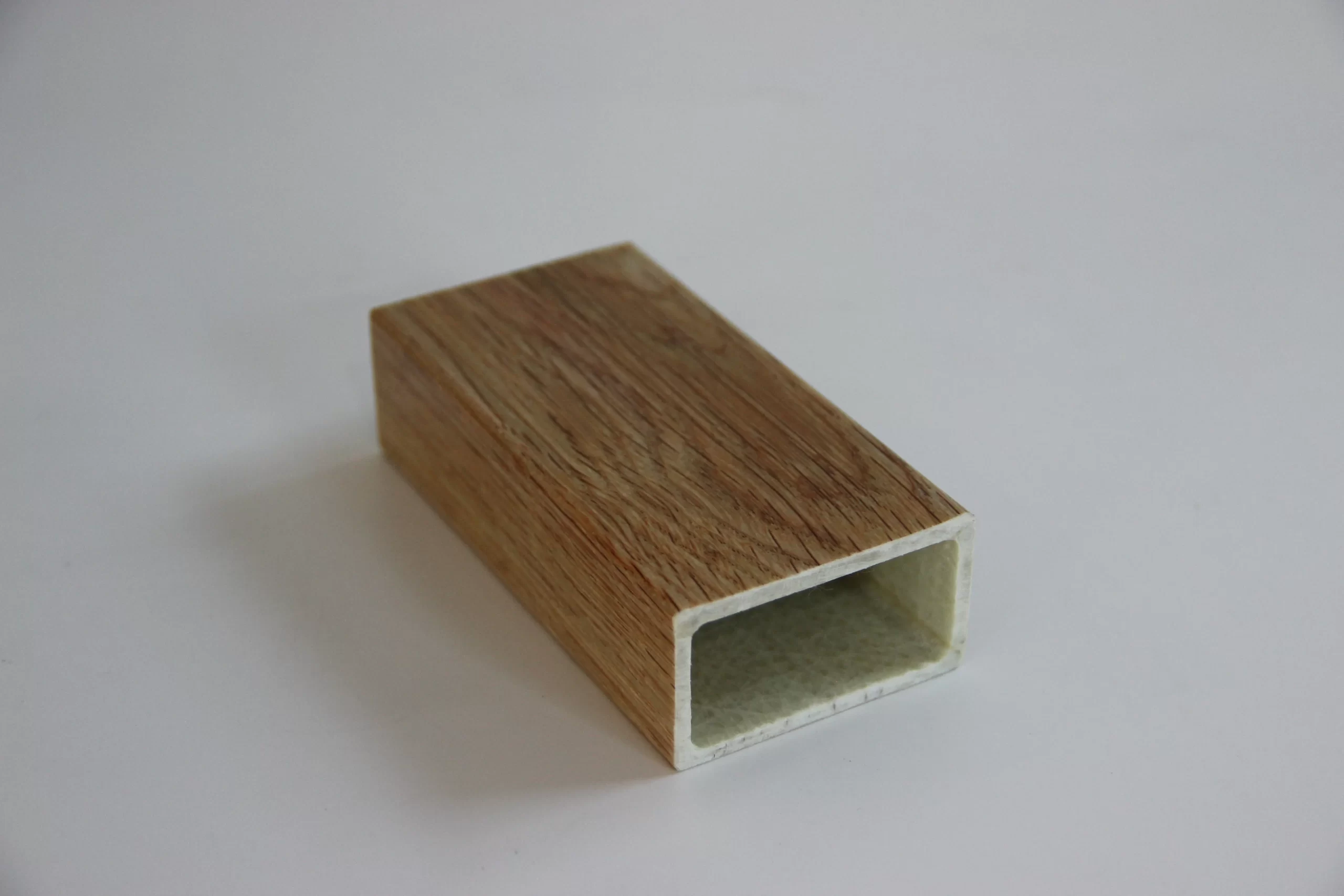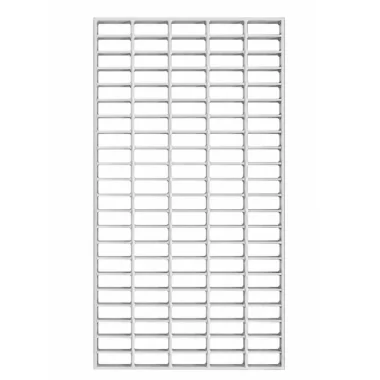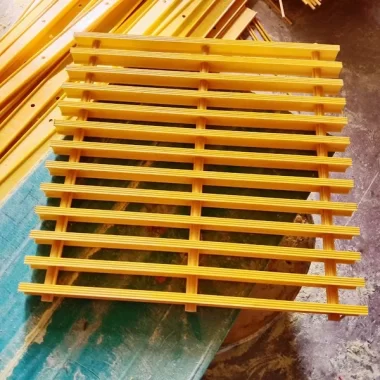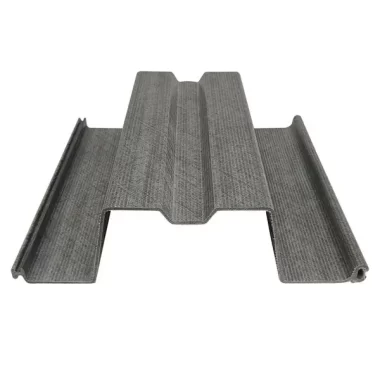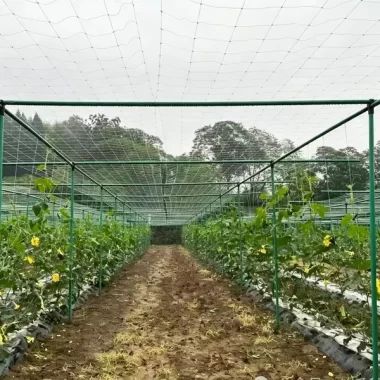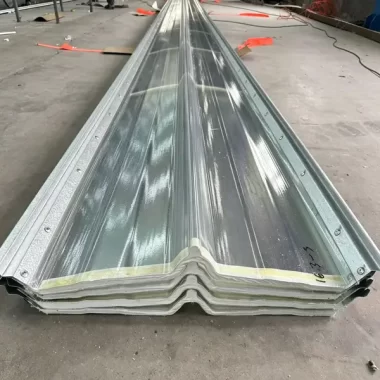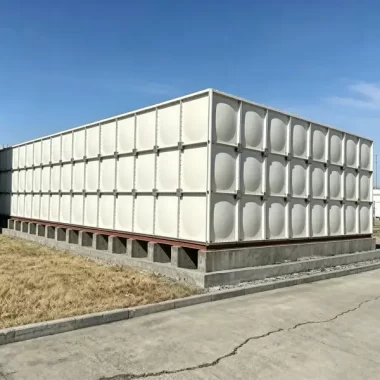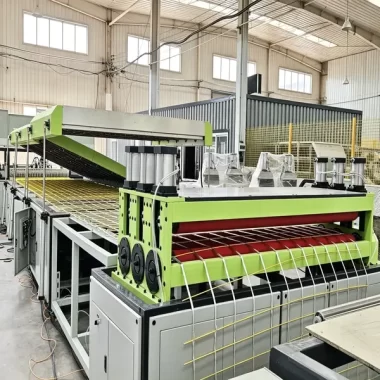

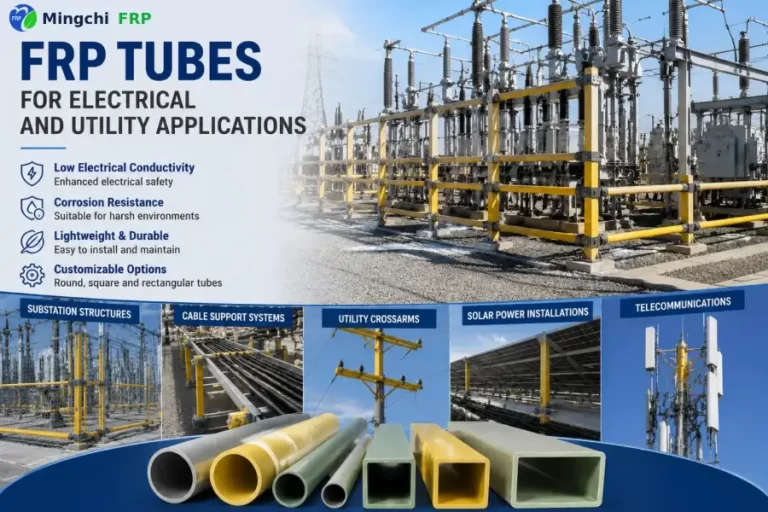
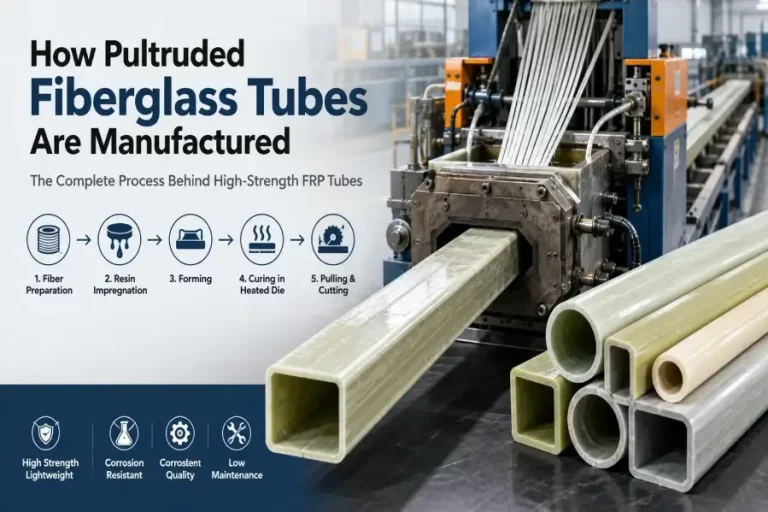
Fiber Reinforced Plastic (FRP) is no longer a niche engineering material. Across construction, wastewater treatment, marine infrastructure, energy systems, and industrial manufacturing, global demand for FRP products continues to accelerate as industries replace traditional steel, aluminum, and wood with lighter and more corrosion-resistant composite materials.
According to recent industry research, the global fiber-reinforced plastics market was valued at approximately USD 85.7 billion in 2025 and is projected to reach USD 128.2 billion by 2033, growing at a CAGR of 5.2% from 2026 to 2033.
This growth is being driven by several long-term industrial trends:
- Infrastructure modernization
- Corrosion-resistant material demand
- Lightweight engineering requirements
- Renewable energy expansion
- Increasing maintenance costs of steel structures
- Growth of wastewater and chemical processing facilities
In this article, we analyze the real market demand behind FRP products, the industries driving growth, regional demand trends, and why fiberglass reinforced plastic is becoming a preferred alternative to traditional materials.
What Is Driving Global FRP Market Growth?
FRP materials combine fiberglass reinforcement with polymer resin systems to create lightweight structural composites with excellent durability and corrosion resistance.
Compared with steel or aluminum, FRP offers:
- High strength-to-weight ratio
- 優れた耐食性
- メンテナンスが簡素
- 電気絶縁
- Long service life in harsh environments
- Reduced installation costs
These advantages have become increasingly important in industries facing aggressive chemicals, coastal environments, and aging infrastructure.
According to Grand View Research, construction and infrastructure represented the largest FRP application segment in 2025, accounting for approximately 33.2% of global market revenue.
Global FRP Market Size and Forecast
Recent industry data shows continued expansion across both thermoset and thermoplastic FRP applications.
| Year | Global FRP Market Size |
|---|---|
| 2025 | USD 85.7 Billion |
| 2026 | USD 90.0 Billion |
| 2033 Forecast | USD 128.2 Billion |
Expected CAGR (2026–2033): 5.2%
Glass Fiber Reinforced Polymer (GFRP) remains the dominant product category, accounting for roughly 62% of market share in 2025.
Industries Creating the Highest Demand for FRP
1. Construction & Infrastructure
Infrastructure is currently the largest consumer of FRP materials globally.
Applications include:
- FRP grating systems
- Structural profiles
- Handrails
- Bridge reinforcement
- Utility platforms
- Cable trays
- Industrial flooring
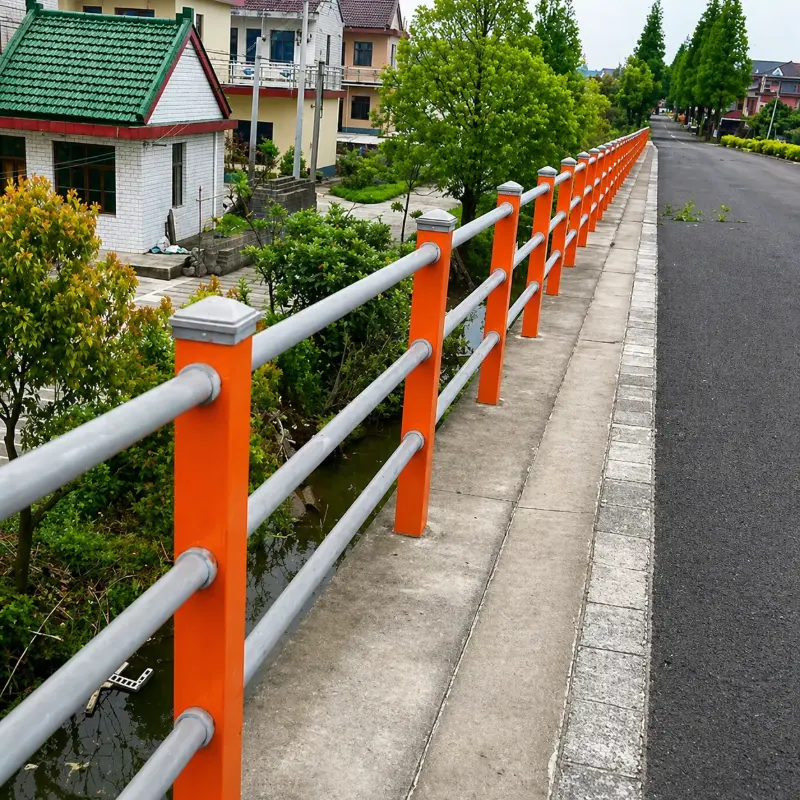
Governments and industrial operators increasingly prefer FRP because traditional steel structures require expensive maintenance in corrosive environments.
FRP is especially growing in:
- Wastewater treatment plants
- Coastal infrastructure
- Chemical facilities
- Industrial rooftops
- Power plants
2. Wastewater Treatment Industry
Wastewater infrastructure is one of the fastest-growing FRP sectors.
FRP products are widely used for:
- 歩廊
- Platforms
- Ladders
- Pipe supports
- Odor control covers
- Chemical tanks

The reason is simple:
steel corrodes rapidly in hydrogen sulfide and chemically aggressive wastewater environments.
FRP significantly reduces long-term maintenance and shutdown costs.
This is one of the biggest reasons global municipalities and industrial water treatment facilities continue increasing FRP adoption.
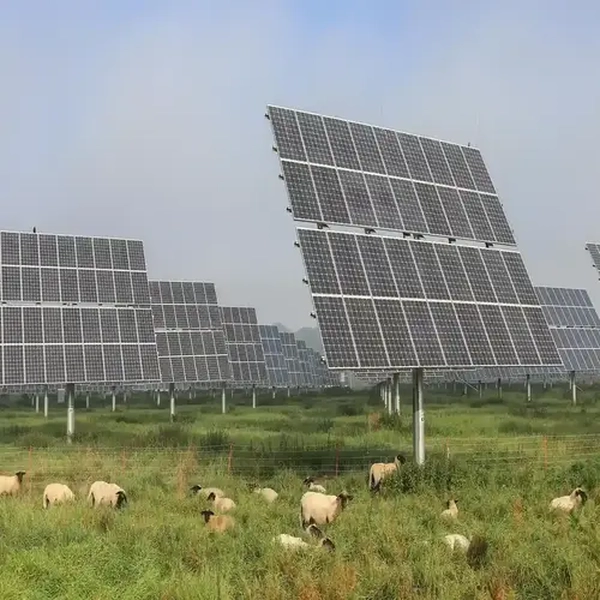
3. Renewable Energy & Wind Power
The wind energy sector continues expanding FRP usage because composite materials provide:
- Lightweight performance
- Structural rigidity
- Fatigue resistance
FRP composites are extensively used in:
- Wind turbine blades
- Electrical insulation systems
- Structural supports

As renewable energy investments increase globally, FRP demand is expected to rise steadily through 2033.
4. Marine and Coastal Infrastructure
Marine environments are extremely destructive to steel due to:
- 塩水による浸食
- 高湿度
- Corrosion cycles
FRP products now replace metal in:
- Dock systems
- Offshore walkways
- Marine ladders
- Coastal platforms
- Boat structures

Hybrid FRP materials are also gaining traction in marine applications because of improved durability and reduced maintenance requirements.
5. Electrical & Electronics Industry
According to recent market forecasts, the electrical and electronics segment is expected to grow at approximately 7.3% CAGR through 2033.
This growth is driven by:
- Electrical insulation demand
- Lightweight housing systems
- Data center infrastructure
- Renewable electrical systems
FRP materials are naturally non-conductive, making them highly suitable for electrical safety applications.
Which Regions Are Seeing the Fastest FRP Demand Growth?
Asia-Pacific
Asia-Pacific currently dominates the global FRP market with approximately 37.4% market share.
China and India are major growth drivers due to:
- Rapid industrialization
- Infrastructure expansion
- Energy investments
- Urban wastewater development
India is projected to grow at approximately 7.6% CAGR through 2033, one of the fastest regional growth rates globally.
North America
The United States FRP market generated approximately USD 15.2 billion in revenue during 2025 and is forecast to exceed USD 21 billion by 2033.
Demand growth is primarily linked to:
- Aging infrastructure replacement
- Industrial retrofitting
- Chemical processing facilities
- Renewable energy projects
Middle East & Coastal Regions
Desalination plants, petrochemical facilities, and marine infrastructure continue increasing demand for corrosion-resistant FRP systems.
These regions favor FRP because maintenance costs for steel structures in saline environments are extremely high.
Why FRP Is Replacing Traditional Steel
The long-term shift from steel to FRP is one of the most important drivers behind market growth.
| Property | Steel | FRP |
|---|---|---|
| 耐食性 | Poor | 優れた |
| 重量 | 重量物 | Lightweight |
| Electrical Conductivity | Conductive | Non-conductive |
| メンテナンスコスト | 高い | 低い |
| Chemical Resistance | Limited | 優れた |
| Installation Labor | Higher | Lower |
For many industrial operators, lifecycle cost matters more than initial material price.
Although FRP may have higher upfront costs in some applications, reduced maintenance and longer service life often create lower total ownership costs.
Future Trends in the FRP Industry
Several trends are expected to shape future FRP demand:
Sustainable Infrastructure
Governments increasingly prioritize:
- Longer-lasting materials
- Reduced maintenance
- Lower lifecycle emissions
FRP aligns well with these goals because it reduces replacement frequency and maintenance requirements.
Pultruded Structural Profiles
Pultrusion technology continues expanding because it allows:
- Consistent structural quality
- Lower production costs
- Large-scale industrial manufacturing
Demand for pultruded FRP profiles is especially strong in:
- Industrial walkways
- Utility structures
- Cable support systems
- Cooling tower systems
Hybrid Composite Materials
Hybrid FRP systems combining fiberglass, carbon fiber, and advanced resins are becoming more common in:
- Aerospace
- Marine engineering
- Transportation
- Renewable energy
Grand View Research estimates hybrid FRP segments could grow at approximately 7.2% CAGR through 2033.
結論
The global FRP market continues to grow because industries increasingly require lightweight, corrosion-resistant, and low-maintenance materials.
Construction, wastewater treatment, renewable energy, marine engineering, and industrial infrastructure remain the largest drivers behind FRP demand growth.
As infrastructure ages and maintenance costs rise worldwide, FRP materials are expected to replace traditional steel in an expanding number of industrial applications.
For manufacturers and project engineers, understanding these market trends is essential when planning long-term infrastructure investments and material selection strategies.
At ミンチ FRP, we continue following global FRP market developments to provide durable fiberglass solutions for industrial, marine, construction, and corrosion-resistant applications worldwide.