
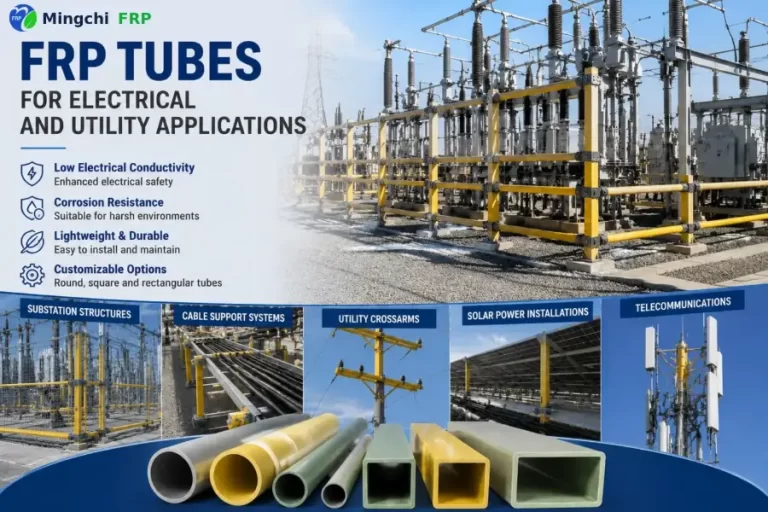
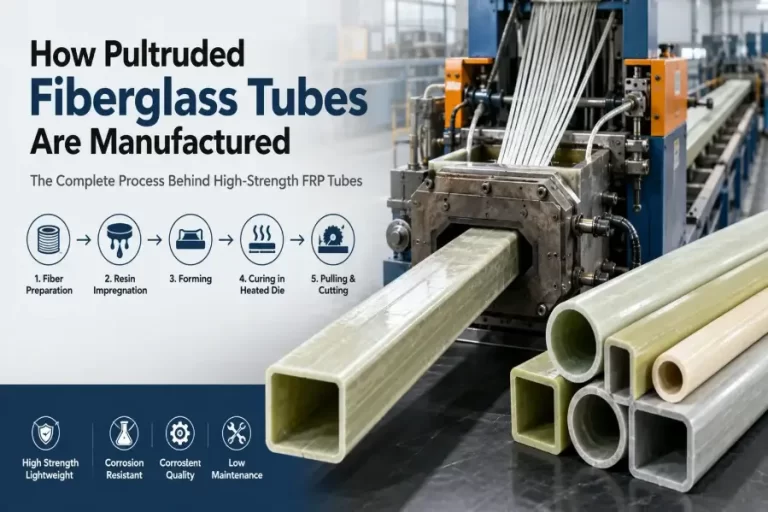
FRP (Fiberglass Reinforced Plastic) is widely used in industrial applications because of its excellent mechanical strength, corrosion resistance and unique electrical and thermal properties.
Unlike traditional metals such as steel and aluminum, FRP has very low electrical conductivity and low thermal conductivity.
These properties make FRP an ideal material for applications where electrical insulation, temperature control and safety are important.
Common FRP applications include:
- Electrical platforms
- Cable support systems
- Power plants
- Chemical facilities
- Industrial walkways
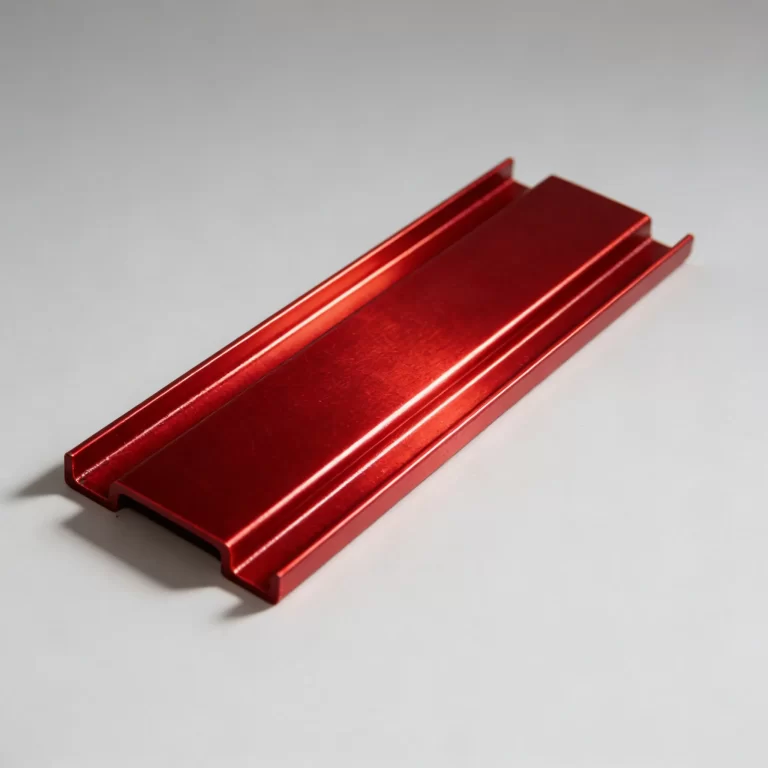
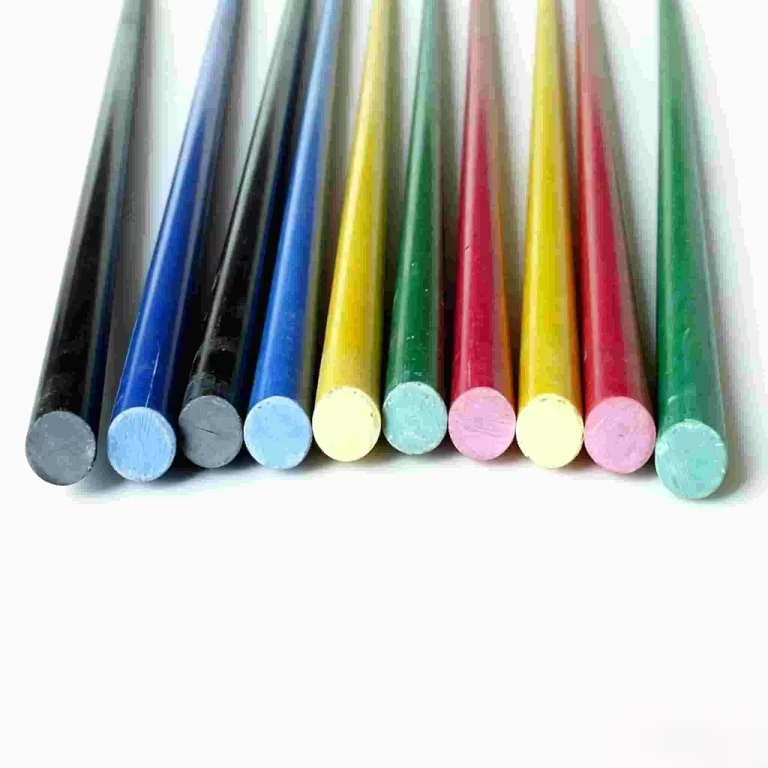
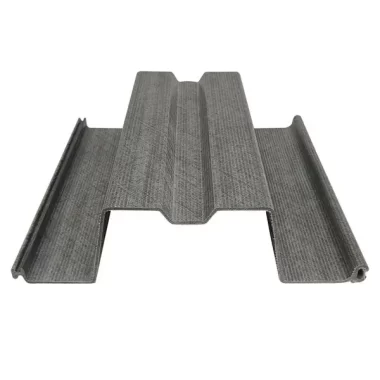
- FRP structural profiles
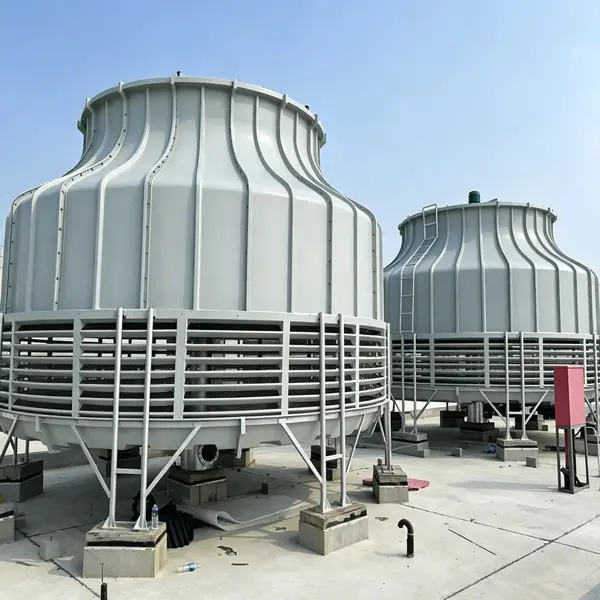
FRP Is a Low Conductivity Material
FRP is generally considered a non-conductive material because the fiberglass reinforcement and polymer resin matrix do not allow electrical current to flow easily.
Compared with metals:
| Material | Electrical Conductivity |
|---|---|
| Copper | Very high |
| Aluminum | High |
| Steel | Conductive |
| FRP | Very low / Non-conductive |
This makes FRP suitable for environments where electrical safety is critical.
Why Is FRP Non-Conductive?
The electrical insulation properties of FRP come from its composite structure.
FRP consists mainly of:
Fiberglass Reinforcement
Provides:
- Mechanical strength
- Structural stability
Polymer Resin Matrix
Provides:
- Electrical insulation
- Corrosion resistance
- Environmental protection
The resin surrounds the fiberglass fibers, reducing electrical current transmission.
This unique structure allows FRP products to provide insulation performance while maintaining high strength.
FRP Electrical Insulation Applications
Because of its low electrical conductivity, FRP is widely used in electrical and industrial environments.
1. Power Plants and Substations
FRP is commonly used around electrical equipment where workers require additional protection.
Applications include:
- FRP walkways
- FRP platforms
- FRP handrails
- Cable support structures
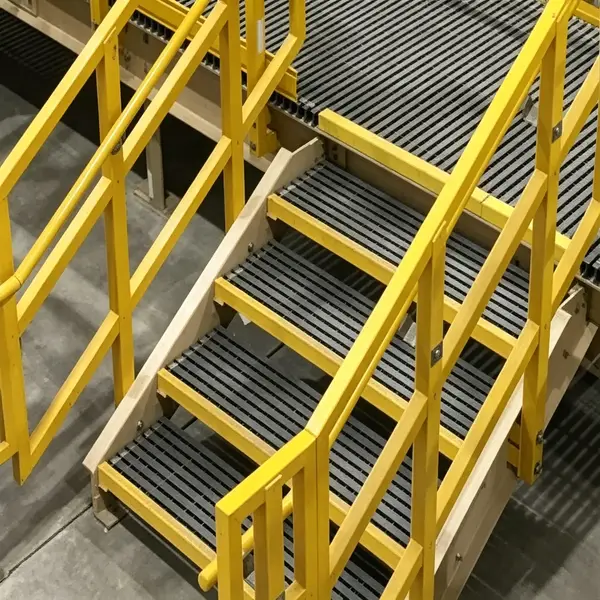
Compared with metal structures, non-conductive FRP reduces the risk of electrical conduction.
2. Cable Tray and Electrical Support Systems
FRP cable trays are widely used in:
- Power stations
- Data centers
- Industrial facilities
- Renewable energy projects
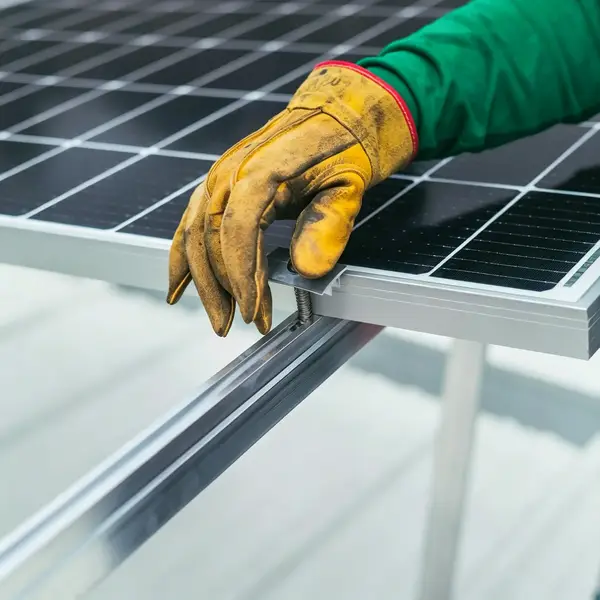
Advantages:
- Electrical insulation
- Corrosion resistance
- Lightweight installation
- Long service life
3. Electrical Maintenance Platforms
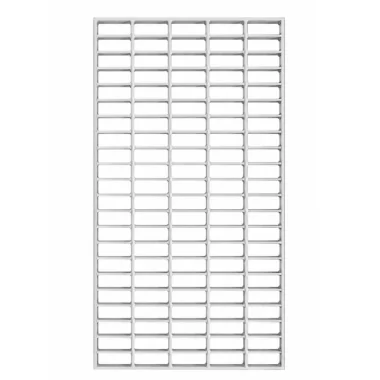
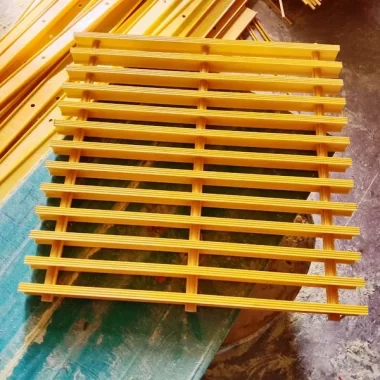
FRP grating and FRP structural profiles are often used for maintenance platforms near electrical equipment.
Applications:
- Transformer platforms
- Switchgear areas
- Electrical inspection walkways
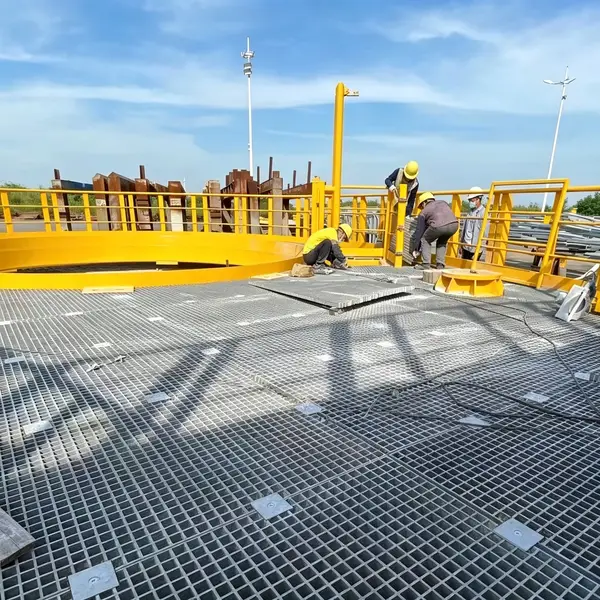
The non-conductive properties of FRP provide additional safety advantages.
Why Low Thermal Conductivity Matters
1. Temperature Control
FRP can reduce heat transfer between different environments.
This is useful for:
- Equipment covers
- Industrial structures
- Insulated components
2. Worker Safety
Metal surfaces exposed to sunlight or high temperatures can become extremely hot.
FRP surfaces generally absorb and transfer less heat compared with metals.
This improves comfort and safety in outdoor industrial applications.
3. Energy Efficiency
In some applications, reducing heat transfer can help improve energy efficiency.
FRP is commonly considered when thermal insulation is required together with structural performance.
Applications of FRP Based on Electrical and Thermal Properties
Chemical Plants
Chemical facilities often require materials that provide:
- Electrical safety
- Corrosion resistance
- Low maintenance
FRP is used for:
- Platforms
- Handrails
- Walkways
- Structural supports
Renewable Energy Projects
FRP is increasingly used in:
- Solar installations
- Wind energy facilities
- Electrical equipment areas
Benefits:
- Non-conductive properties
- Outdoor durability
- Lightweight structure
Marine and Offshore Facilities
Marine environments require materials that resist:
- Saltwater corrosion
- Humidity
- Electrical risks
FRP products are used in:
- Offshore platforms
- Marine walkways
- Electrical support systems
FRP Products with Electrical Insulation Properties
Mingchi supplies various FRP products designed for industrial applications.
FRP Grating
Used for:
- Electrical platforms
- Walkways
- Maintenance areas
Advantages:
- Anti-slip surface
- Corrosion resistance
- Non-conductive performance
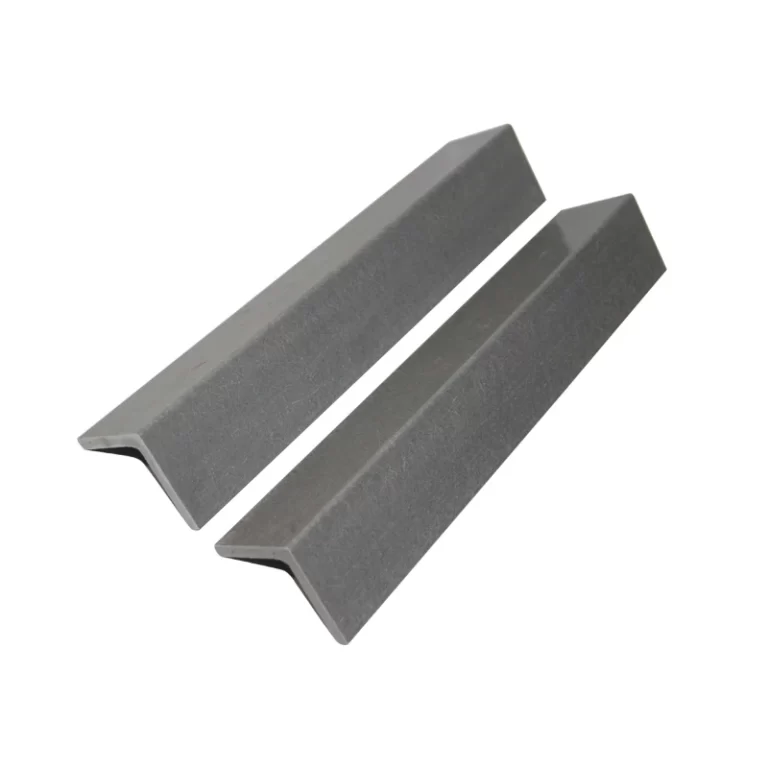
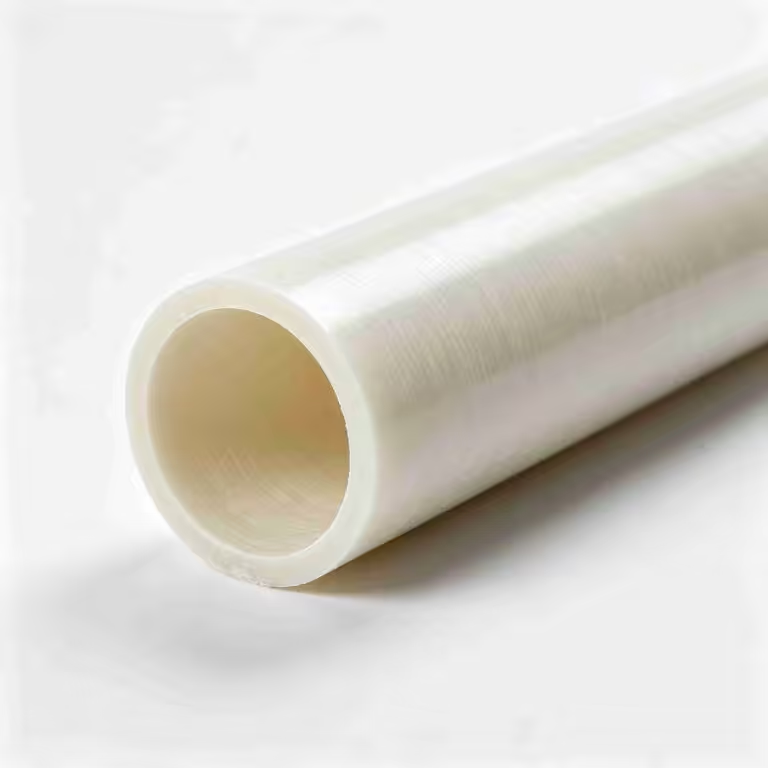
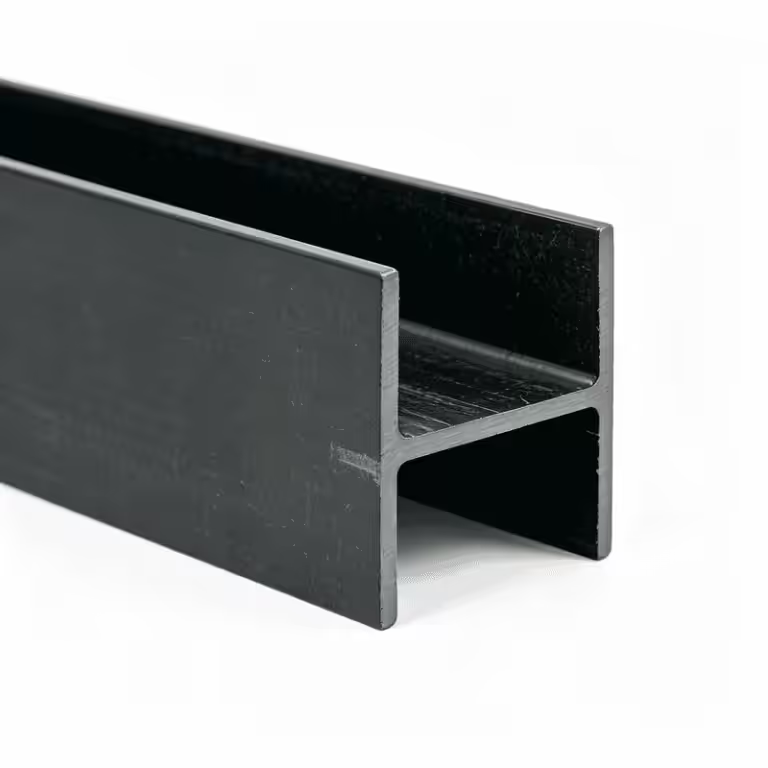
FRP Structural Profiles
Including:
- FRP I Beam
- FRP Channel
- FRP Angle
- FRP Square Tube
- FRP Round Tube
Used for:
- Structural frames
- Equipment supports
- Electrical facilities
FRP Handrail Systems
FRP handrails provide:
- Worker protection
- Electrical insulation
- Long-term durability
Factors Affecting FRP Conductivity
Although FRP is generally non-conductive, performance can vary depending on:
Resin Type
Different resin systems affect electrical properties.
Moisture Exposure
Water absorption may influence electrical performance in certain conditions.
Carbon Fiber Reinforcement
Some FRP composites using carbon fibers may have different conductivity characteristics compared with standard fiberglass FRP.
For typical fiberglass reinforced plastic products, FRP remains a low conductivity material.
Frequently Asked Questions About FRP Conductivity
Is FRP electrically conductive?
Standard fiberglass reinforced plastic (FRP) has very low electrical conductivity and is commonly used as an insulating material.
Is FRP a good thermal insulator?
Yes. FRP has lower thermal conductivity compared with metals, making it useful where reduced heat transfer is required.
Why is FRP used near electrical equipment?
FRP is used because it provides electrical insulation, corrosion resistance and lightweight structural performance.
Does FRP conduct heat?
FRP can transfer heat, but much slower than metals such as aluminum and steel due to its low thermal conductivity.
Conclusion
FRP offers unique electrical and thermal properties that make it different from traditional metal materials.
Its advantages include:
✓ Low electrical conductivity
✓ Electrical insulation performance
✓ Low thermal conductivity
✓ Corrosion resistance
✓ Lightweight structure
For industrial applications requiring safety, durability and insulation performance, FRP provides an excellent alternative to conventional metal materials.