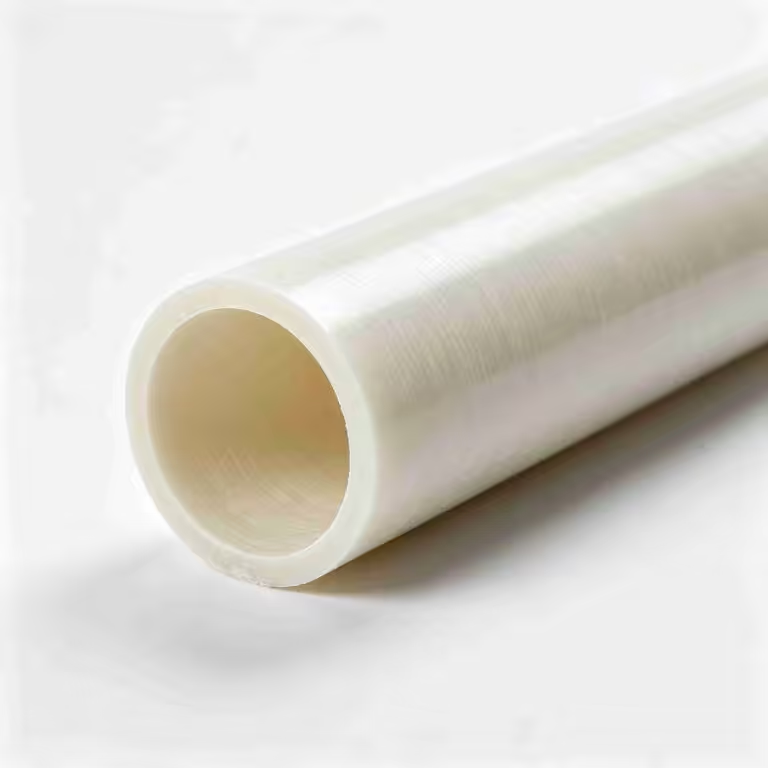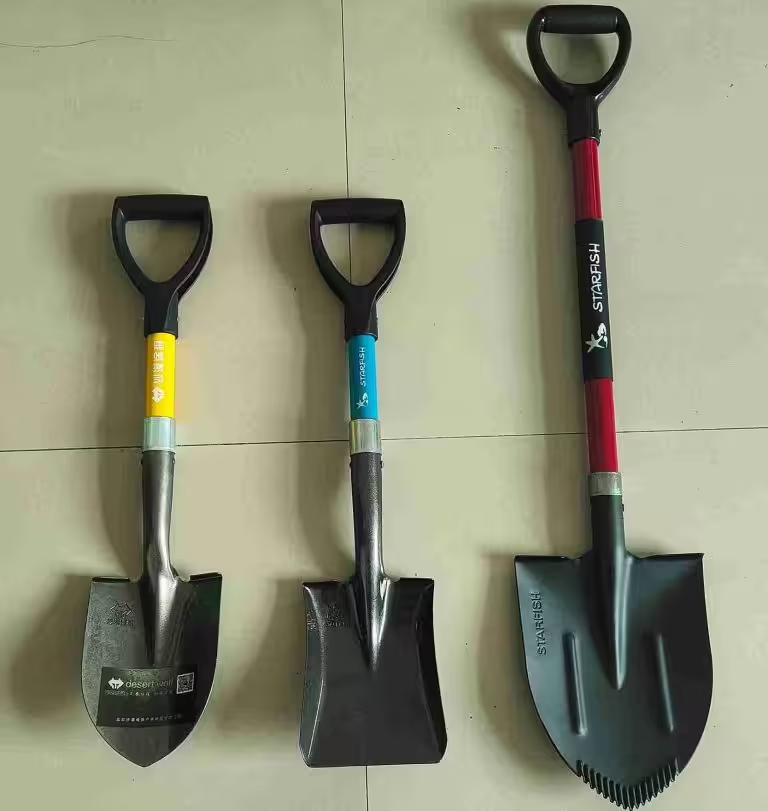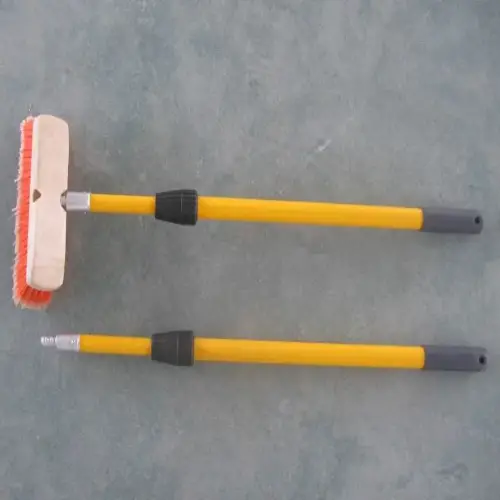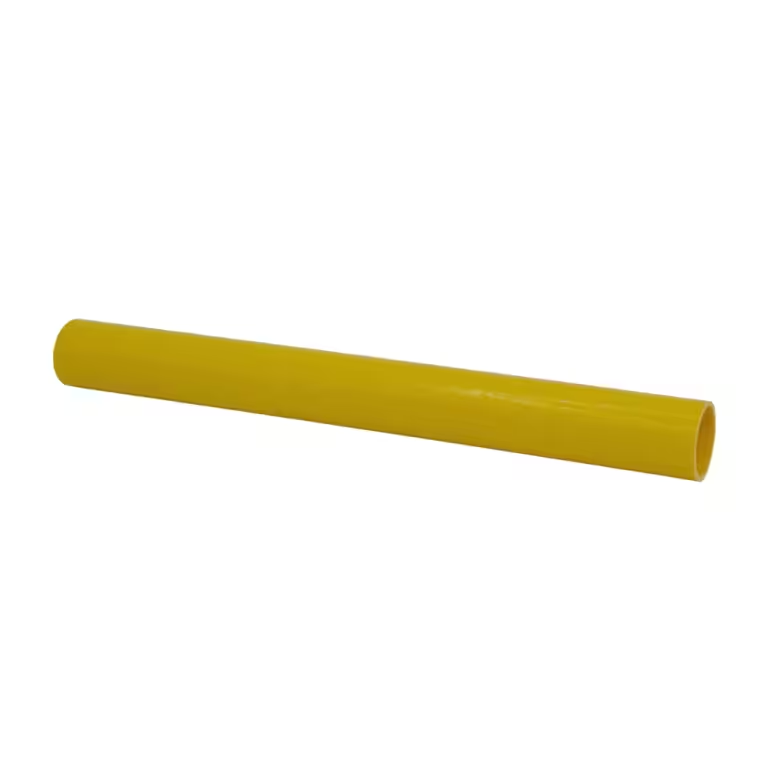

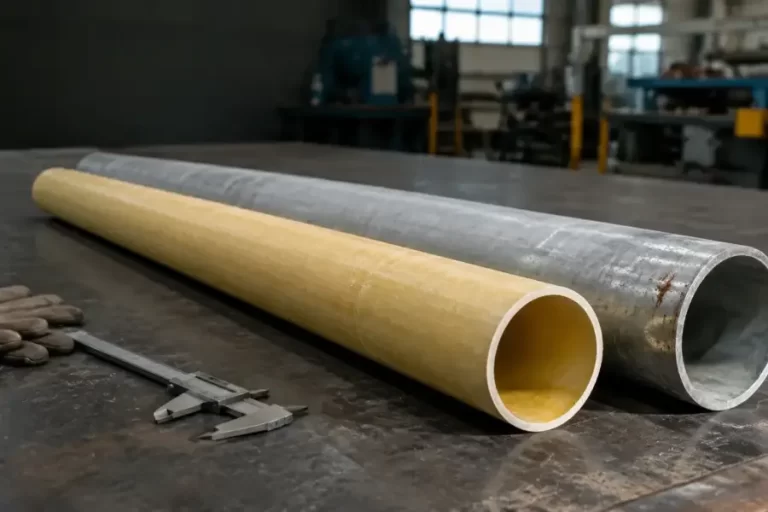
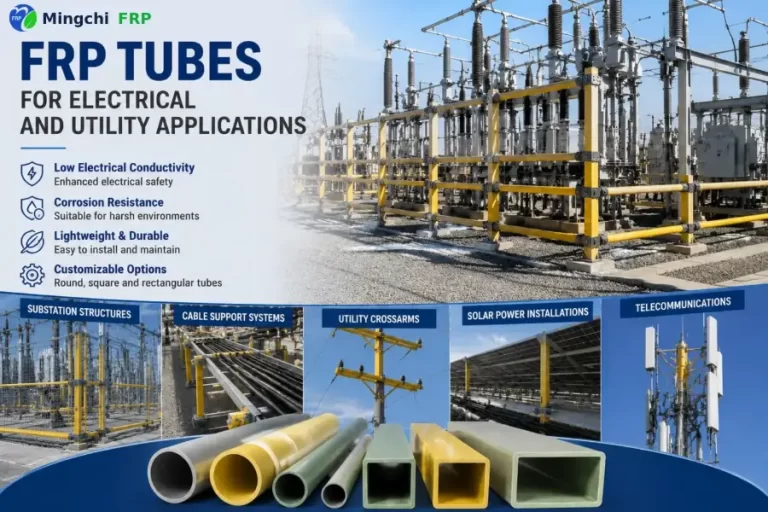
FRP round tubes can form handrails, barriers, frames, marine structures, and electrical supports. You cannot weld them like steel tubes.
You can join them with sleeves, couplers, bolts, structural adhesive, or a mix of bolts and adhesive. Choose the method based on the tube size, wall thickness, load, environment, and whether you need to remove the joint later.
This guide explains each connection method and the main mistakes to avoid.
What Determines the Best FRP Tube Connection?
There is no single connector that is ideal for every project. Before choosing an FRP round tube joint, consider the following factors.
Tube dimensions
The connector must match the tube’s:
- Outside diameter
- Inside diameter
- Wall thickness
- Manufacturing tolerance
An internal sleeve should fit closely inside the tube. An external coupler should fit over the tube while leaving enough room for adhesive or fasteners.
Type of load
The joint may experience:
- Axial tension
- Compression
- Bending
- Torsion
- Shear
- Vibration
- Impact
A handrail with a light load may only need a simple joint. A frame under repeated bending needs a stronger connection.
Permanent or removable assembly
Adhesive joints usually stay permanent. Use bolted clamps or mechanical fittings when you need to take the joint apart, inspect it, or replace parts.
Installation environment
Choose fasteners and adhesive based on exposure to water, salt, acids, alkalis, and other chemicals.
For marine or chemical projects, make sure the connectors suit both the tube and the environment. Consider stainless-steel, fiberglass, or coated fasteners for better corrosion resistance.
FRP Round Tube Connection Methods Compared
| Connection method | Typical application | Main advantage | Main limitation |
|---|---|---|---|
| Internal sleeve | Handrails, tube extensions and lightweight frames | Clean external appearance | Requires accurate inside-diameter fit |
| External sleeve | Repairs, extensions and accessible structural joints | Easy to inspect and install | Connector remains visible |
| Bolted fitting | Removable frames and equipment structures | Can be disassembled | Creates localized stress around holes |
| Adhesive bonding | Permanent tube assemblies | Distributes stress over a larger area | Requires preparation and curing time |
| Bolted and bonded joint | Structural and vibration-sensitive assemblies | Combines mechanical retention and bonded load transfer | More installation steps |
1. Internal Sleeve Connections
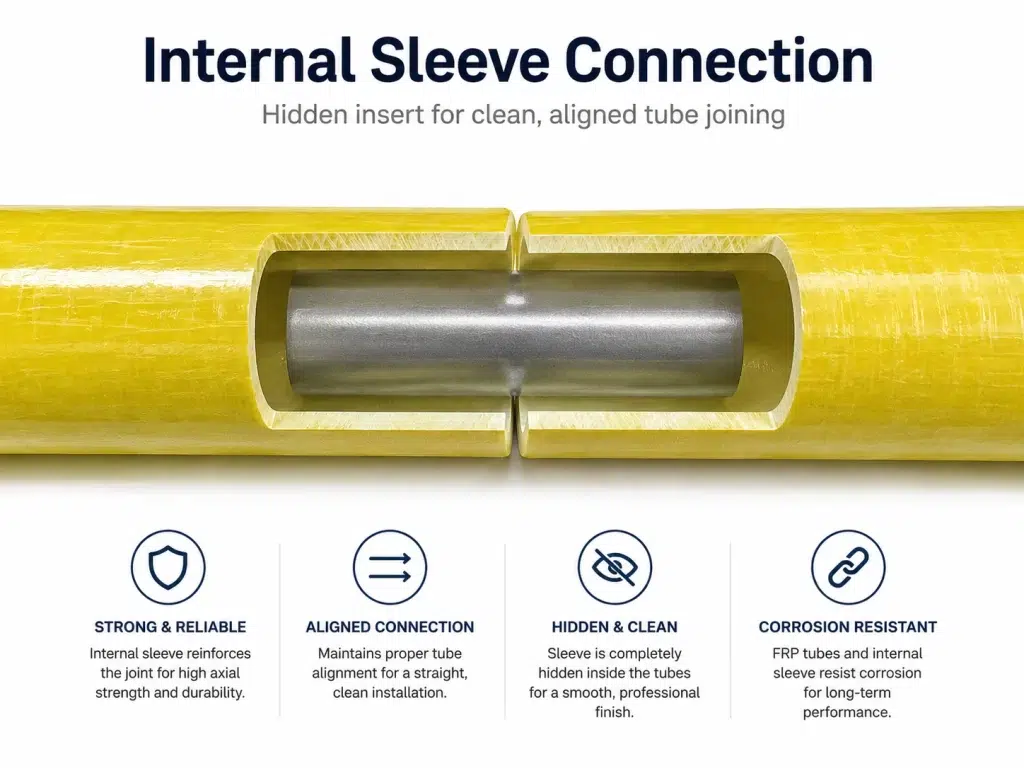
To make an internal sleeve joint, slide a smaller tube, solid FRP insert, or connector into both tube ends.
The two main tubes slide over the sleeve from opposite directions. The sleeve may then be secured with adhesive, bolts, rivets or a combination of methods.
Where internal sleeves are commonly used
Internal FRP tube connectors are suitable for:
- Extending long fiberglass tubes
- Joining handrail sections
- Connecting horizontal railing members
- Assembling lightweight structural frames
- Creating clean-looking architectural joints
- Prefabricating modules for transportation
Advantages of an internal fiberglass tube sleeve
The main advantage is that most of the connector remains hidden inside the tube. This produces a smooth external surface and reduces interference with nearby components.
A properly fitted sleeve also increases the contact area available for adhesive bonding.
Important design considerations
The sleeve should fit closely inside the tube. A loose fit leaves large glue gaps, while a tight fit can damage the tube or make installation difficult.
The sleeve must extend far enough into both tubes to carry the expected load. Choose the sleeve length based on the load, adhesive, wall thickness, and safety needs—not just the tube diameter.
For load-bearing structures, ask a qualified engineer to check the sleeve size and joint strength.
Basic installation process
- Check the inside diameter of both FRP tubes.
- Confirm that the sleeve fits correctly.
- Mark the required insertion depth.
- Clean and prepare the bonding surfaces.
- Apply the selected structural adhesive evenly.
- Insert the sleeve into the first tube.
- Install the second tube over the exposed sleeve.
- Align both components before the adhesive begins to cure.
- Clamp or mechanically secure the joint.
- Allow the adhesive to reach the required cure before loading the structure.
2. External Sleeve and Coupler Connections
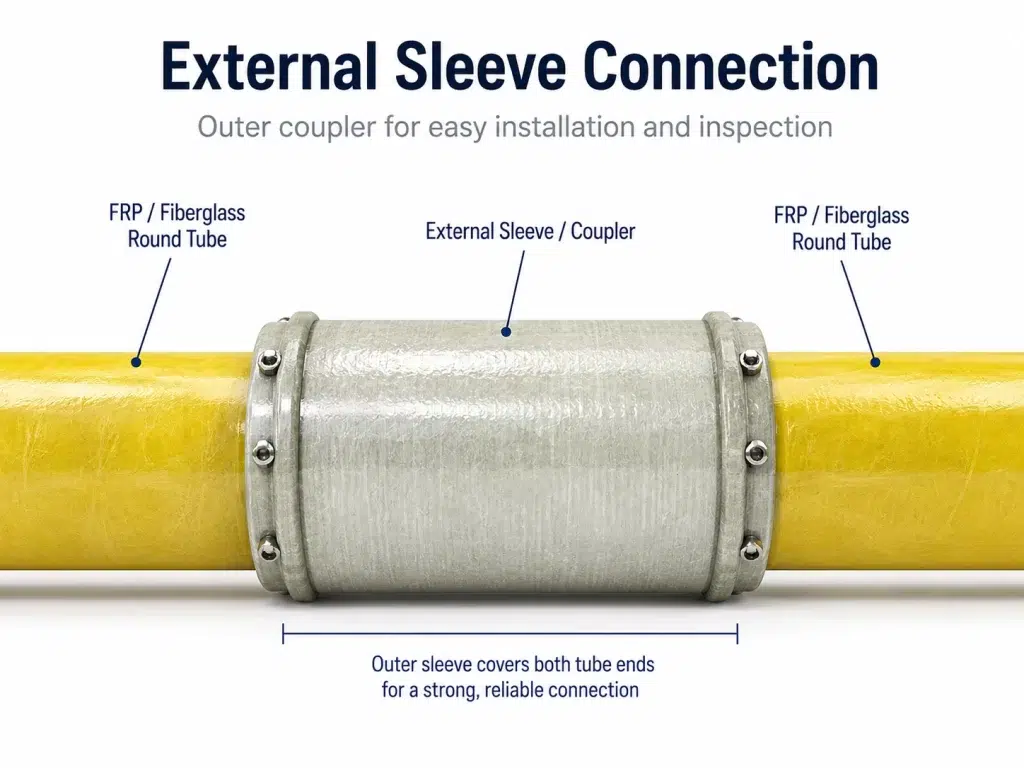
An external sleeve fits around the outside of two FRP round tube sections. It may be a fiberglass coupler, split clamp, molded connector or fabricated collar.
Use an external coupler when you cannot reach inside the tube or need to connect tubes already in place.
Typical applications
External fiberglass round tube fittings may be used for:
- Tube extensions
- Field repairs
- Handrail modifications
- Temporary structures
- Modular frames
- Connections requiring visual inspection
- Joints where an internal sleeve cannot be inserted
Advantages
External couplers are generally easier to position and inspect than hidden internal connectors. They may also provide a relatively large bonding area.
You can remove some split clamps without cutting the FRP tube. This makes them useful for parts that may need replacement.
Limitations
The connector remains visible and increases the outside dimension of the joint. This can affect appearance and may interfere with brackets, panels or nearby equipment.
External sleeves need properly shaped ends. A sudden change in stiffness can place extra stress near the sleeve edge, especially when the tube bends.
3. Bolted and Mechanically Fastened Connections
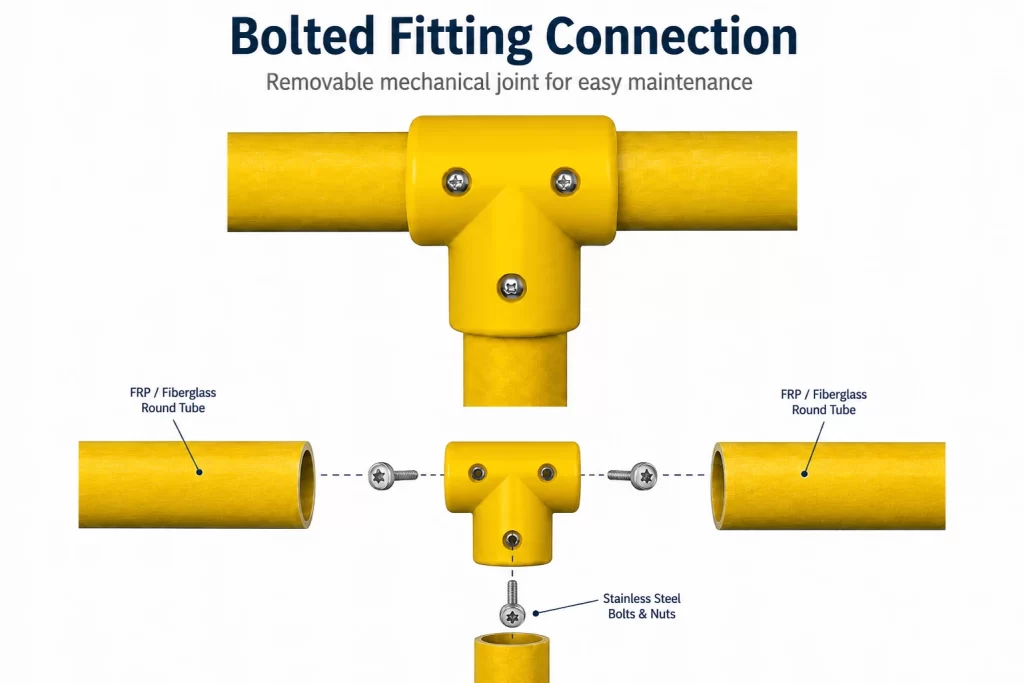
Use bolts, rivets, screws, or clamps to join FRP tubes. These methods allow fast assembly and easy removal in industrial frames.
FRP can crack or weaken around fastener holes if the pressure is too high. Use flat washers on both sides to spread the load, and consider combining well-fitted bolts with adhesive for a stronger joint.
Bolted connections are suitable for:
- Removable equipment frames
- Maintenance access sections
- Adjustable brackets
- Industrial handrail assemblies
- Tube-to-plate connections
- Tube-to-angle connections
- Structures assembled at the project site
Drilling FRP round tubes
FRP can be drilled with suitable tools, but the tube must be supported so that it does not move, vibrate or deform during drilling.
Use a sharp drill bit and controlled feed pressure. Excessive pressure or a dull tool may produce rough edges, heat buildup or surface damage.
After drilling:
- Remove loose dust and fibers.
- Inspect the hole edge.
- Seal exposed glass fibers when required by the service environment.
- Avoid overtightening the fastener.
- Use washers or backing plates where needed.
Seal cut or sanded FRP surfaces to protect exposed glass fibers, especially in corrosive areas. Wear eye, skin, and breathing protection because cutting and drilling FRP creates fine dust.
Fastener material selection
Fastener materials should be selected according to the project environment.
Possible options include:
- Stainless-steel bolts
- Fiberglass threaded rods and nuts
- Coated metal fasteners
- Corrosion-resistant rivets
- Non-metallic clamps
In coastal or corrosive areas, use corrosion-resistant fasteners so they do not fail before the FRP structure. For demanding projects, combine these fasteners with structural adhesive for a stronger joint.
4. Adhesive Bonding for FRP Round Tubes
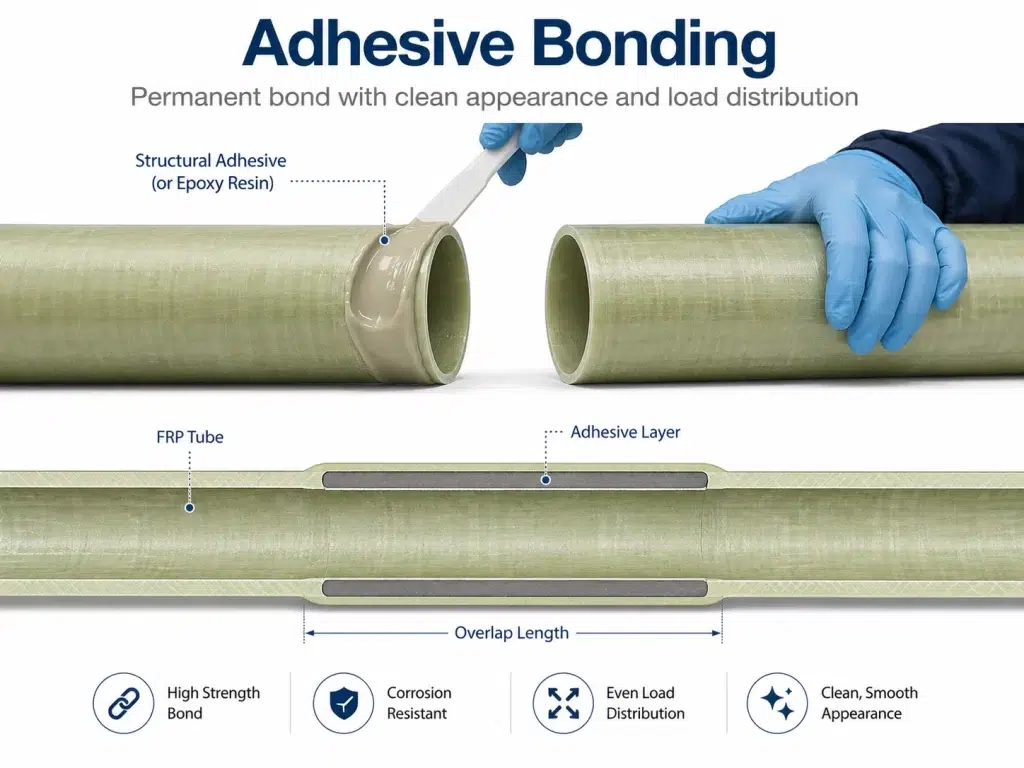
Adhesive spreads the load across the joint instead of placing it around individual bolts. It works well for permanent FRP tube joints and internal sleeve connections.
Benefits of adhesive bonding
A properly designed bonded joint can offer:
- Smooth load distribution
- No exposed bolt heads
- No additional holes in the main tube
- Good appearance
- Reduced risk of galvanic corrosion
- Compatibility with internal and external sleeves
- Additional resistance to vibration and movement
Choosing an adhesive for fiberglass tubing
The adhesive must be compatible with:
- The tube resin system
- The connector material
- The service temperature
- Moisture exposure
- Chemical exposure
- Required working time
- Required cure time
- Expected structural load
Two-part structural adhesives are commonly used for bonding pultruded fiberglass components. However, no adhesive should be selected only because it is labeled as “fiberglass glue.”
Check with the adhesive manufacturer to make sure the adhesive suits the FRP surface, environment, and joint design.
Surface preparation
Good surface preparation is essential. Even a high-performance adhesive can fail when applied over dust, oil, release residue or an unprepared surface.
A typical preparation sequence may include:
- Confirm that both parts fit correctly.
- Remove surface contamination.
- Lightly abrade the bonding area with suitable sandpaper.
- Remove sanding dust with a clean, dry cloth or brush.
- Avoid touching the prepared surface with bare hands.
- Mix the adhesive according to the manufacturer’s instructions.
- Apply an even film to the mating surfaces.
- Assemble and align the parts.
- Maintain pressure until the required cure is achieved.
Keep the bonding surfaces clean, cover the full joint with adhesive, and hold the parts in place while it cures. Do not wipe a sanded surface with a solvent-damp cloth, as this may contaminate it again.
5. Hybrid Bolted-and-Bonded Connections
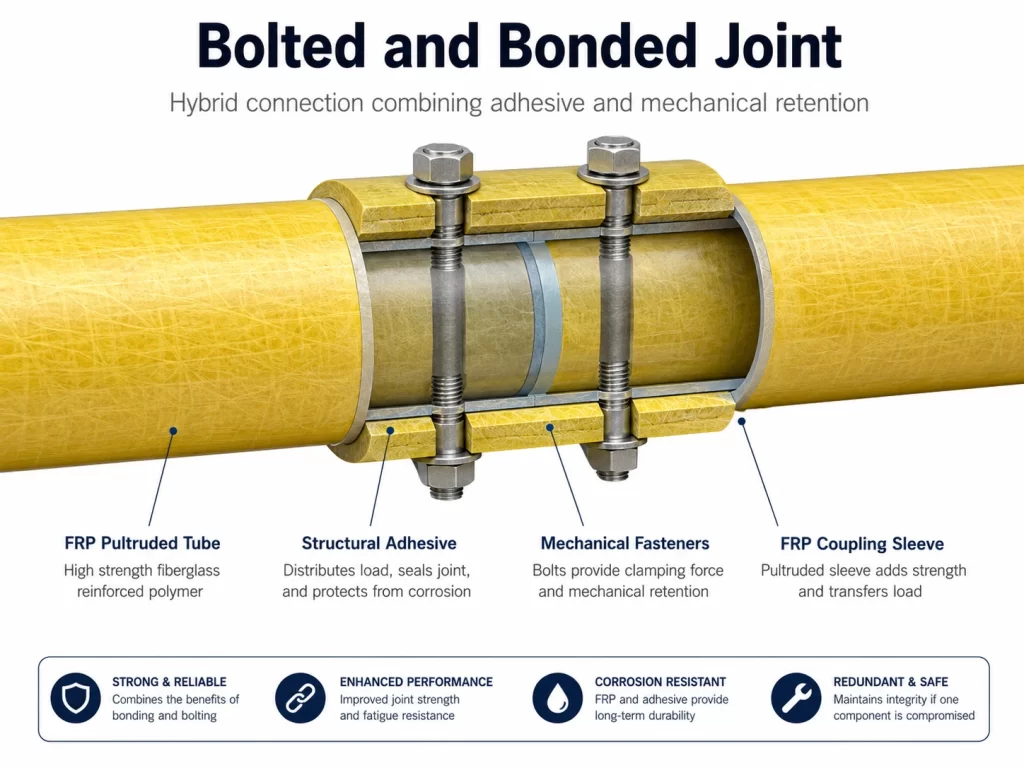
A hybrid joint combines structural adhesive with bolts, rivets or other mechanical fasteners.
This approach is often used when the connection requires:
- Immediate positioning during assembly
- Resistance to vibration
- Greater joint redundancy
- Improved load distribution
- Mechanical retention if the bond is damaged
- Reliable alignment during curing
A hybrid FRP round tube connection uses adhesive to spread the load and fasteners to keep the tubes aligned. The joint works best when the fasteners fit properly and the bonding surfaces are clean.
When a hybrid connection may be preferred
Hybrid joints may be suitable for:
- Industrial safety railings
- Structural frames
- Marine support assemblies
- Equipment platforms
- Vibration-sensitive structures
- Long tube extensions
- Connections subject to repeated movement
A hybrid joint can still be weak even when it uses both bolts and adhesive. Poorly placed holes, too little overlap, uneven adhesive, or overtightened bolts can cause problems.
Which Connection Method Should You Choose?
Choose an internal sleeve when:
- A clean outside appearance is important.
- The joint is permanent.
- The inside of the tube is accessible.
- Accurate tube and sleeve dimensions are available.
- A large adhesive bonding area is preferred.
Choose an external coupler when:
- Internal access is limited.
- The connection needs to be inspected easily.
- The tube is being repaired or extended in the field.
- A visible connector is acceptable.
- Future removal may be required.
Choose a bolted fitting when:
- The assembly must be removable.
- Installation speed is important.
- Components may need replacement.
- The joint is connected to a plate, bracket or structural member.
- Adhesive curing on site is impractical.
Choose adhesive bonding when:
- A permanent joint is acceptable.
- The mating surfaces can be prepared correctly.
- Sufficient cure time is available.
- A clean appearance is required.
- The joint benefits from distributed load transfer.
Choose a hybrid joint when:
- The connection is structurally important.
- Vibration or repeated movement is expected.
- Mechanical retention is required.
- Fasteners are needed to hold alignment during curing.
- Additional joint redundancy is desirable.
Frequently Asked Questions
How do you join two fiberglass round tubes together?
Join two fiberglass round tubes with an internal sleeve, external coupler, bolts, adhesive, or a mix of bolts and adhesive. Choose the method based on the load, tube size, environment, and whether you need to remove the joint later.
Can fiberglass round tubing be bolted?
Yes. FRP round tubing can be drilled and bolted when the joint is designed correctly. Flat washers or backing plates may be needed to distribute localized stress. The fastener should not be overtightened.
Do cut and drilled FRP surfaces need to be sealed?
Seal exposed glass fibers in outdoor, marine, and chemical environments. This protects cut edges and helps keep moisture and chemicals away from the fiberglass.
Is an internal or external sleeve stronger?
Strength cannot be determined only by whether the sleeve is inside or outside. It depends on sleeve length, fit, tube wall thickness, adhesive, fasteners, loading direction and joint geometry.
Can FRP round tubes be connected without metal fittings?
Yes. Connections can use fiberglass sleeves, molded FRP fittings, fiberglass bolts, structural adhesive or custom composite connectors. This may be useful where electrical insulation or corrosion resistance is important.
Final Recommendations
Reliable FRP round tube joints depend on matching the tube dimensions, connector, adhesive, fasteners, and installation method to the expected loads. Prepare bonding surfaces properly, avoid excessive bolt torque, seal exposed fibers when necessary, and allow the adhesive to cure fully. Load-bearing connections should receive an engineering review.
Contact Mingchi FRP early for custom FRP round tubes, sleeve joints, removable fittings, or prefabricated connection details. Send us your required dimensions, working environment, quantity, and project drawing for evaluation.