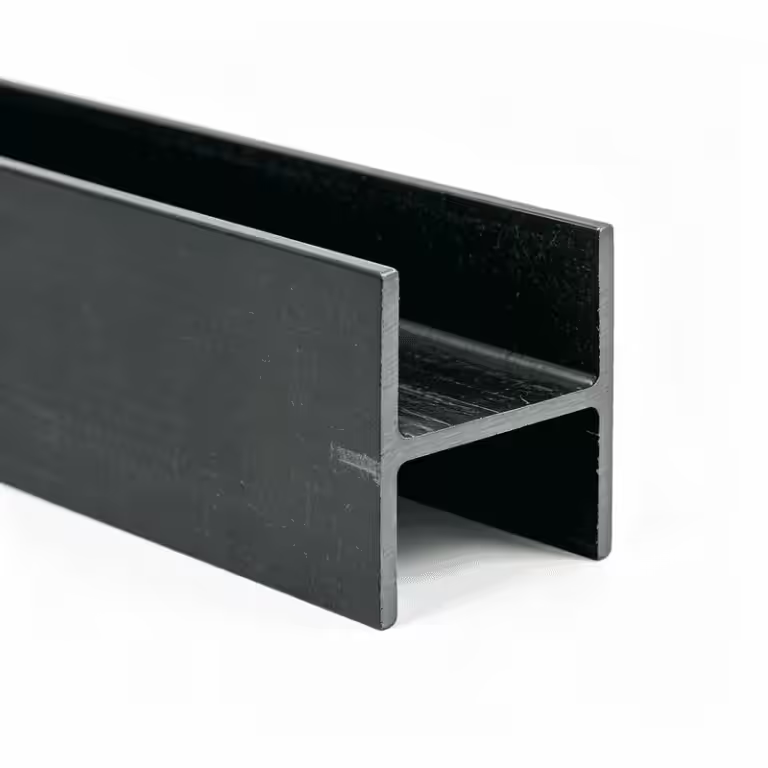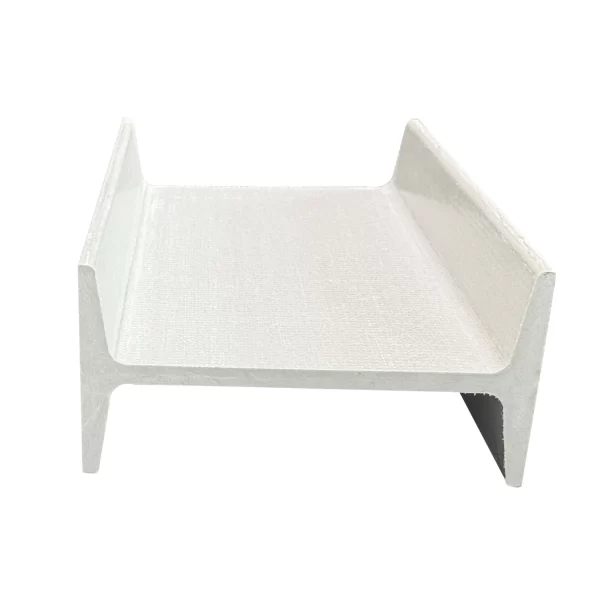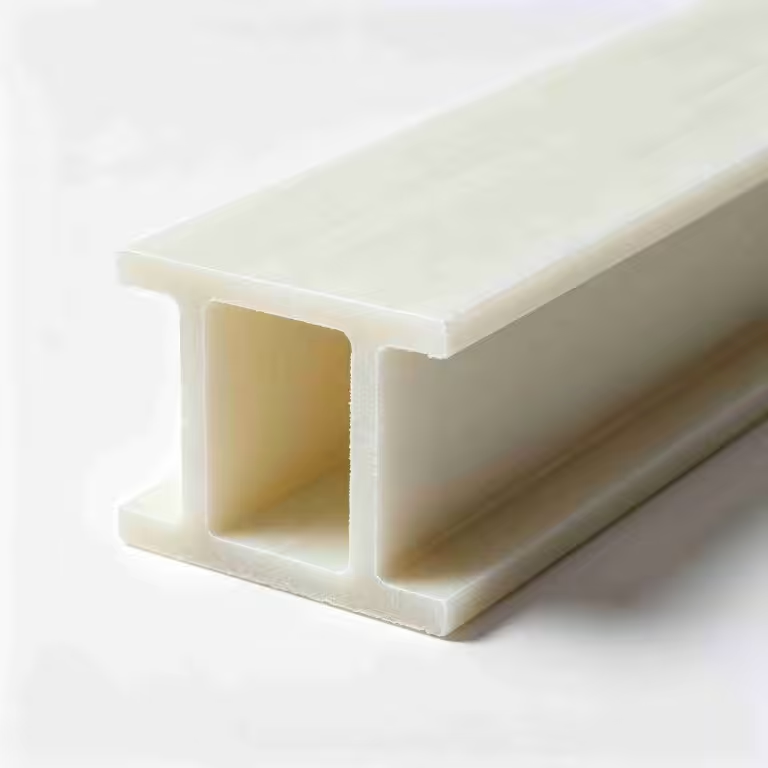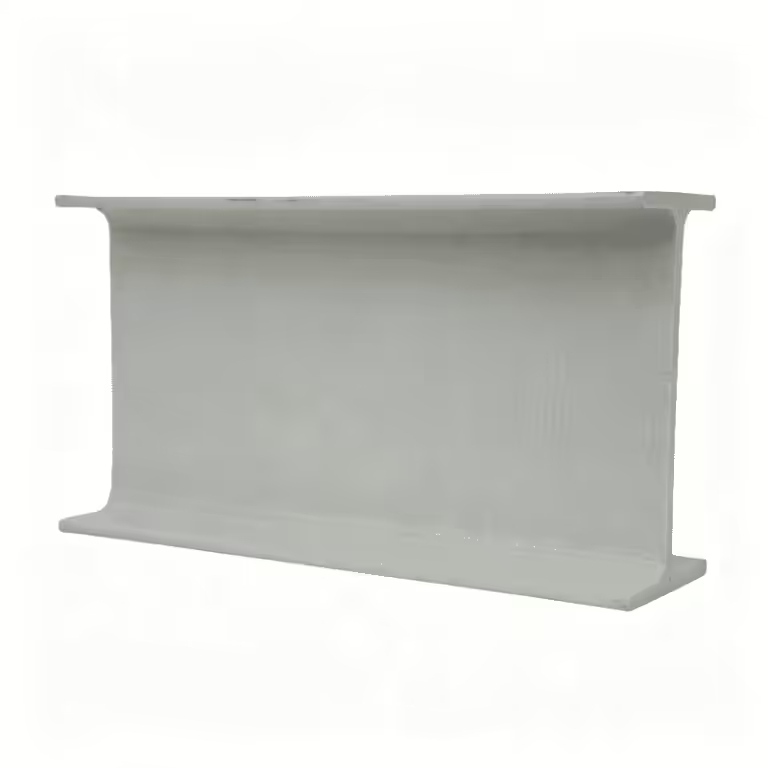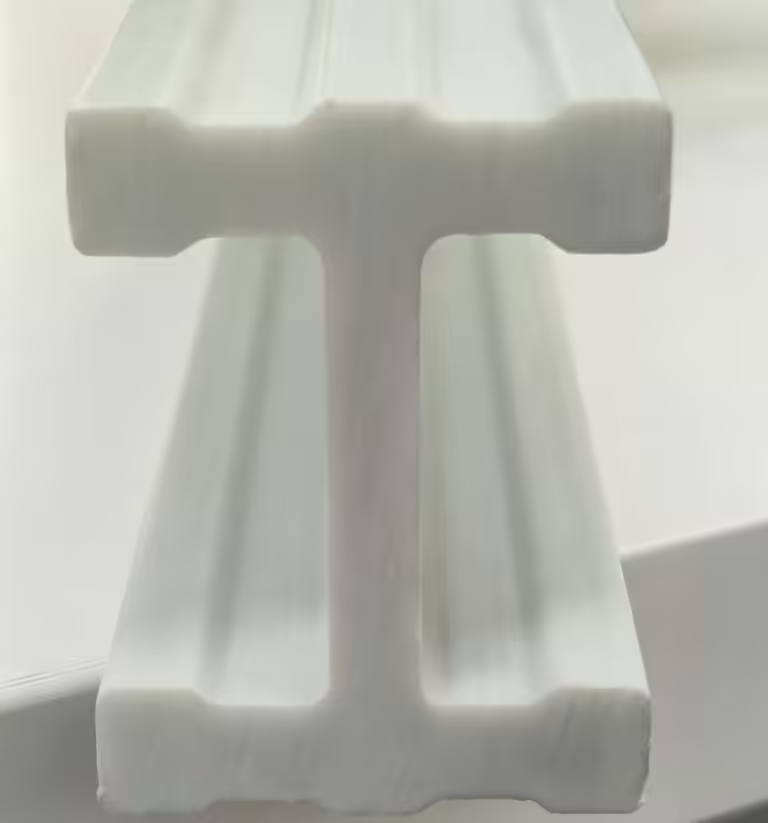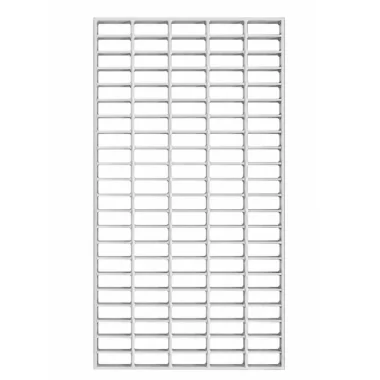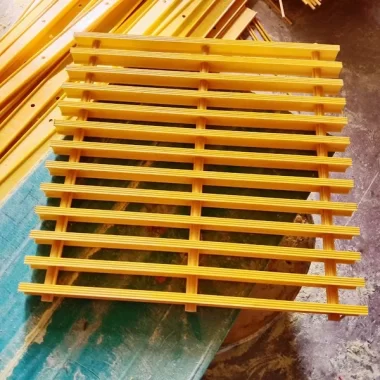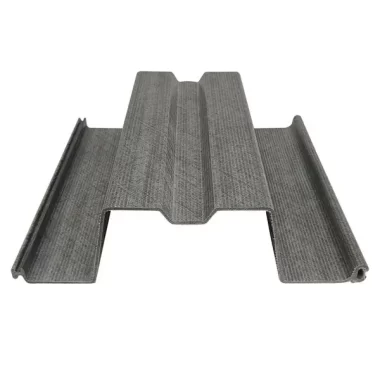
Fiber Reinforced Plastic (FRP) composites have become indispensable alternatives to metal, wood, and traditional plastic materials across industrial, marine, construction, and infrastructure sectors. Thanks to their lightweight structure, high strength, and exceptional corrosion resistance, FRP profiles and FRP grating dominate outdoor and high-risk industrial applications. However, raw FRP materials face two critical limitations: poor ultraviolet (UV) aging resistance and weak fire retardancy. Without targeted modifications, standard FRP products fade, embrittle, or deform under long-term sunlight exposure and burn rapidly when exposed to open flames. This article explores how professional FRP additives optimize UV stability and fire performance, helping manufacturers produce durable, safety-compliant FRP profiles and FRP grating for harsh working environments. For premium modified FRP products, visit mingchi.
Why Raw FRP Struggles With UV and Fire Challenges
Unmodified FRP relies on resin matrices and glass fiber reinforcements to form its structural integrity. The polyester, epoxy, or vinyl ester resins used in basic FRP formulations contain polymer chains vulnerable to external environmental damage. Outdoor UV radiation breaks molecular bonds in resin surfaces, triggering gradual degradation that leads to color fading, surface cracking, and reduced mechanical strength over time. This issue severely shortens the service life of outdoor-installed FRP profiles and walkway FRP grating.
In terms of fire safety, pure resin materials are highly flammable. Ordinary FRP products burn quickly, release dense smoke, and drip molten resin when heated, accelerating fire spread. Most construction, chemical, and marine projects require FRP components to meet strict fire rating standards. This makes simple raw FRP unable to pass industrial safety inspections, creating an urgent demand for high-performance FRP additives.
How UV Stabilizer Additives Boost Outdoor Durablilty
UV stabilizer additives are core modifiers for improving the weather resistance ofoutdoor FRP profiles and grating. Unlike single surface coatings that wear off easily, these additives integrate into the resin matrix during production to deliver long-term, all-round UV protection. Two mainstream UV stabilizer types deliver distinct but complementary protective mechanisms for FRP composites.
UV absorber additives, such as benzotriazole and benzophenone compounds, actively capture harmful UV rays and convert high-energy ultraviolet radiation into harmless low-temperature heat. This energy conversion process prevents UV photons from destroying polymer molecular chains, effectively avoiding surface aging and color fading. These additives work exceptionally well for FRP grating used in coastal environments, where intense sunlight and sea breeze accelerate material aging.
Hindered Amine Light Stabilizers (HALS) serve as another critical UV protection solution. Instead of absorbing UV rays directly, HALS neutralizes free radicals generated by UV radiation on FRP surfaces. It blocks the chain reaction of polymer oxidation and aging, greatly improving the long-term fatigue resistance of pultruded FRP profiles. Combining UV absorbers and HALS creates a dual-protection system, enabling FRP products to maintain stable mechanical performance and original appearance for 20–30 years of outdoor use.
Additionally, antioxidant additives often pair with UV stabilizers to enhance overall weather resistance. They inhibit thermal oxidation aging caused by high temperatures and sunlight exposure, further reducing the risk of embrittlement and peeling for long-term outdoor FRP installations.
How Fire Retardant Additives Enhance FRP Fire Safety Performance
Fire retardant additives fundamentally upgrade the flame resistance of industrial FRP profiles and grating, enabling FRP products to meet commercial and industrial fire safety codes. Modern FRP fire retardants fall into two categories: halogen-based and halogen-free formulations, each with unique application advantages for different scenarios.
Halogenated flame retardants deliver high-efficiency fire suppression at low dosages. They release inert gas during combustion to dilute oxygen concentrations around FRP surfaces, suppressing flame spread and stopping rapid burning. This cost-effective solution suits general industrial facilities and non-enclosed public infrastructure FRP products, balancing performance and production costs.
Halogen-free flame retardants, represented by aluminum trihydrate (ATH) and magnesium hydroxide, dominate high-end and environmentally friendly projects. These non-toxic additives absorb massive heat during decomposition, lowering surface temperatures of FRP components. Meanwhile, they form a dense carbonized protective layer on FRP surfaces. This layer isolates oxygen and heat, prevents molten resin dripping, and reduces harmful smoke emission. Such properties make fire-resistant FRP grating ideal for chemical plants, offshore platforms, and indoor construction projects with strict environmental and safety requirements.
Advanced composite fire retardant additives further optimize performance by solving the common defect of single retardants—weakened mechanical strength after modification. They maintain the original high tensile strength and impact resistance of FRP profiles while achieving V0-level flame retardancy, perfectly balancing safety and structural stability.
Synergistic Effects:Dual Modification for All-Weather FRP Performance
Many project owners mistakenly believe UV stabilizers and fire retardants can be used independently. In fact, scientific compounding of FRP additives creates obvious synergistic effects, maximizing the comprehensive performance of FRP profiles and FRP grating. Outdoor industrial FRP products face both long-term UV erosion and potential fire risks, so dual modification is essential for high-standard applications.
Reasonably compounded UV and fire retardant additives do not conflict with each other. UV stabilizers protect the resin matrix from aging and ensure fire retardant components remain stable and effective long-term. In return, fire retardant additives prevent resin combustion damage caused by high-temperature fire exposure, indirectly reducing thermal aging of FRP materials. This dual modification technology is the core manufacturing process of high weather resistance fireproof FRP products from Mingchi FRP.
Products with dual additive modification show obvious advantages in field tests. They resist fading and cracking under long-term sun exposure, do not spread flames in fire accidents, produce low smoke and no toxic gas, and fully comply with international industrial safety and environmental protection standards.
Practical Application Benefits of Modified FRP Profiles and FRP Grating
Additive-modified FRP products solve the pain points of traditional FRP and expand their application boundaries. Modified fiberglass reinforced plastic profiles are widely used in outdoor guardrails, stair handrails, cable trays, and architectural decoration. Their stable UV resistance ensures no daily maintenance fading or deformation, while reliable fire performance meets building fire protection standards.
Modified FRP grating is the preferred material for industrial walkways, drainage trenches, offshore platform decks, and municipal sewage facilities. It withstands strong UV radiation, high salt spray corrosion, and accidental fire hazards. Compared with steel grating, modified FRP grating features lighter weight, stronger corrosion resistance, lower maintenance costs, and safer fire performance, bringing longer service life and higher cost performance for engineering projects.
Final Thoughts
FRP additives are the key to breaking through the performance limitations of raw FRP materials. Professional UV stabilizers effectively solve outdoor aging problems of FRP profiles and FRP grating, while high-efficiency fire retardant additives greatly improve product fire safety. The reasonable compounding of these additives enables FRP composites to adapt to complex and harsh environments, achieving dual upgrades in durability and safety.
As infrastructure and industrial manufacturing raise higher standards for material safety and weather resistance, modified FRP products will replace traditional materials on a larger scale. If you need high-quality UV-resistant and fireproof FRP profiles and FRP grating, check out the full product lineup and customized solutions at mingchi.