
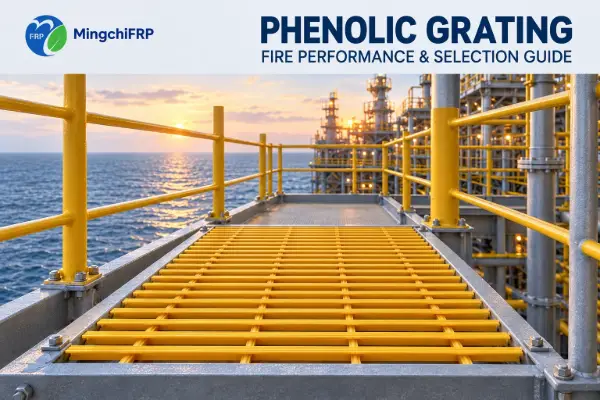
FRP grating cost depends on more than the panel area. Grating type, resin, thickness, mesh, surface, fabrication and delivery terms can all change the final price.
For example, two wastewater platform quotations may cover the same floor area but have very different scopes. One may include standard panels only, while the other includes factory-cut pipe openings, installation clips and export packaging. Buyers must compare the complete specification—not just the price per square meter.
How Is FRP Grating Priced?
Suppliers may quote fiberglass grating by panel, square foot or square meter.
A panel price is only useful when its length and width are clearly stated. To compare panels of different sizes, convert them to the same area unit:
Area price = Panel price ÷ Panel area
However, the lowest area price does not always produce the lowest project cost. Fabrication, waste, accessories and delivery can change the final amount.
Factory Price vs Delivered Price
A quotation should clearly state its Incoterm:
- EXW: Goods are collected from the factory.
- FOB: The supplier delivers the goods to the named port and loads them for export.
- CIF: The price includes freight and insurance to the named destination port.
- DDP: The seller delivers to the named destination under the agreed terms.
The responsibilities behind each Incoterm should be confirmed in the contract. A low EXW price cannot be compared directly with a delivered quotation.
What Affects FRP Grating Cost?
1. Molded or Pultruded Construction
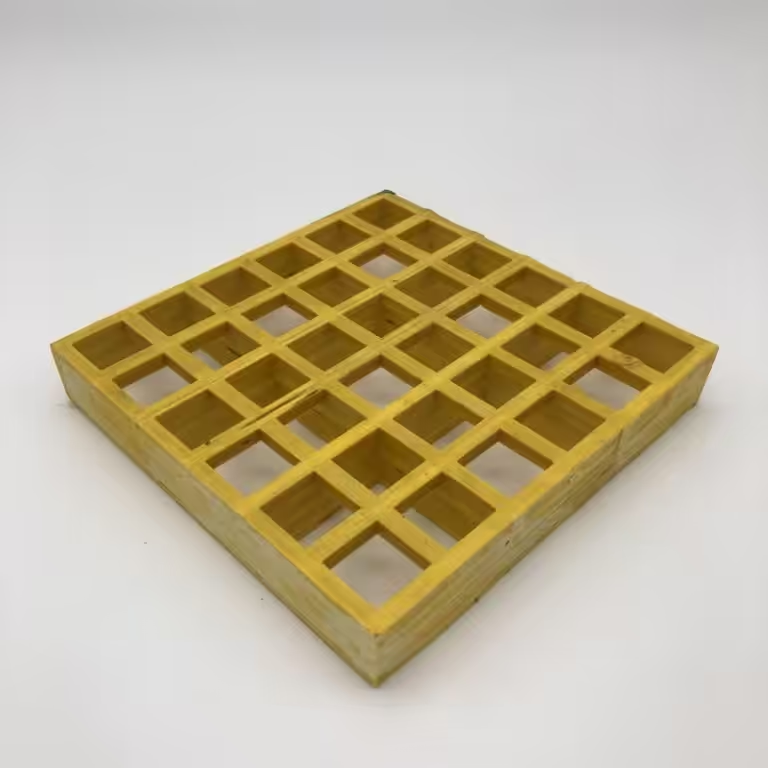
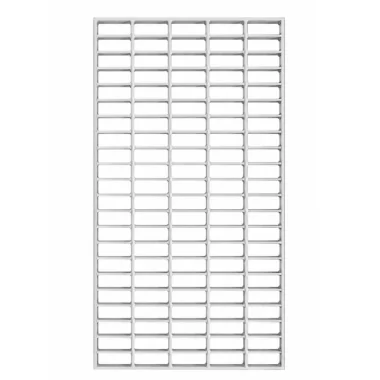
Molded FRP grating is produced as an integrated grid panel. It offers multidirectional load distribution and is useful for complex layouts with several cutouts.
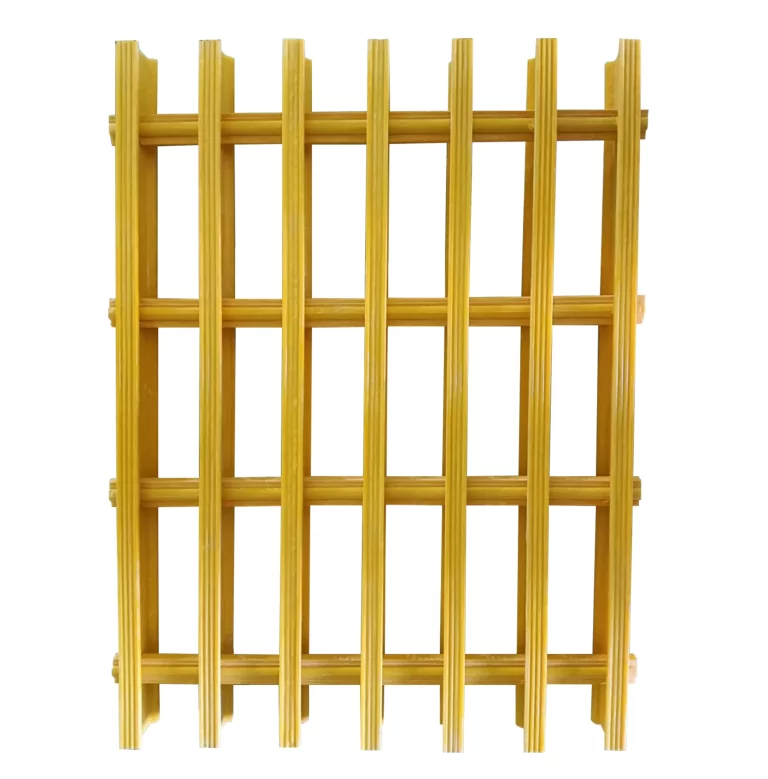
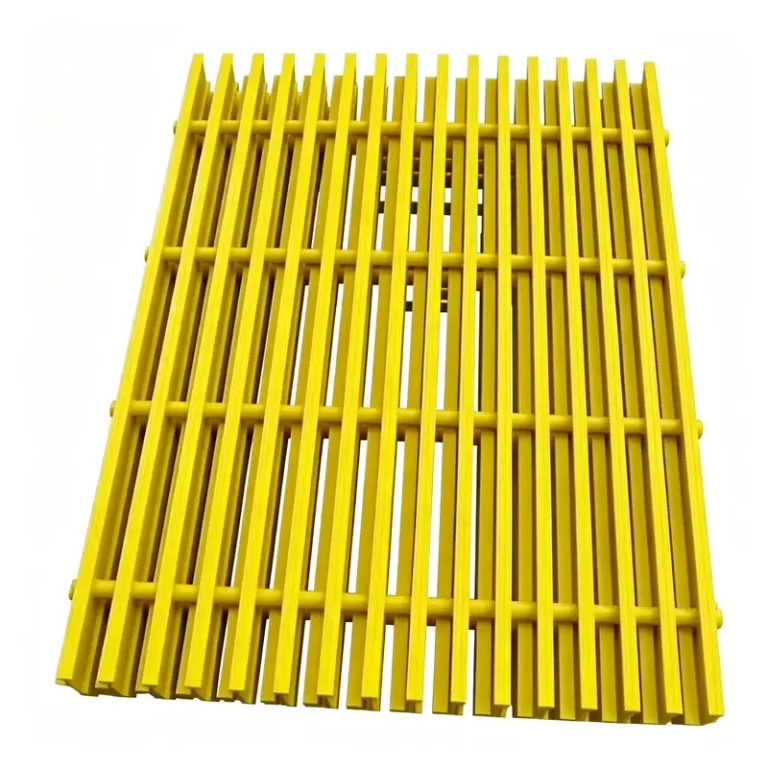
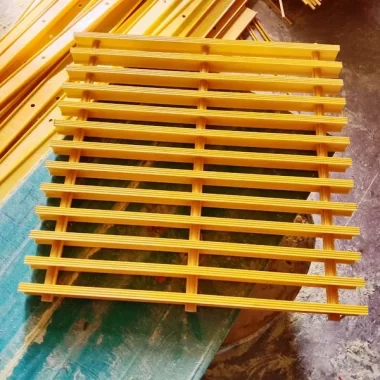
Pultruded FRP grating uses directional bearing bars joined by cross members. It is commonly selected when greater stiffness or longer spans are required in the bearing-bar direction.
Pultruded grating often has a different pricing structure from molded grating, but neither type is always cheaper. Bar depth, spacing, resin, panel size and order quantity must all be considered.
2. Resin System
The resin protects the glass reinforcement and influences chemical, temperature and fire performance.
Common systems include:
- Polyester
- Vinyl ester
- Phenolic resin
A higher-priced resin is not automatically the best choice. The resin should match the chemicals, concentration, temperature and required fire performance of the project.
Requesting a resin system that exceeds the application requirements may increase cost without providing a practical benefit. Choosing an unsuitable resin can result in much greater replacement costs.
3. Thickness, Load and Support Span
Deeper grating generally contains more material, but thickness should not be selected by price alone.
The correct depth depends on:
- Uniform or concentrated load
- Clear support span
- Allowable deflection
- Traffic type
- Support arrangement
- Grating construction
A lower-priced panel may require additional support beams, while a more suitable panel may work with the existing structure. Review the FRP grating load capacity guide before comparing quotations.
The price difference between two depths is not necessarily proportional to their thickness. It depends on the exact product series and production method.
4. Mesh Size
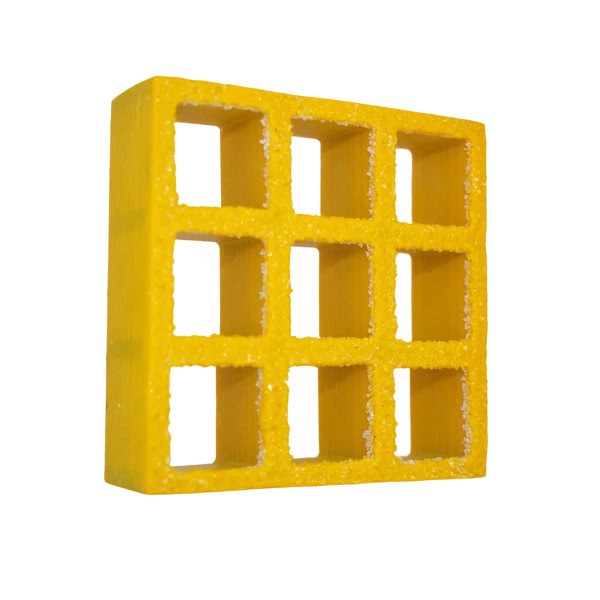
Standard, mini and micro mesh contain different grid arrangements and opening sizes.
Smaller openings may be required for:
- Pedestrian comfort
- Small-wheeled equipment
- Reduced risk of dropped objects
- Specific project-access requirements
- Certain stair and platform layouts
A denser mesh may affect material use and manufacturing cost. Buyers should compare the actual opening, bar dimensions and panel depth rather than relying only on names such as “mini mesh.”
5. Surface Finish
Common FRP grating surfaces include:
- Concave
- Gritted
- Smooth
- Covered or solid top
A gritted surface may be selected for wet or oily areas. Covered grating adds a solid surface where open drainage is not wanted.
Surface selection should follow the application. Adding an unnecessary finish increases cost, while choosing an unsuitable surface may create safety or maintenance problems.
6. Panel Size and Layout
Standard panel sizes may offer better production efficiency, but they do not always give the best installed cost.
Suppose a platform includes several tanks, pipes and irregular corners. Large standard panels may leave many unusable offcuts. Factory-cut panels may have a higher quoted price but reduce site cutting and material waste.
Compare both:
- Purchased area: The total area of panels ordered
- Usable installed area: The area that remains after cutting and fitting
A panel layout drawing helps the supplier recommend efficient sizes and cutting plans.
7. Custom Fabrication
Fabrication may include:
- Straight cutting
- Curved cuts
- Pipe openings
- Equipment cutouts
- Notches
- Stair-tread preparation
- Edge finishing
- Identification marks
Some quotations include basic cutting, while others list it separately. Confirm the number and complexity of cuts before comparing prices.
Factory fabrication can also reduce site work, but its value depends on the accuracy of the project drawings.
8. Order Quantity
Quantity can affect:
- Production planning
- Raw-material purchasing
- Setup efficiency
- Packaging
- Container utilization
- Unit freight cost
A larger order may improve production or shipping efficiency, but there is no universal bulk-discount percentage. The actual price depends on the specification and order conditions.
Molded vs Pultruded FRP Grating Cost
| Cost consideration | Molded grating | Pultruded grating |
|---|---|---|
| Construction | Integrated molded grid | Directional bearing bars |
| Selection focus | Complex cuts and multidirectional support | Directional stiffness and longer spans |
| Main price factors | Depth, mesh, resin and panel size | Bar depth, spacing, resin and panel size |
| Cost conclusion | Depends on specification | Depends on specification |
If you are still selecting the construction, review our molded vs pultruded FRP grating comparison.
FRP Grating Cost vs Steel Grating
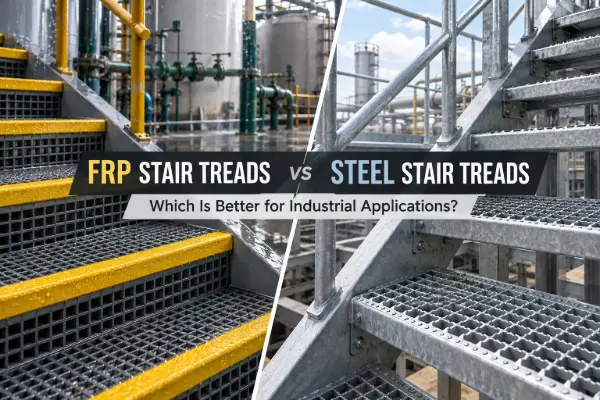
Steel may have a lower initial material price in some markets and specifications. FRP may offer lower maintenance requirements in corrosive environments because it does not rust like carbon steel.
A fair comparison should include:
- Material purchase
- Freight and handling
- Support structure
- Cutting and installation
- Protective coatings
- Inspection and maintenance
- Repairs and replacement
- Operational downtime
There is no universal percentage showing that FRP always costs less over its service life. The result depends on the environment, product specification, labor rates and maintenance plan.
You can review common environments and project requirements on our FRP grating applications page.
Frequently Asked Questions
How much does FRP grating cost per square foot?
There is no reliable universal rate. The price depends on the grating type, resin, depth, mesh, surface, quantity, fabrication and delivery location.
Is molded FRP grating cheaper than pultruded grating?
Molded grating may have a lower price in some common specifications, but this is not a fixed rule. Compare products designed for the same load, span and operating conditions.
Does thicker grating cost more?
Deeper grating generally uses more material, but pricing is not always linear. Select the depth from the load table before comparing cost.
Does mini-mesh grating cost more?
Its denser construction can affect the price. The actual difference depends on the depth, resin, panel size and manufacturer.
Is FRP grating cheaper than steel?
The initial material price depends on the market and specification. For a complete comparison, include installation, corrosion protection, maintenance and replacement.
Are cutting and clips included in the price?
Not always. Ask the supplier to list panels, fabrication, clips, packaging and freight separately.
Conclusion
FRP grating cost cannot be judged by the panel price alone. Grating type, resin, depth, mesh, surface, fabrication, accessories and freight all affect the final project cost. Compare quotations using the same specification, area, delivery terms and scope.
Mingchi FRP manufactures molded and pultruded FRP grating for industrial platforms, wastewater facilities, chemical plants, marine structures and infrastructure projects. Send us your load, span, panel layout, operating environment, quantity and delivery destination for a project-specific grating recommendation and quotation.